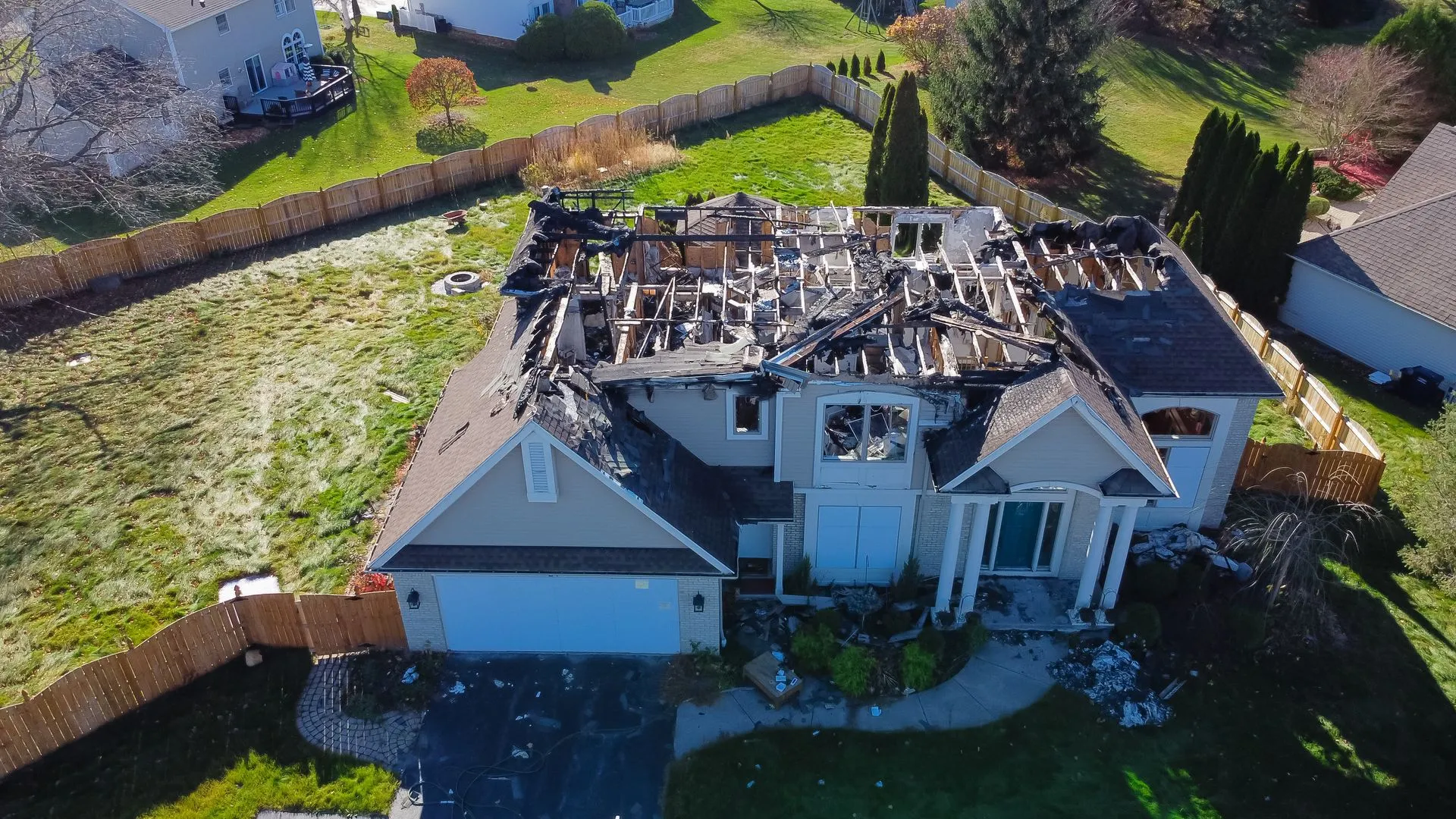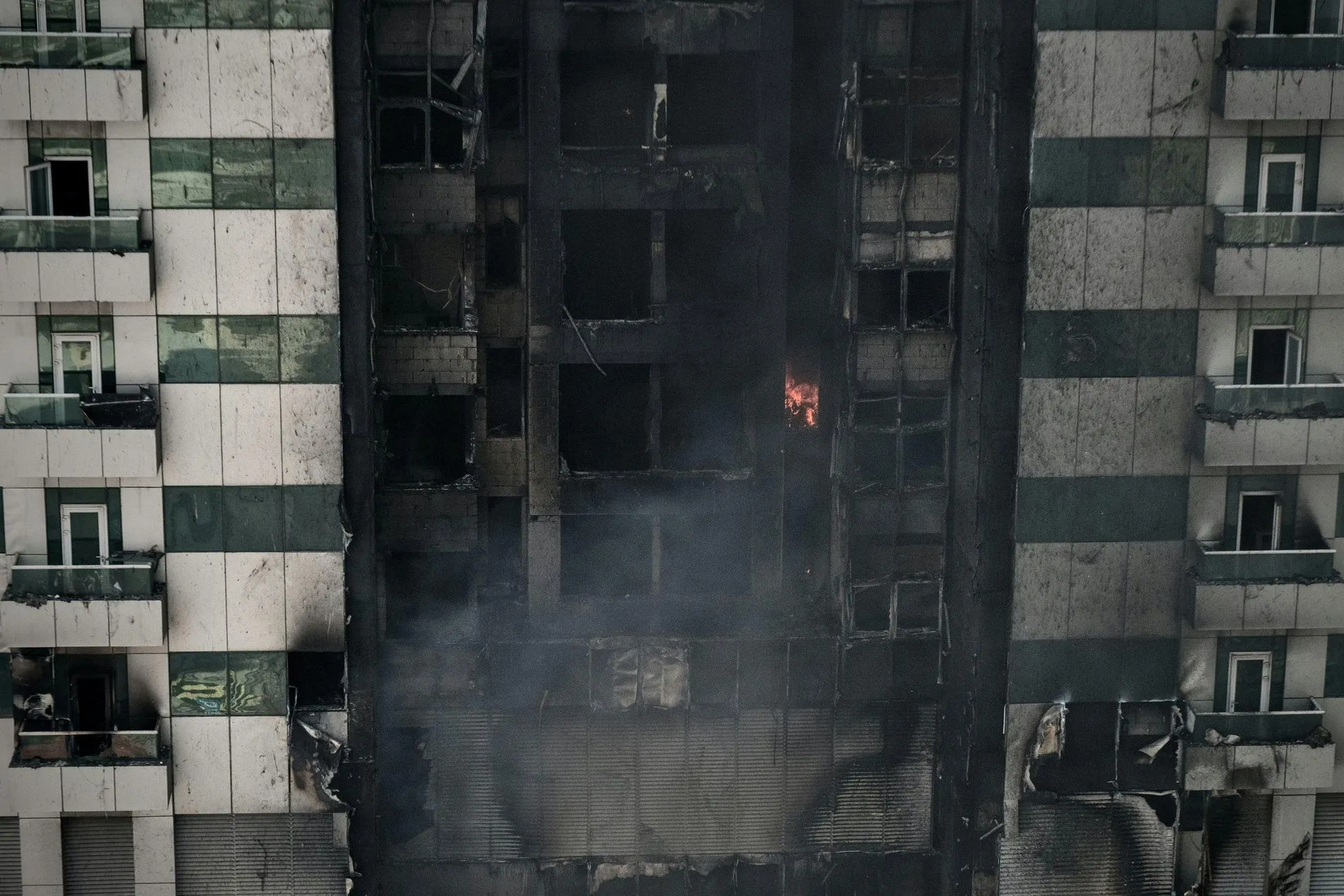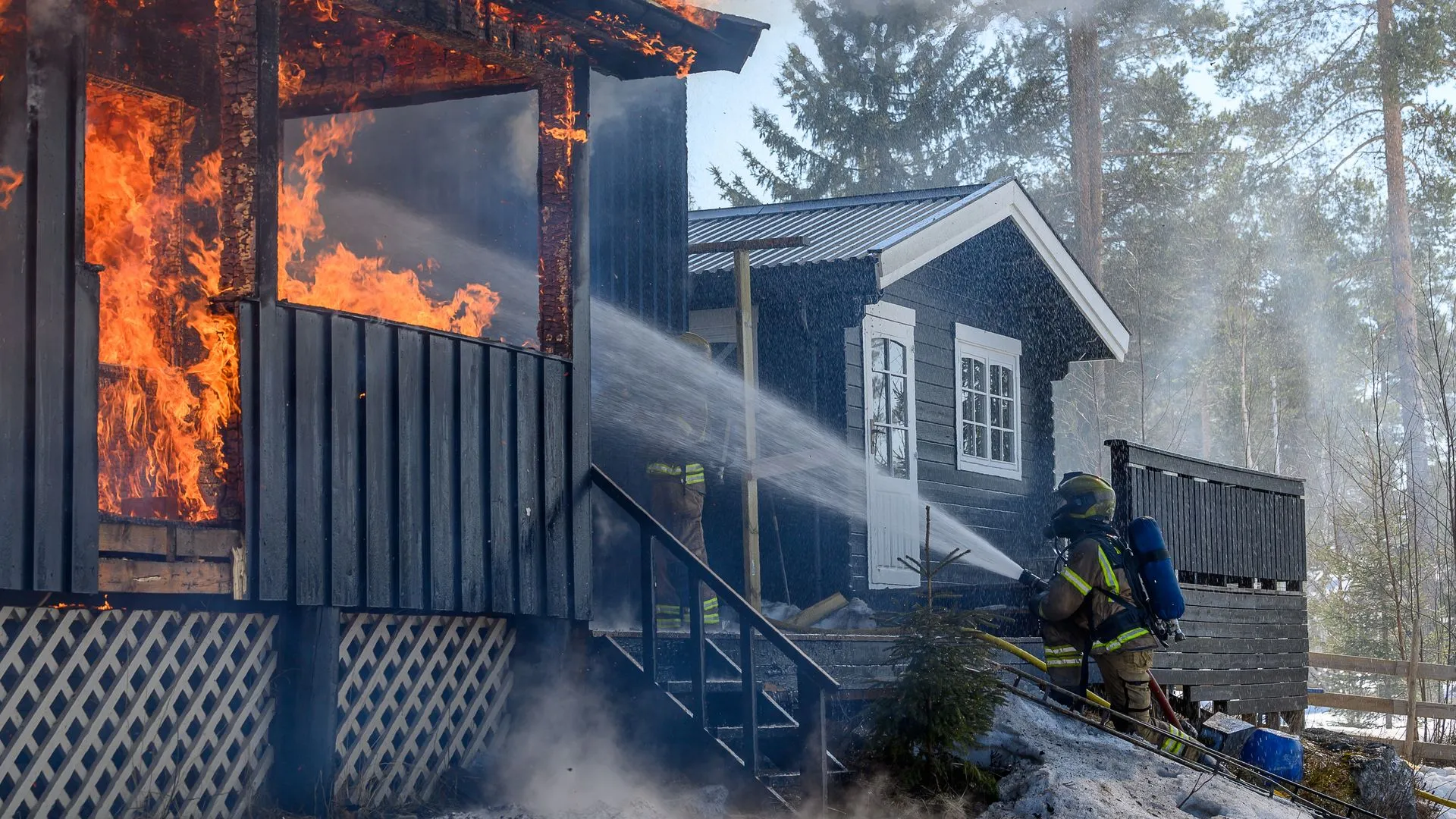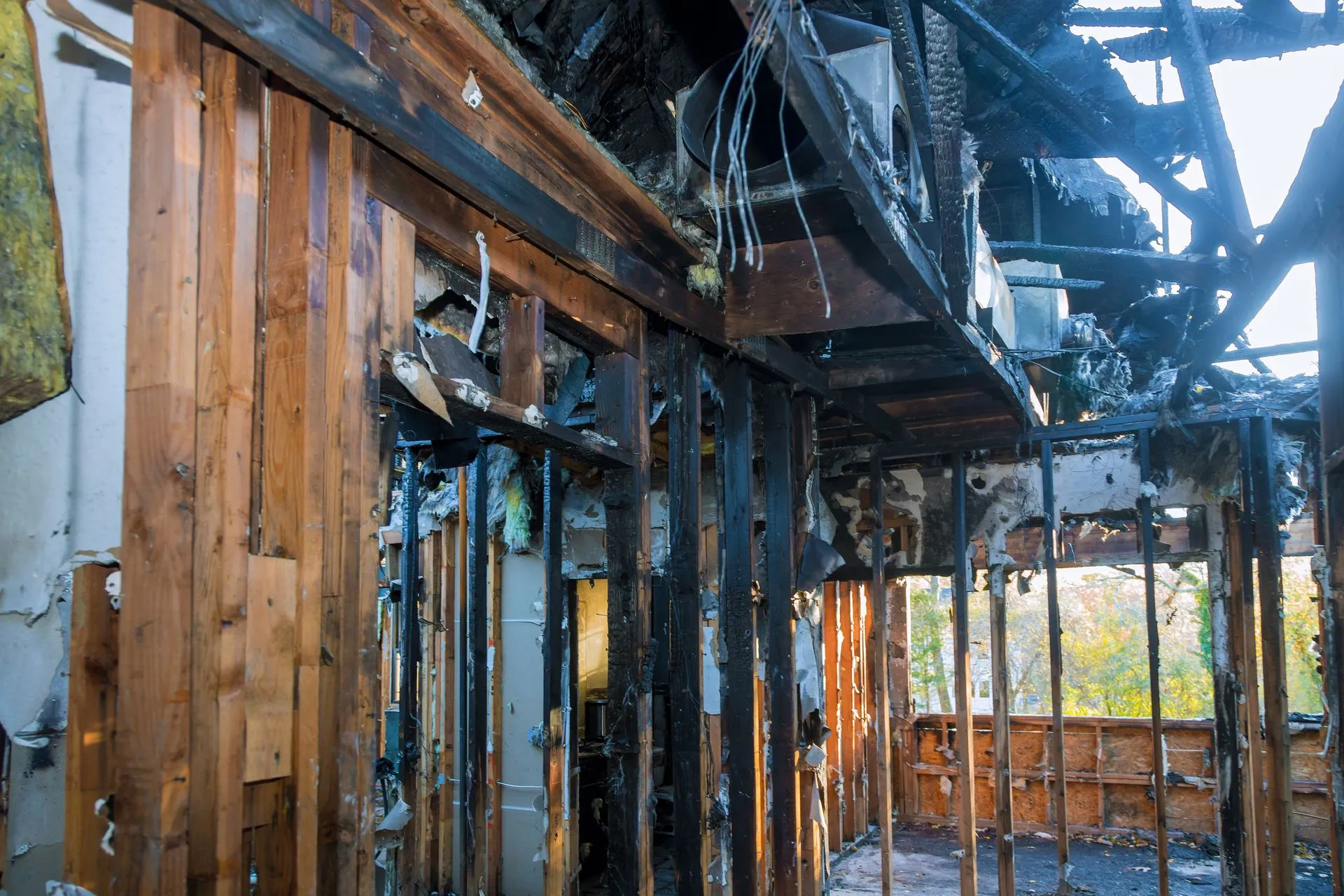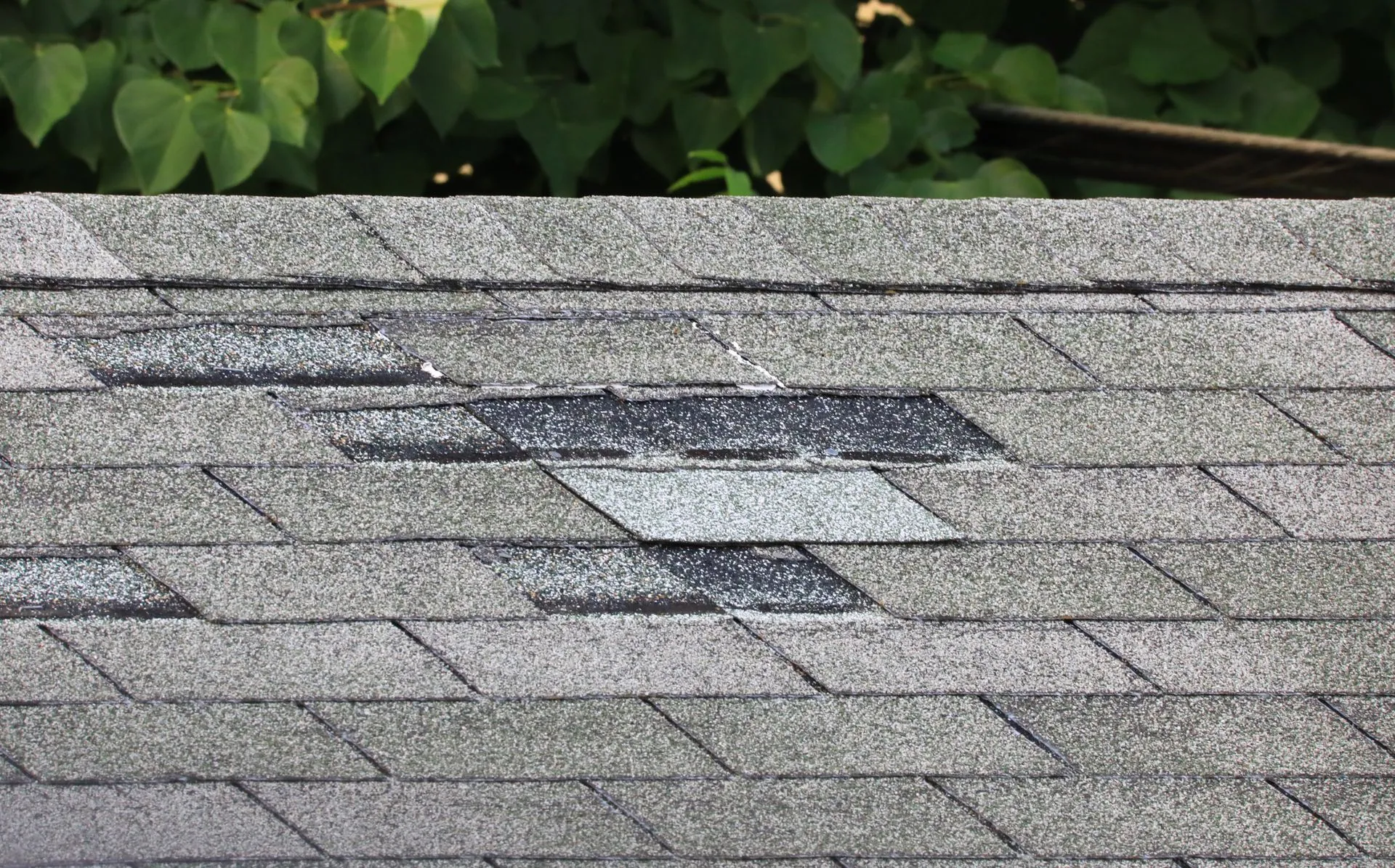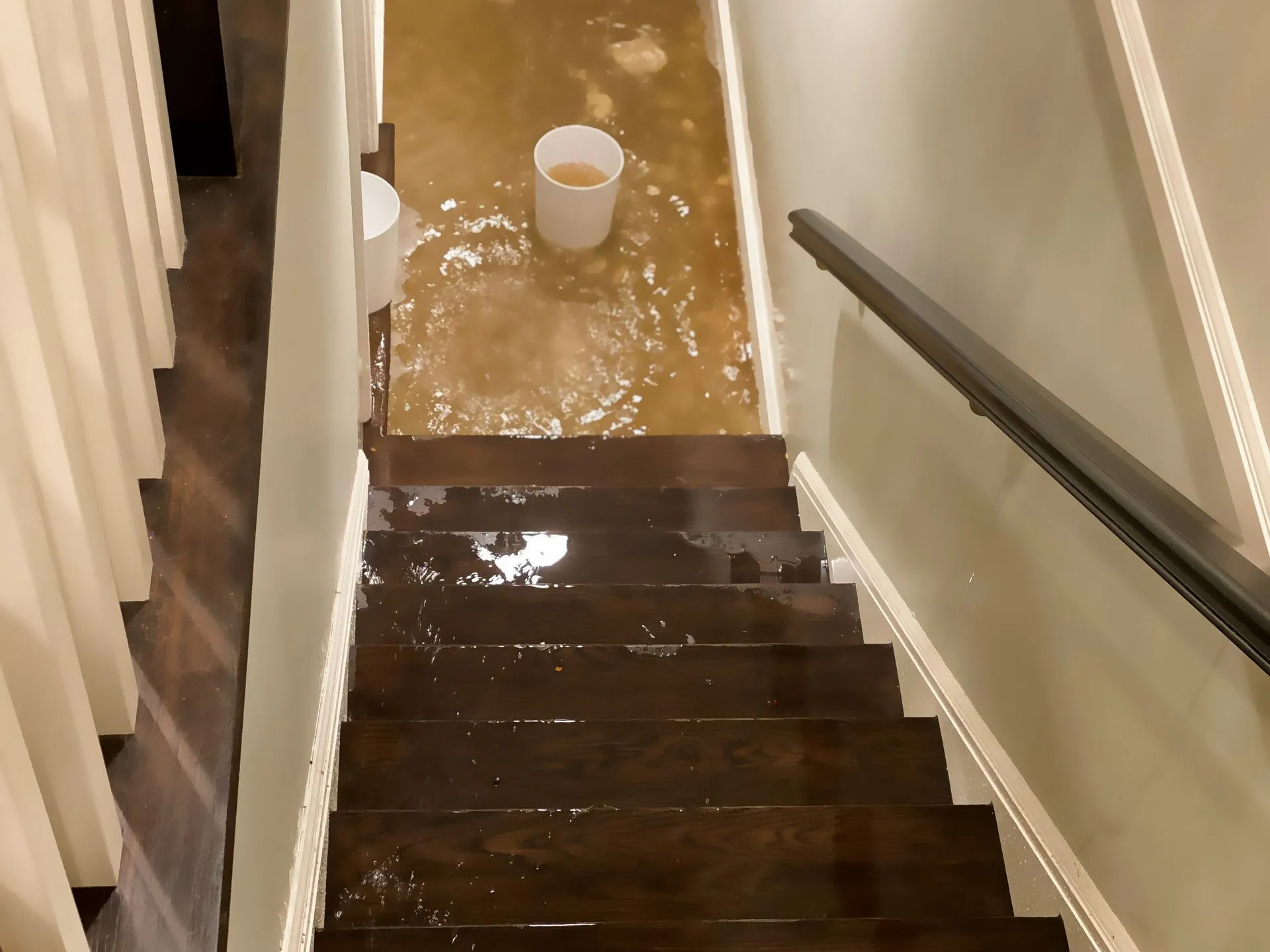

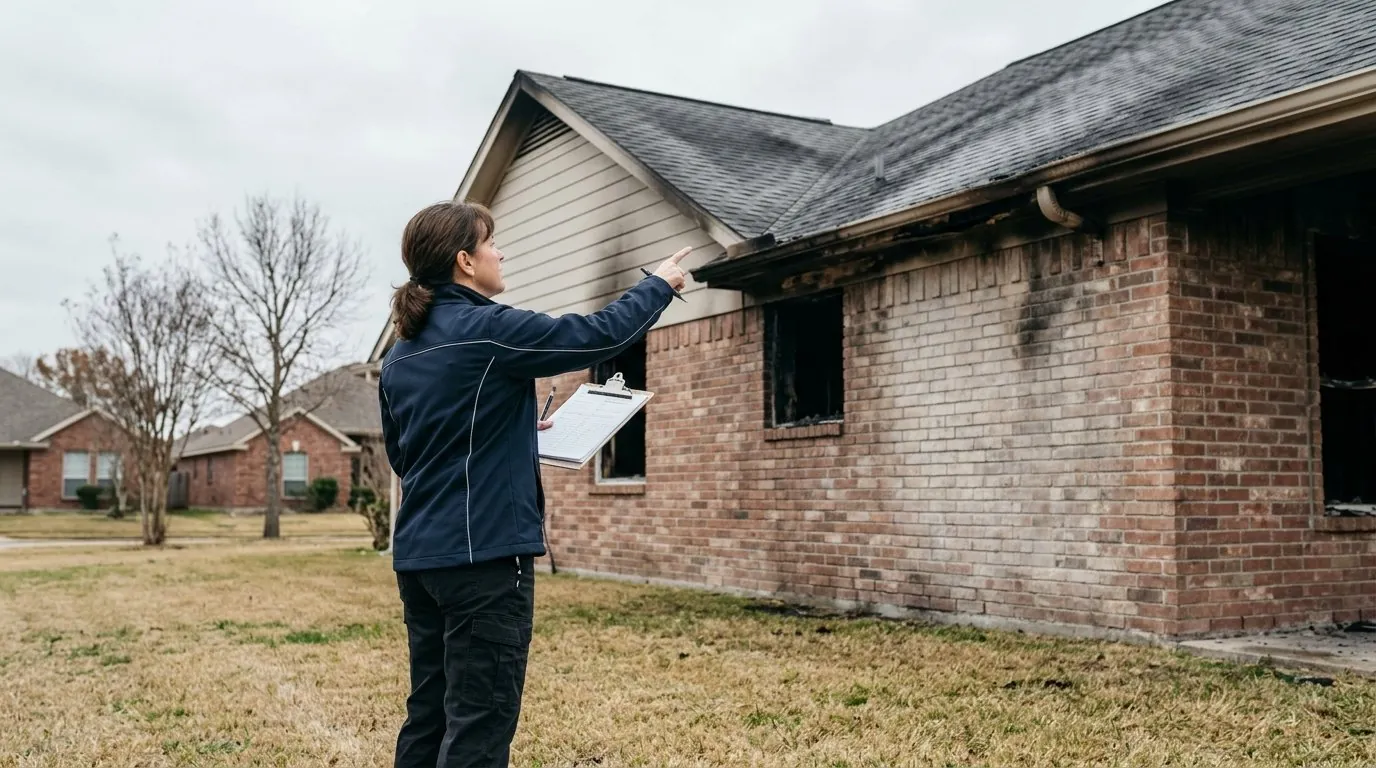
A house fire can be contained in minutes, but the damage keeps spreading long after the flames are out. Soot, smoke residue, and water from firefighting efforts often cause more financial harm than the fire itself. Insurance companies don't always account for that properly. You may be filing one of the fire and smoke damage claims that follow a residential or commercial fire. This often happens in Houston, TX. Knowing what to document can mean the difference between a fair settlement and a frustrating shortfall.
Why Smoke Damage Is Easy to Underestimate
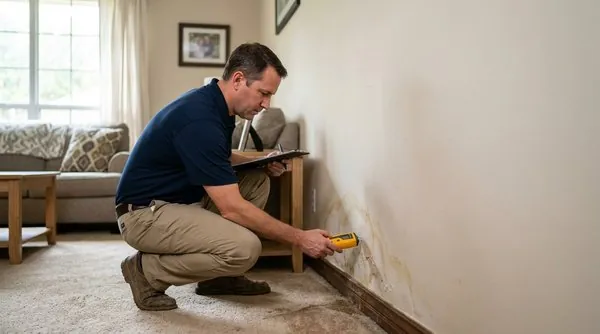
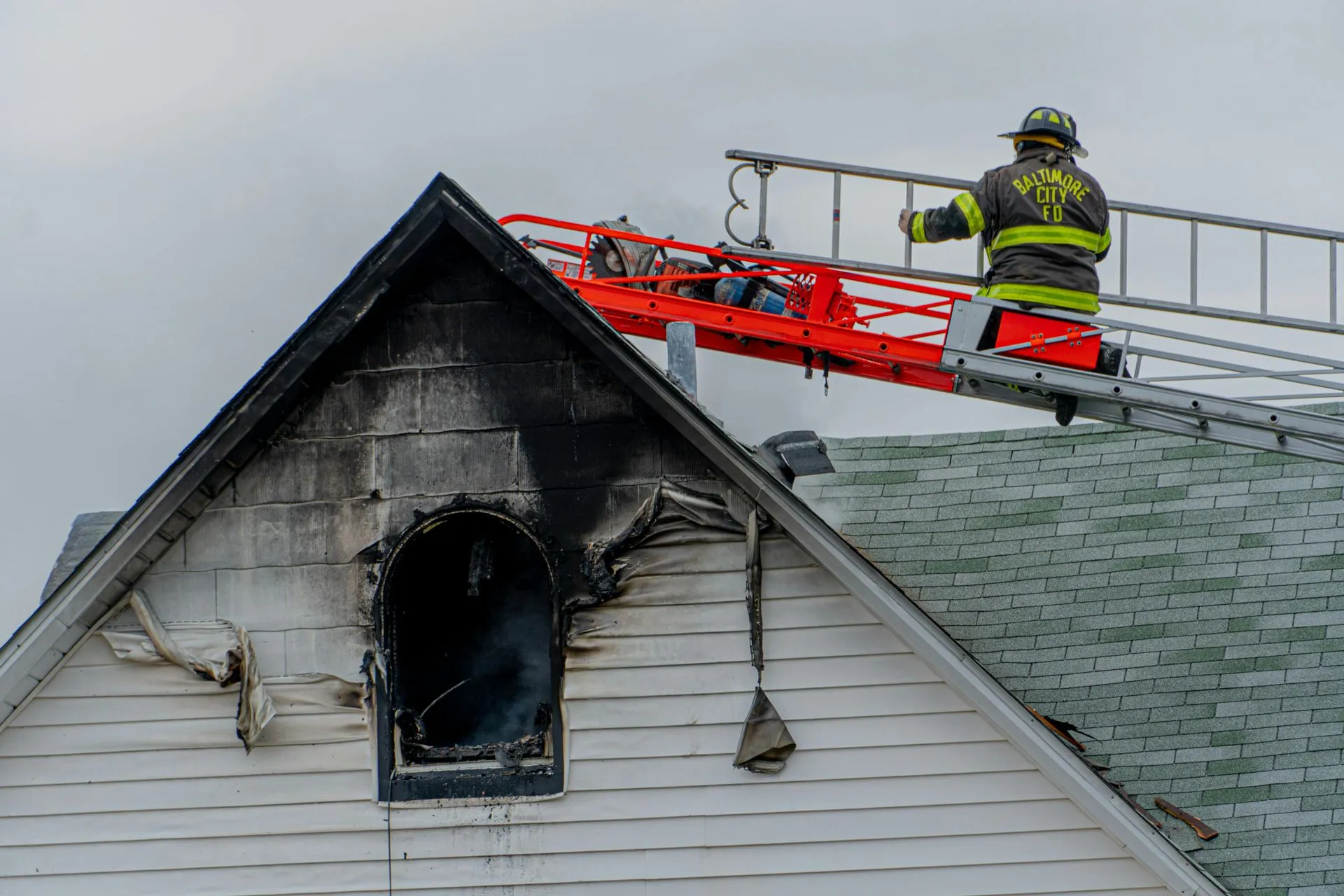
Fire investigators see the burned structure. Insurance adjusters often focus on what's visibly charred and move on quickly. Smoke, however, travels through HVAC systems, settles into drywall, and embeds in fabrics far from the actual flame source.
This creates a gap between what carriers initially offer and what full remediation actually costs. Odor removal, duct cleaning, and replacing porous materials that absorbed smoke particles add up fast. Many homeowners don't realize the true scope of loss until weeks after the initial inspection.
The Claim Denial Problem Hits Fire and Smoke Damage Claims Too
Property insurance claims across Texas close without any payout at a troubling rate. Industry data shows roughly 42% to 47% of homeowner claims ending that way. Fire claims aren't immune to this pattern. Carriers sometimes argue that smoke staining is cosmetic, that pre-existing wiring issues caused the fire, or that certain rooms show no "covered" damage.
These arguments can be technically accurate in isolated spots while ignoring the bigger picture. A kitchen fire in The Woodlands or Kingwood might scorch one wall but send smoke through every vent in the house. Without a thorough independent inspection, that broader damage often goes undocumented and unpaid.
Rebuild Costs Rarely Match Carrier Estimates
Texas construction and materials costs have climbed sharply in recent years, and that trend hasn't reversed. Many homes and commercial buildings across the area are underinsured relative to true rebuild expenses. When a fire destroys a kitchen, a roofline, or an entire structure, the carrier's internal estimate frequently falls short of what local contractors actually charge.
This gap becomes painfully clear during reconstruction. Property owners get quotes from Houston-area contractors that exceed the insurance payout by a wide margin. A public adjuster works to align the claim estimate with real regional labor and material pricing, not outdated carrier formulas.
Fall and Winter Fire Risks Across the Region
November brings cooler evenings to Houston Heights, River Oaks, and surrounding communities, which means more space heaters, more fireplace use, and more holiday cooking. Thanksgiving kitchen fires spike every year as ovens run longer and stovetops stay busy. Electrical overloads from seasonal lighting also contribute to fire claims this time of year.
Common fire triggers worth watching for this season include:
- Space heaters placed too close to furniture or curtains
- Unattended stovetops during holiday meal prep
- Overloaded extension cords for seasonal lighting
- Dry fireplace chimneys that haven't been inspected
- Faulty wiring in older homes throughout Piney Point Village and Hedwig Village
What to Do Immediately After a Fire
The first 48 hours shape how the rest of the claim unfolds.
Acting methodically protects both your family's safety and your financial recovery.
- Contact the fire department and get an official incident report.
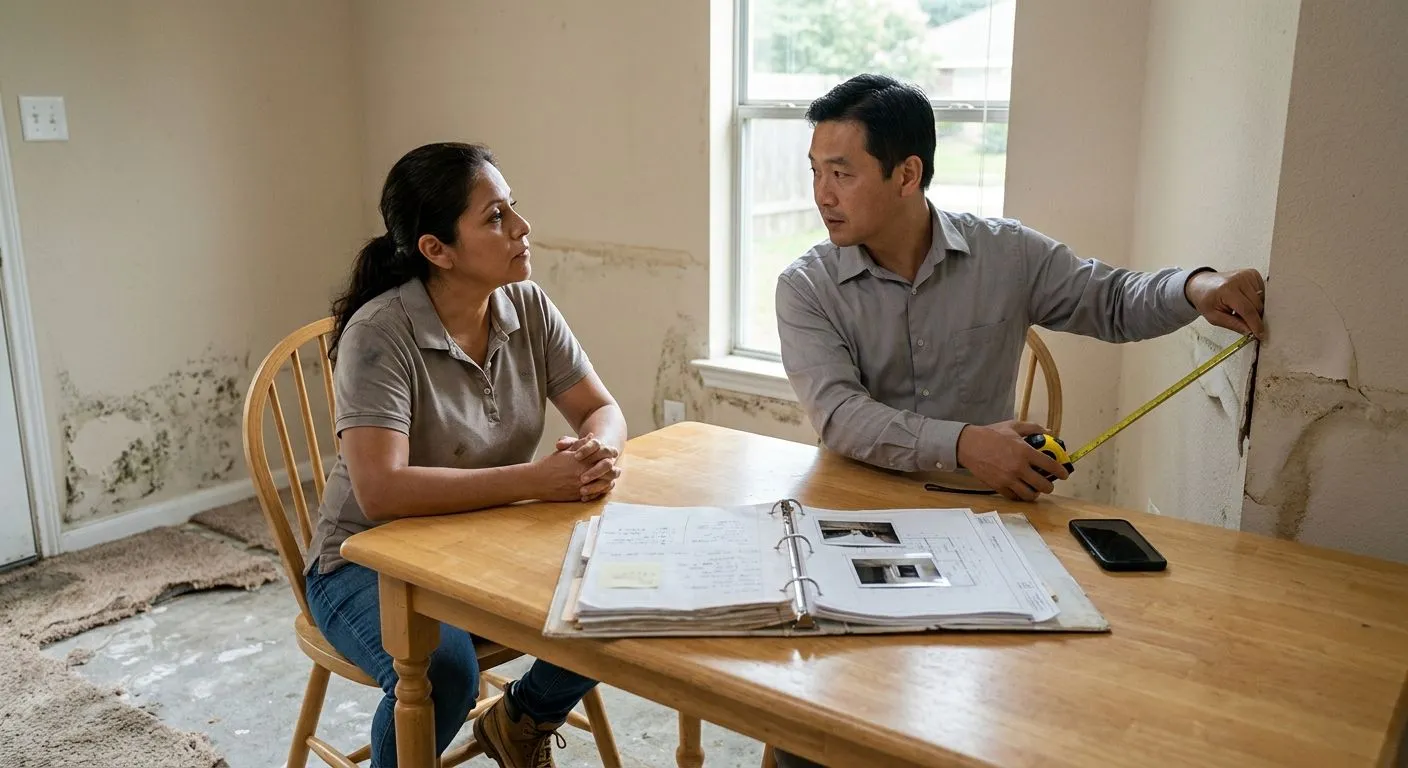
- Photograph every room, including areas with smoke staining but no visible flame.
- Avoid cleaning or discarding damaged items before documentation is complete.
- Secure the property against weather and further loss.
- Request a copy of your policy declarations page before speaking with the carrier.
How a Public Adjuster Strengthens Your Claim
Insurance carriers assign adjusters who work for them, not for you. That's a structural conflict most policyholders don't fully grasp until they're staring at a lowball offer. A licensed public adjuster inspects the property independently. They document smoke penetration beyond the obvious burn zone and build a damage report that reflects actual restoration costs.
Clients working with Nuclaim, Inc. Public Adjusters often mention the value of clear guidance. They explain each stage of the process, especially after a claim has been denied or underpaid. Fire and smoke damage claims involve layers of hidden loss that carriers routinely miss, from HVAC contamination to structural moisture from firefighting water. Having an advocate who understands both the technical and financial sides of a loss changes the outcome.
Frequently Asked Questions
Does homeowners insurance cover smoke damage even if there was no fire in that room?
Yes, most standard policies cover smoke damage that spreads from a fire elsewhere in the home. Carriers sometimes dispute the extent of coverage room by room.
How long does a fire damage claim typically take to resolve?
Timelines vary based on the size of the loss and how quickly documentation is gathered. Thorough independent inspections early in the process tend to speed up fair resolution.
What if my fire claim was already denied?
A denial isn't necessarily final. Reviewing the carrier's stated reasons alongside an independent damage assessment often reveals grounds to reopen or appeal the claim.
Can I file a claim for smoke damage to personal belongings?
Yes, smoke-damaged furniture, electronics, and clothing are typically covered under personal property provisions, provided the loss is properly documented and itemized.
If your home or business has suffered fire or smoke damage, don't settle for a carrier's first offer without a second opinion. Reach out to Nuclaim, Inc. Public Adjusters to discuss your claim and find out what full, fair recovery looks like.