
Conditions does mold thrive and How can you Identify it
Conditions under which Mold Grows
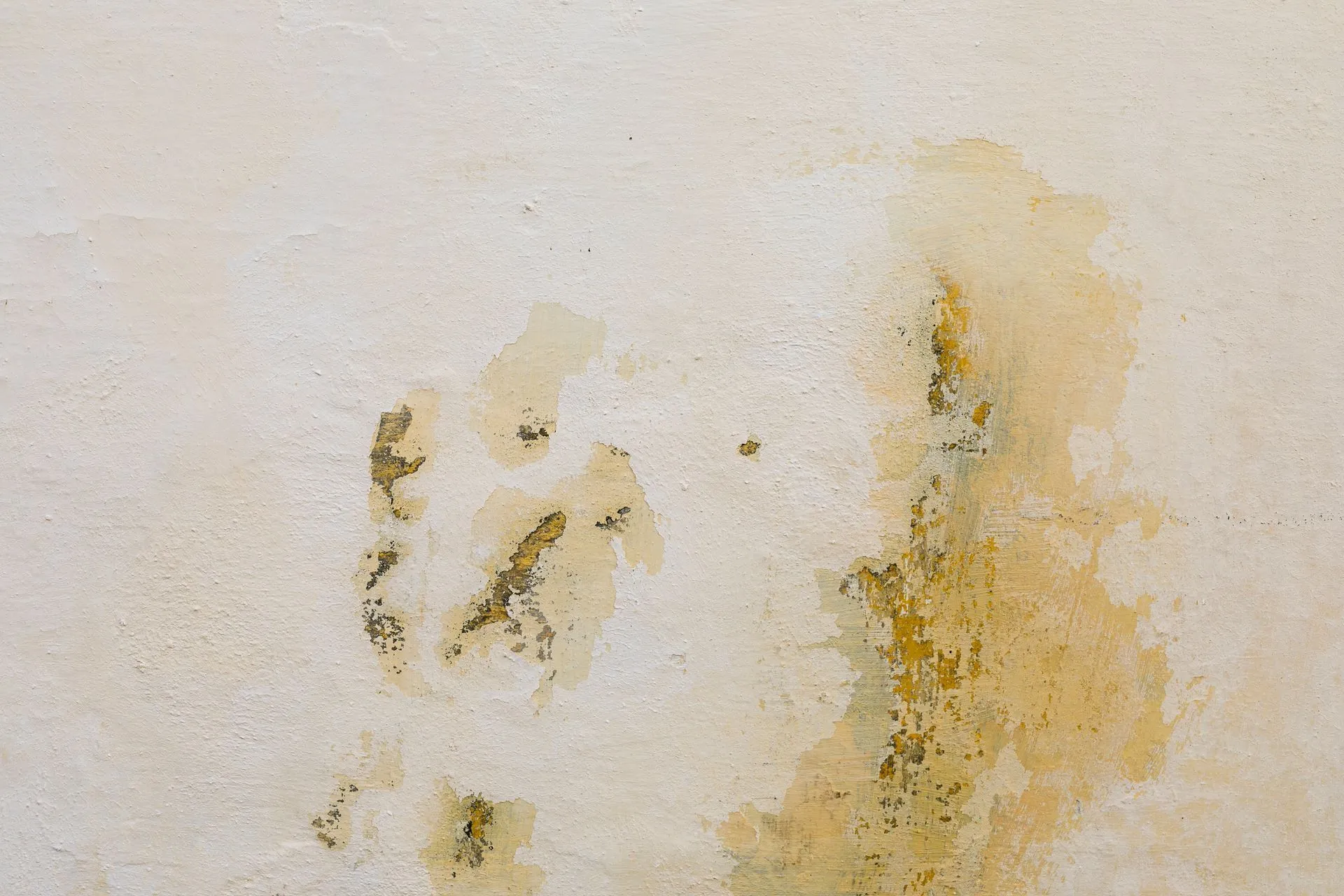
Mold can grow under various conditions within the home, typically favored by the presence of moisture and organic materials. Here are some common conditions that can promote mold growth indoors:
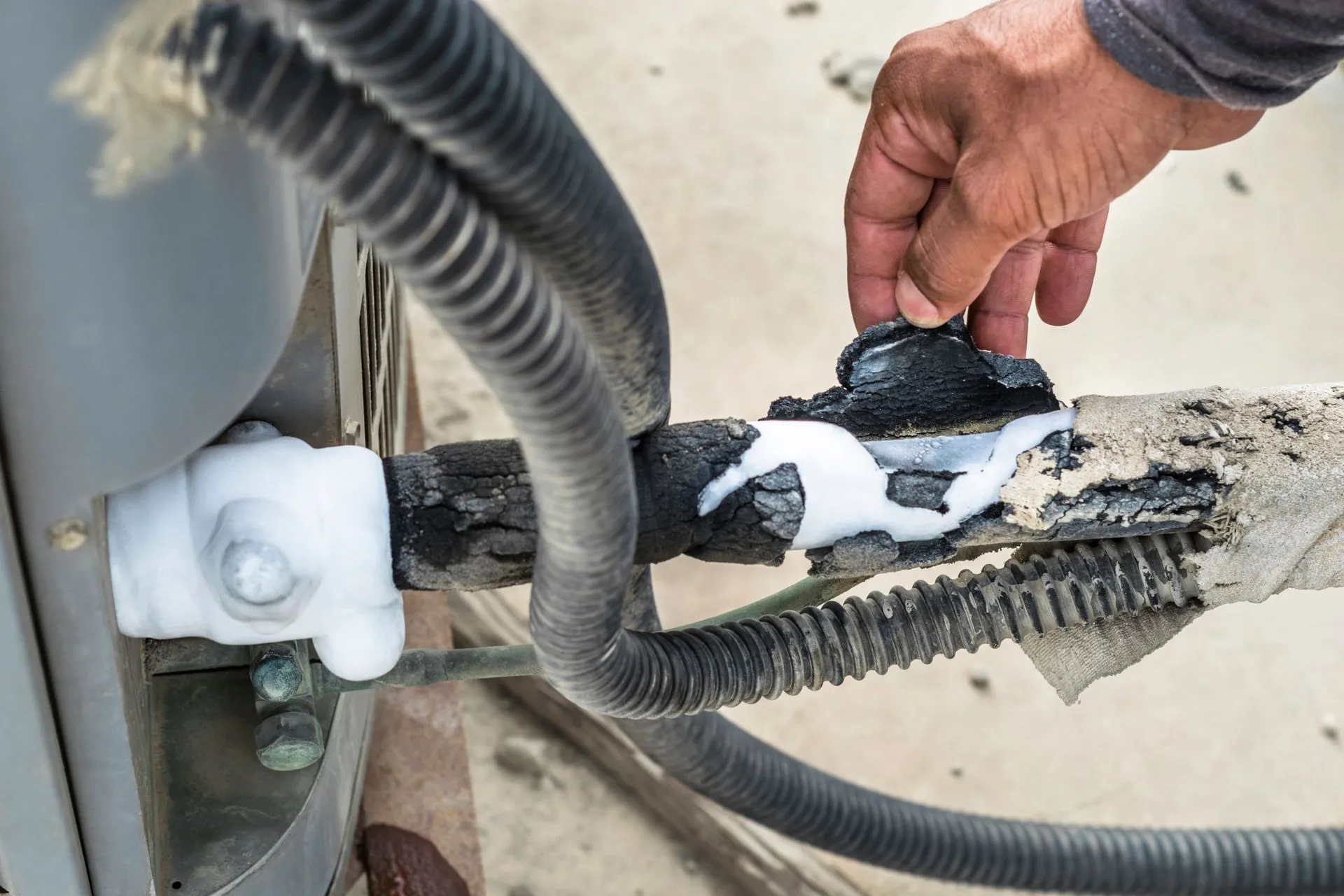
- High humidity: Mold requires moisture to grow. Areas with high relative humidity, such as poorly ventilated bathrooms, kitchens, and basements, are prone to mold growth.
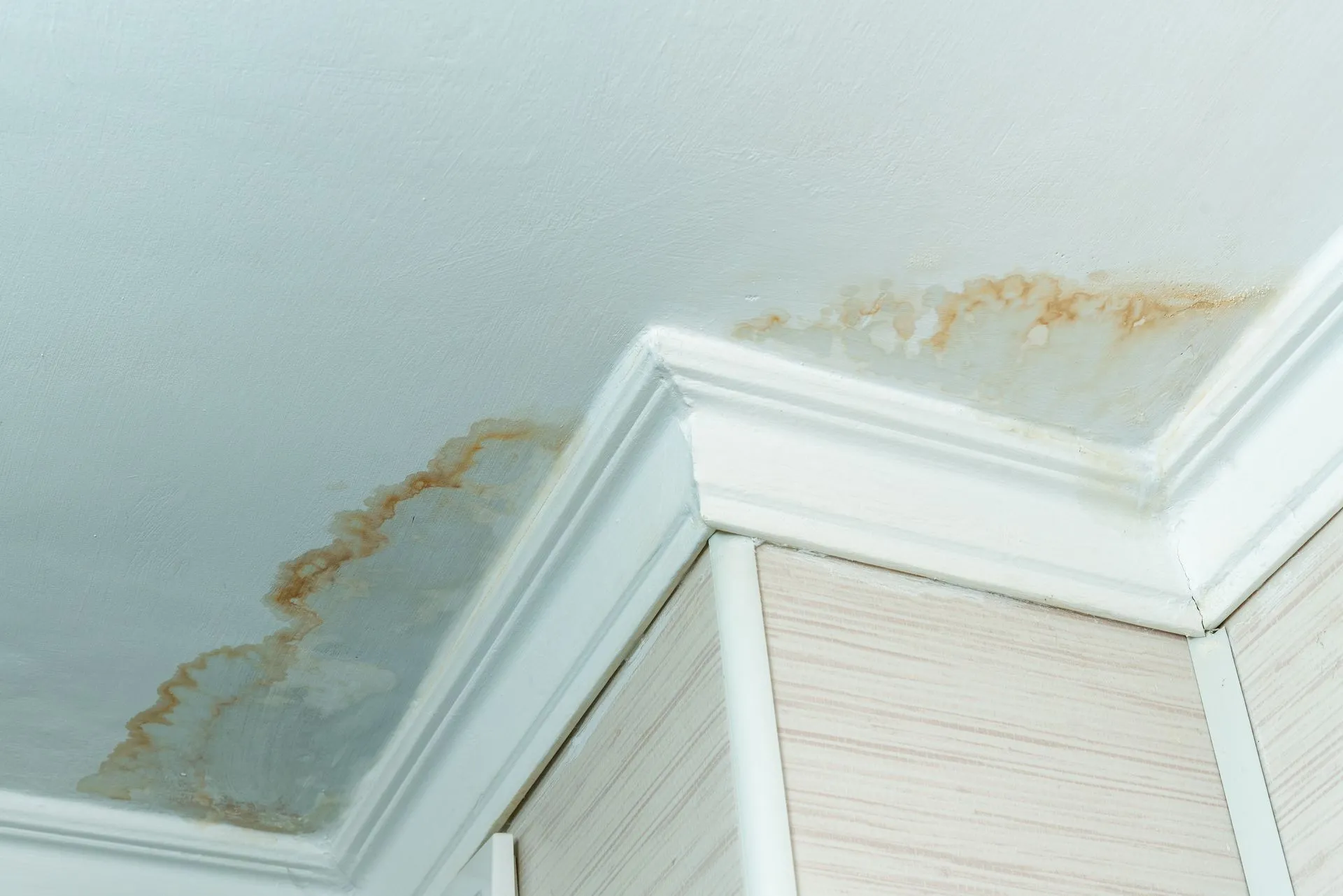
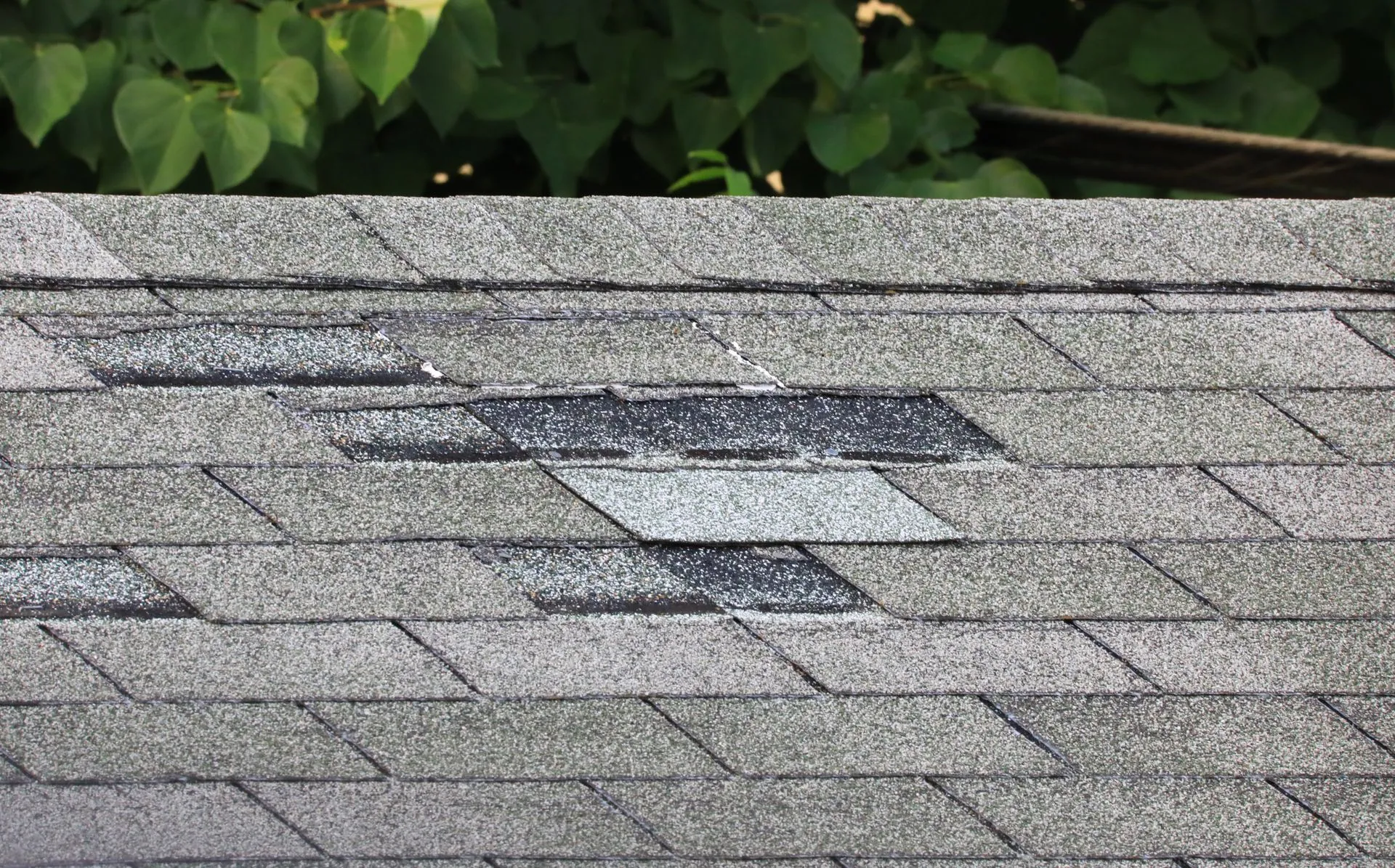
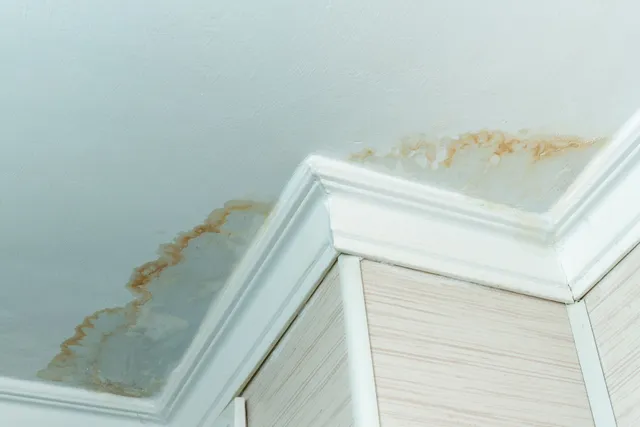
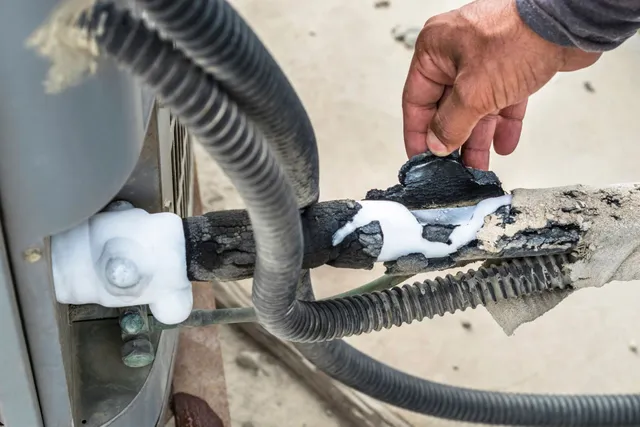
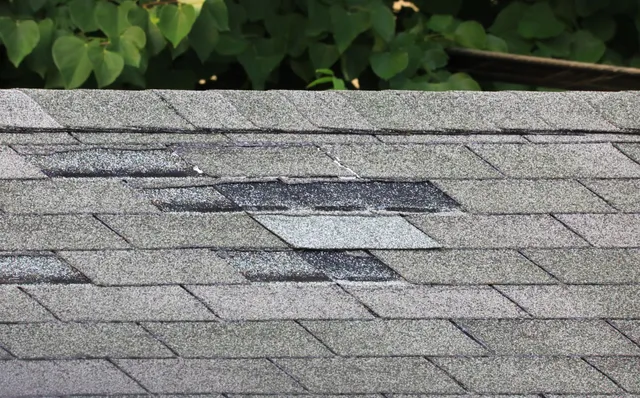
- Water leaks: Leaks in roofs, pipes, faucets, and plumbing systems can create damp areas that encourage mold growth. Areas affected by floods or leaks are also susceptible to mold development if not adequately dried.
- Poor ventilation: Lack of proper ventilation in areas like bathrooms, kitchens, and laundry rooms can lead to moisture buildup and condensation, creating an environment conducive to mold growth.
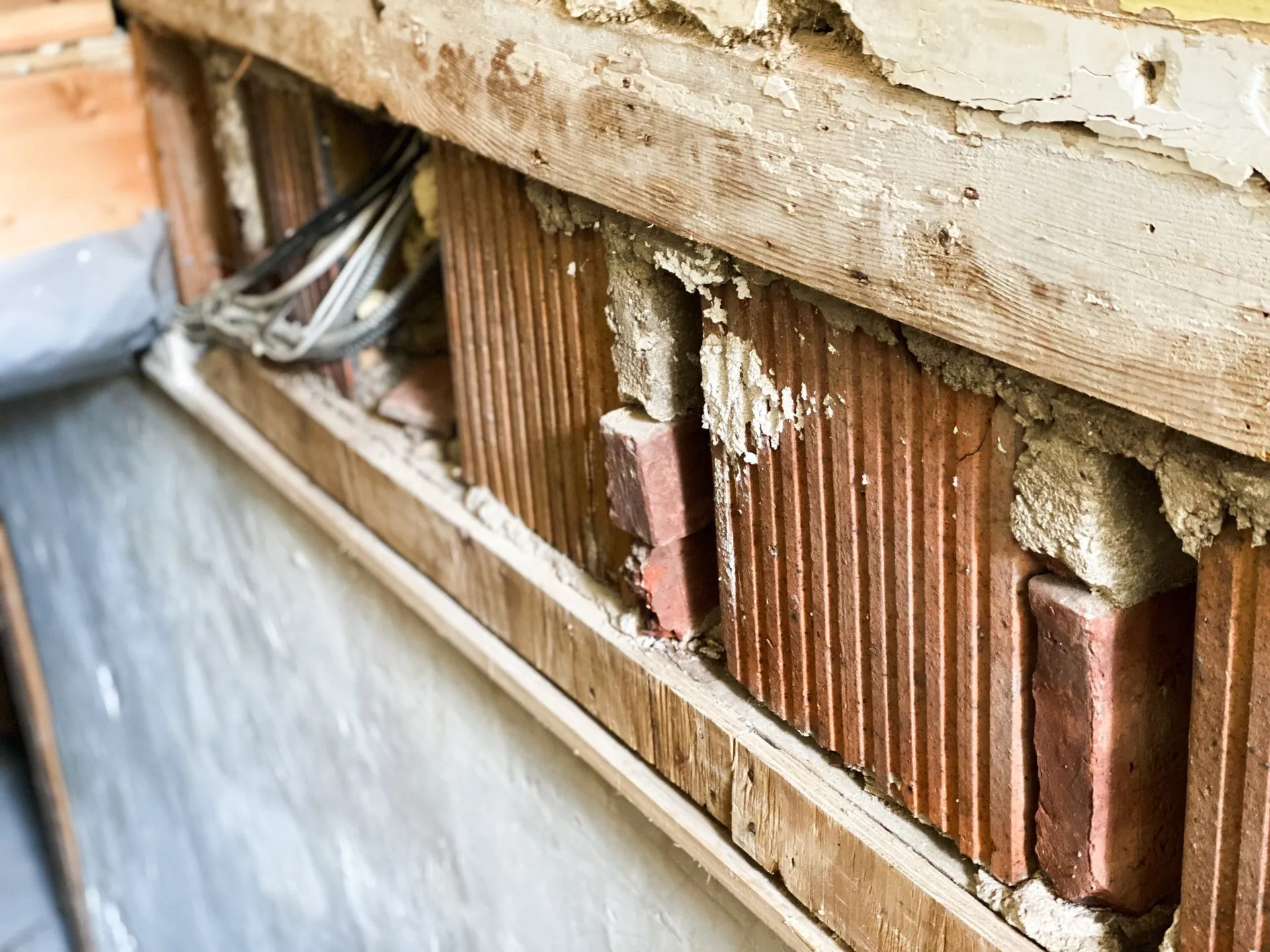
- Organic materials: Mold feeds on organic materials such as wood, paper, cardboard, plaster, and fabrics. If these materials are moist and not dried properly, they provide an ideal substrate for mold growth.
- Moderate temperatures: Although mold can grow in a wide range of temperatures, it tends to thrive in moderate temperature conditions typical of indoor environments.
- Limited sunlight: Lack of direct sunlight in indoor areas can contribute to mold growth, as ultraviolet light from the sun can help prevent its proliferation.
- Airborne contaminants: The presence of airborne pollutants such as dust particles and pollen can provide additional nutrients for mold growth.
It's essential to monitor and maintain these conditions within the home to prevent mold growth. This includes repairing water leaks, improving ventilation, reducing humidity, and maintaining regular cleaning to remove organic matter buildup.
Identifying the most common Types of Mold
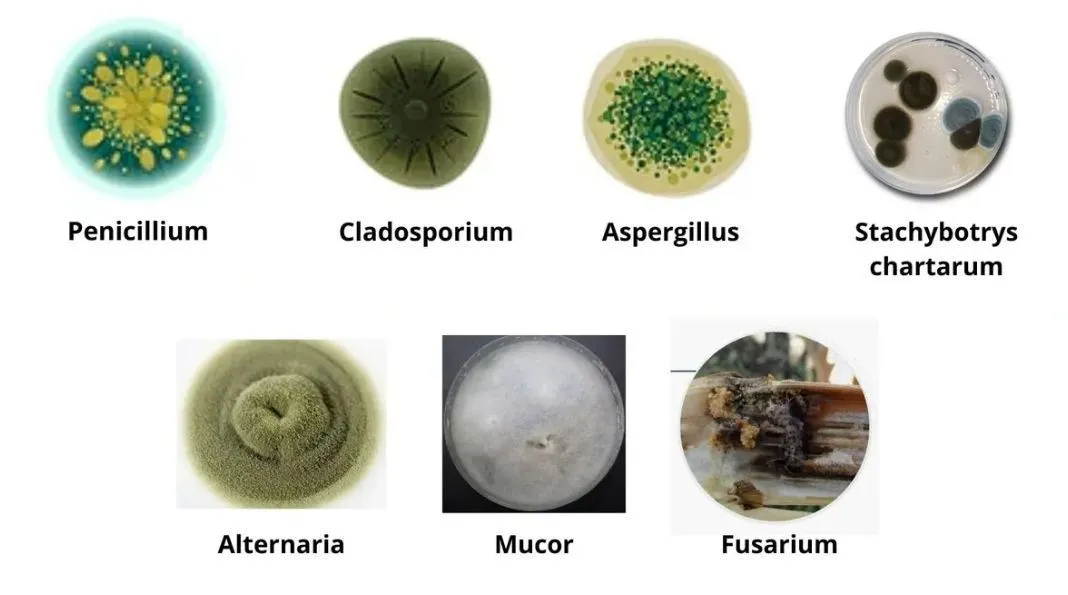
There are several common types of mold that can be found in homes. Some of the most prevalent ones include:
- Cladosporium: This type of mold is often found on surfaces like painted walls, wood, and insulation. It can also grow in carpets and fabrics. Cladosporium mold tends to be olive-green or brown in color.
- Aspergillus: Aspergillus mold is commonly found indoors and outdoors. It can grow on various surfaces, including walls, insulation, and dust. Aspergillus mold comes in various colors, including green, yellow, white, or black.
- Stachybotrys chartarum (Black Mold): Often referred to as black mold, Stachybotrys chartarum can grow on materials with high cellulose content, such as drywall, wood, or paper. It has a distinctive black or dark green appearance and is known for producing mycotoxins that can be harmful to human health.
- Penicillium: Penicillium mold is commonly found on water-damaged materials, such as wallpaper, carpets, and insulation. It can also grow on food items. Penicillium mold appears blue or green and may produce a musty odor.
- Alternaria: Alternaria mold is frequently found in damp areas, such as bathrooms, basements, and kitchens. It can also grow on plants and soil. Alternaria mold is typically dark green or black and has a velvety texture.
- Mucor: Mucor mold thrives in damp and humid environments, such as basements, crawl spaces, and areas affected by water leaks. It appears white or gray and has a cotton-like texture.
- Fusarium: Grows in colder, wetter areas. It is either pink, reddish or white in color. Can be found in carpeted areas on similar fabrics as well as food products and compost. Fusarium can cause an allergic reaction, a sore throat, sneezing, running nose, itchy and watery eyes, respiratory infections, inflammation and dermatitis.
These are just a few examples of the most common types of mold found in homes. Identifying the type of mold present in your home is essential for determining the appropriate remediation methods and ensuring the health and safety of occupants. If you suspect mold growth in your home, it's crucial to address it promptly and seek professional assistance if needed.