Filing an insurance claim is supposed to help you recover after property damage. Unfortunately, many homeowners and business owners quickly discover that the process is not always simple. One minute you are cleaning up storm debris, and the next you are trying to decode insurance paperwork that somehow manages to be both confusing and incredibly long.
If your claim has been denied or underpaid, you may still have options. Understanding how
Insurance Dispute Resolution works can help you challenge unfair decisions and pursue a better
insurance settlement.
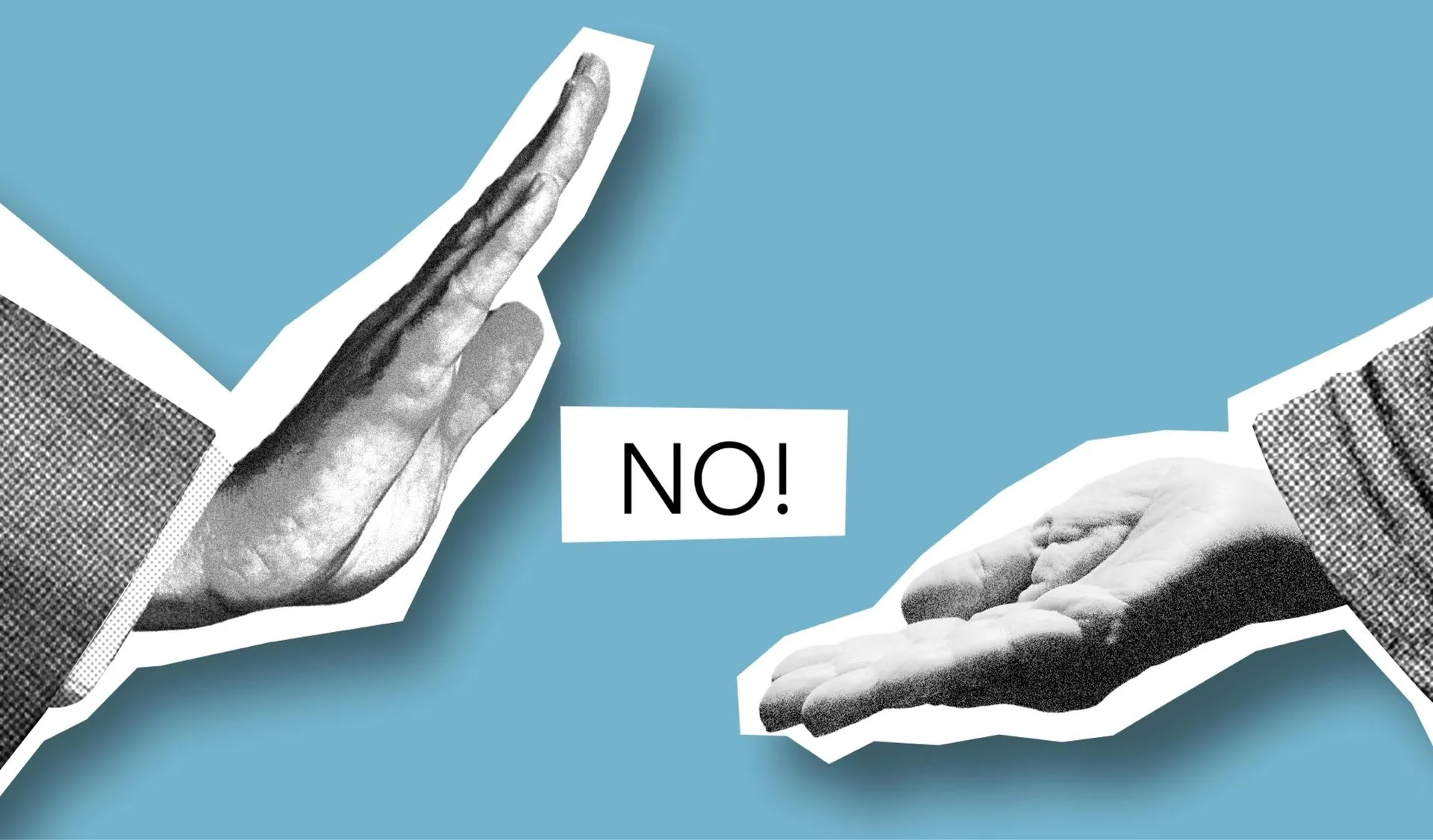
Why Insurance Claims Get Denied or Underpaid
An insurance claim dispute usually happens when the insurance company and the policyholder disagree about coverage or repair costs. Sometimes the insurer denies the claim entirely. Other times, the payout simply does not cover the actual cost of repairs.
Claims may be denied or reduced for reasons such as:
- Missing documentation
- Policy exclusions
- Delayed reporting
- Disagreements about the cause of damage
- Incomplete inspections
- Low repair estimates
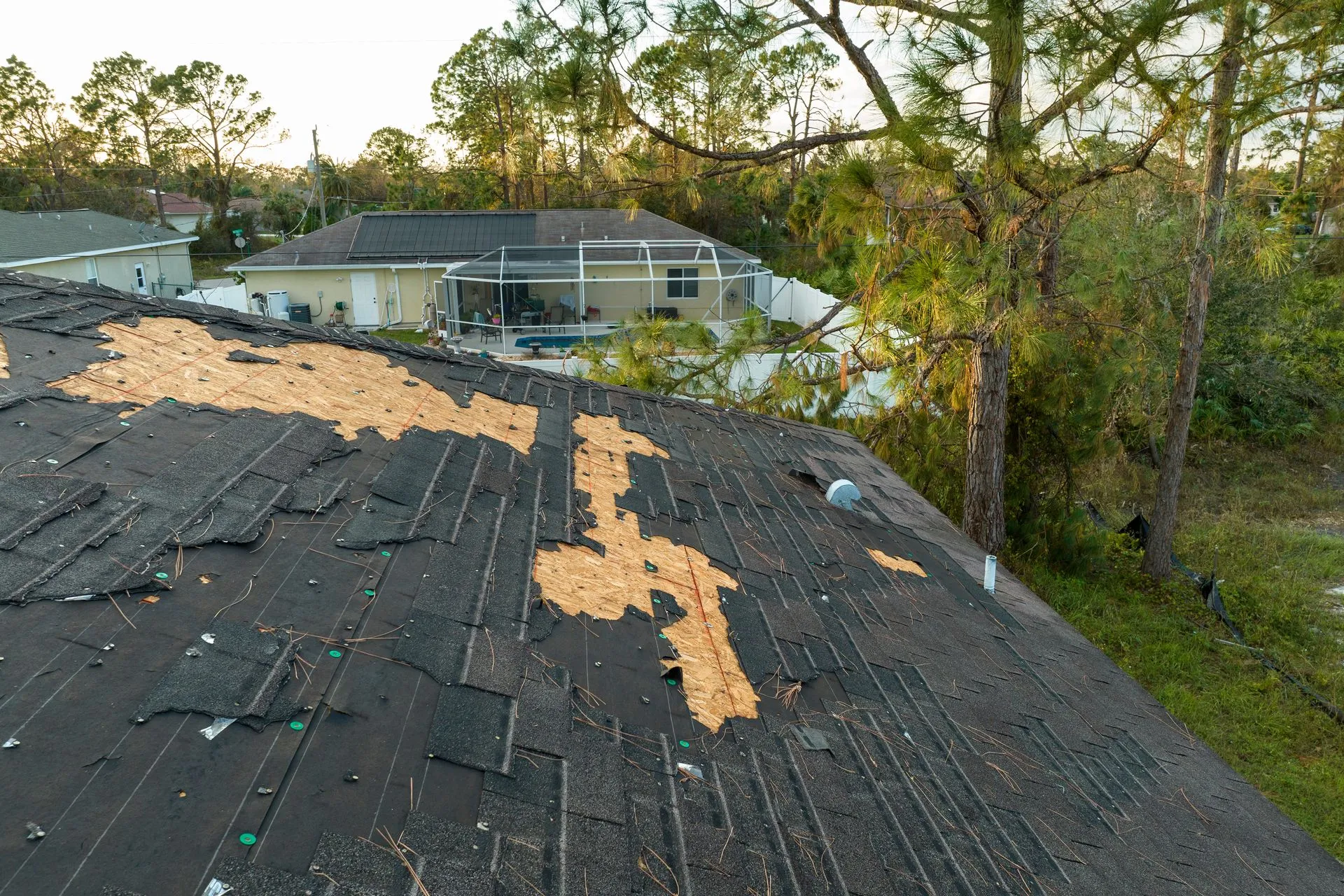
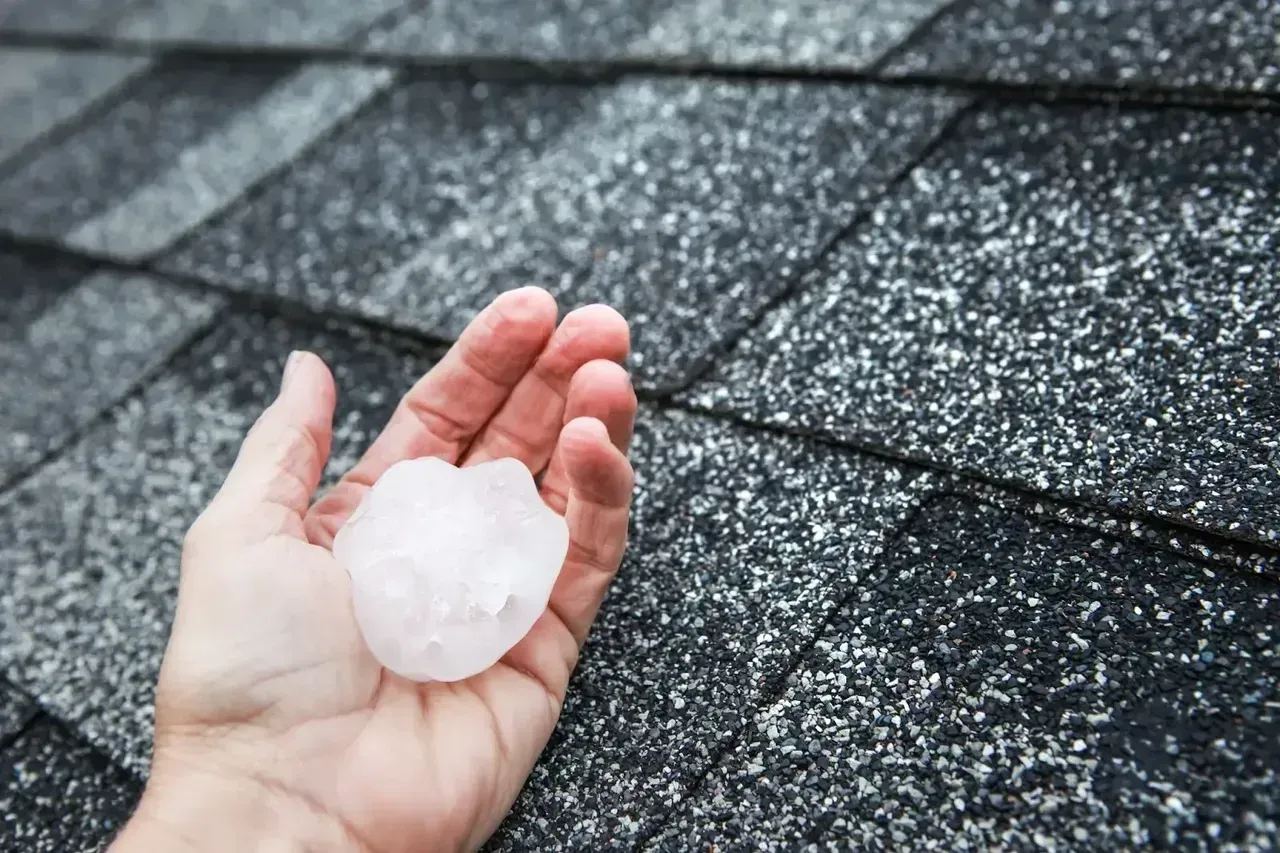
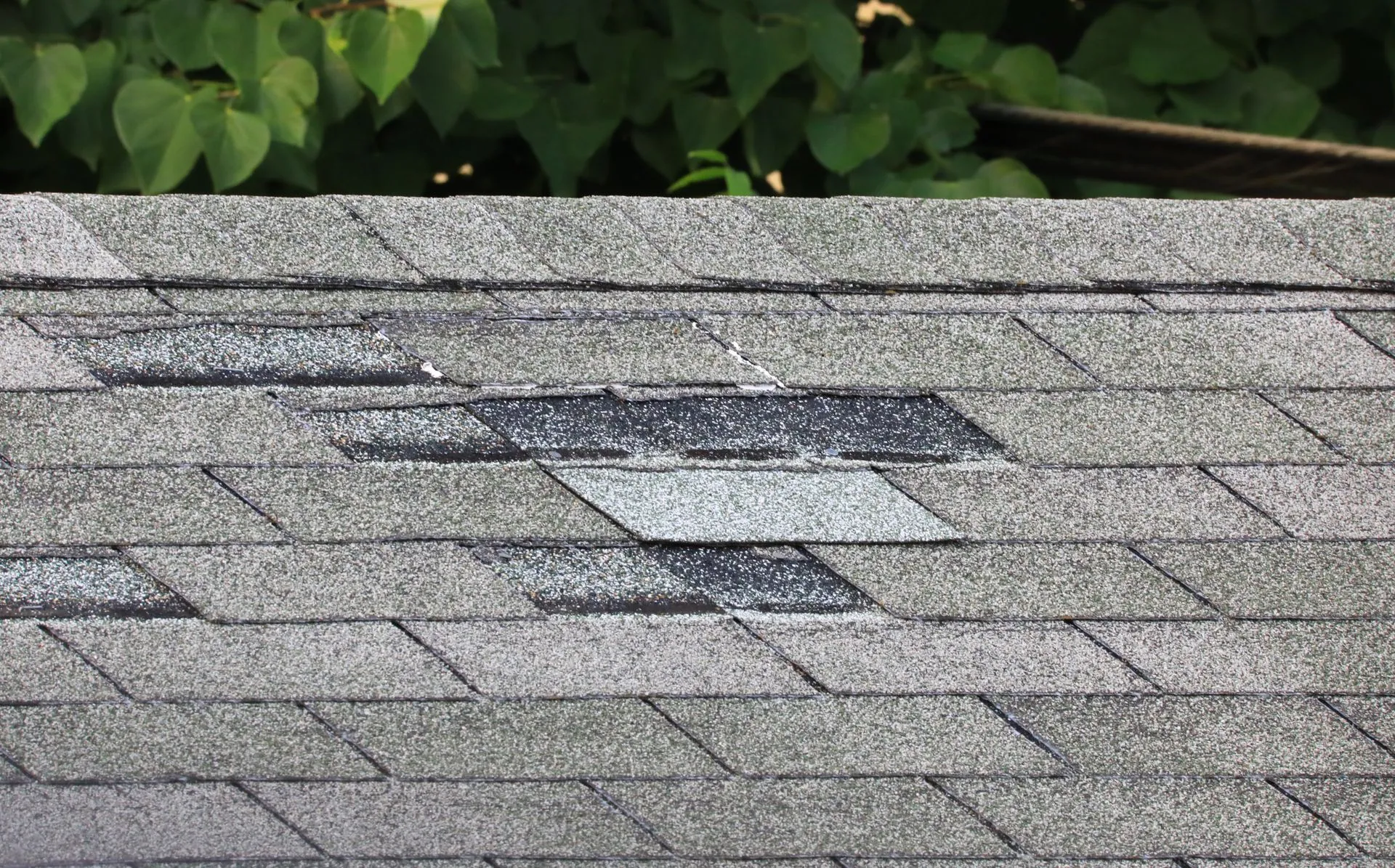
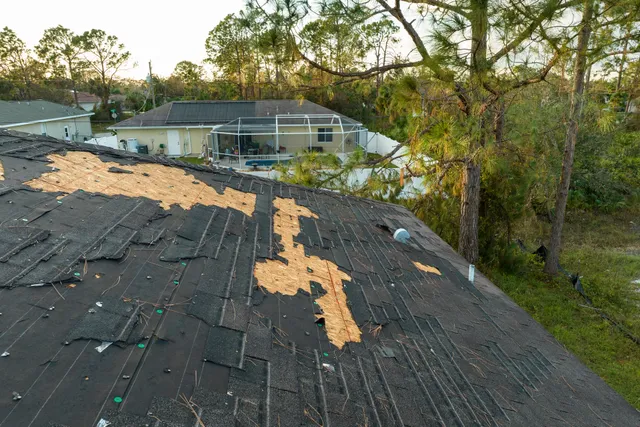
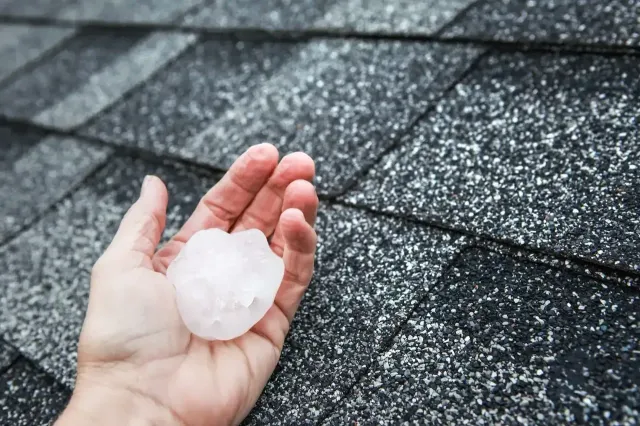
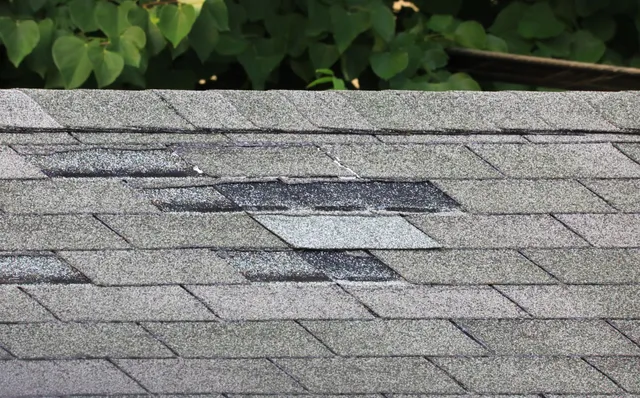
For example, a homeowner may file a storm damage claim only to hear that part of the roof damage was “pre-existing.” Meanwhile, the homeowner is wondering why the roof suddenly became an archaeological artifact.
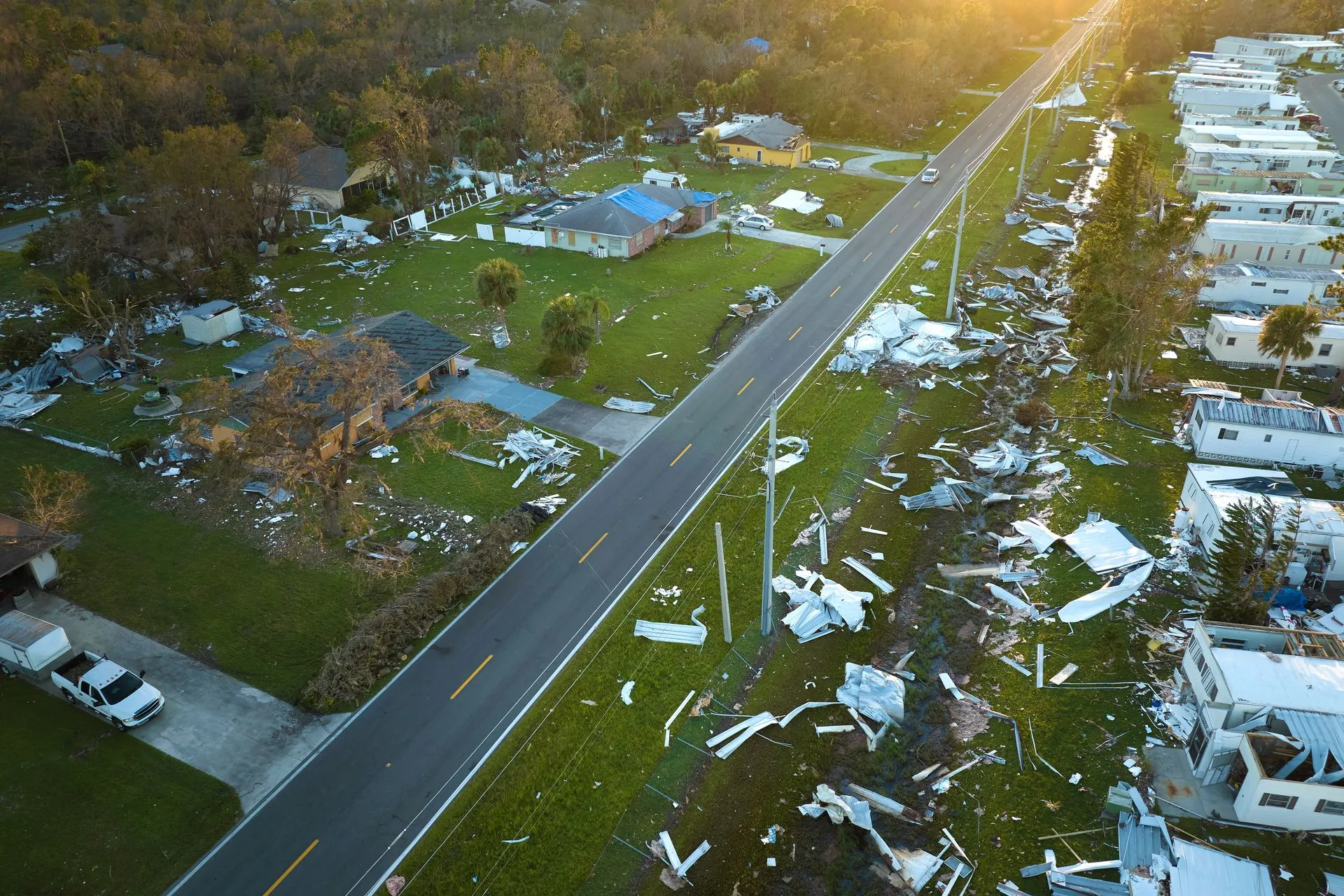
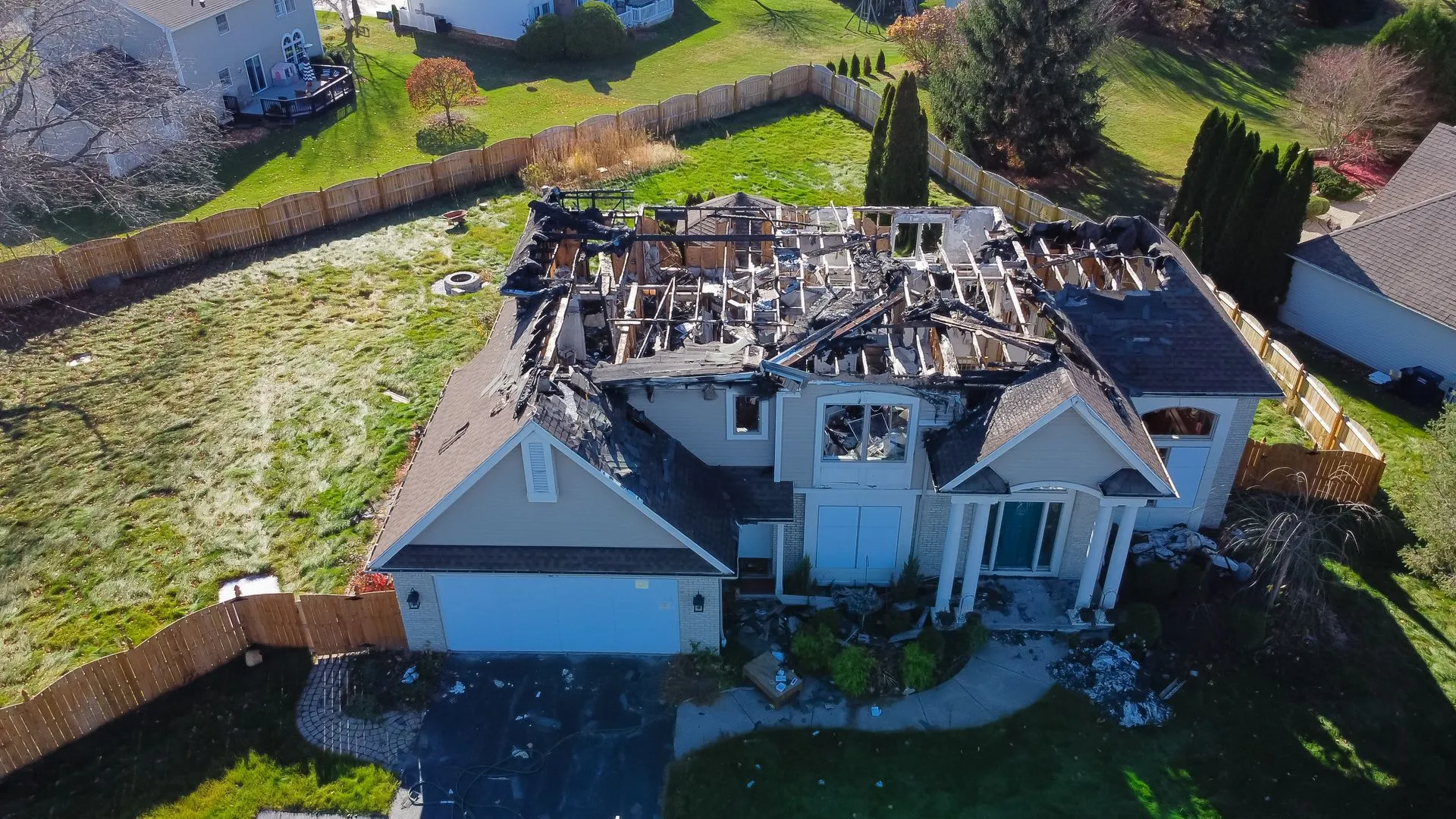
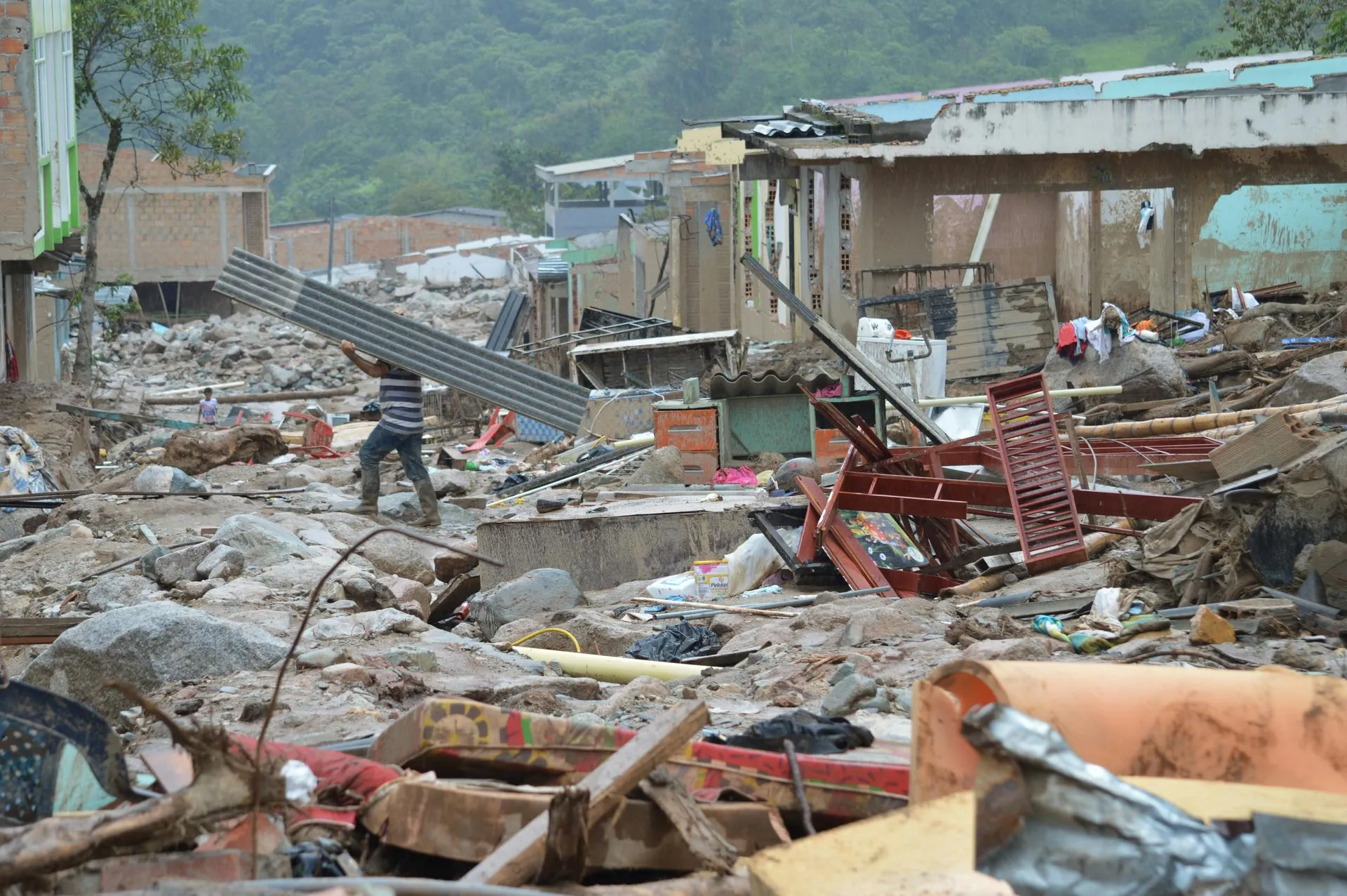
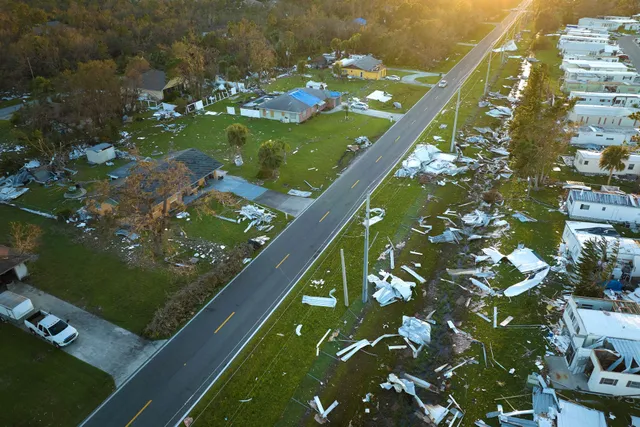
Underpaid claims are especially common after:
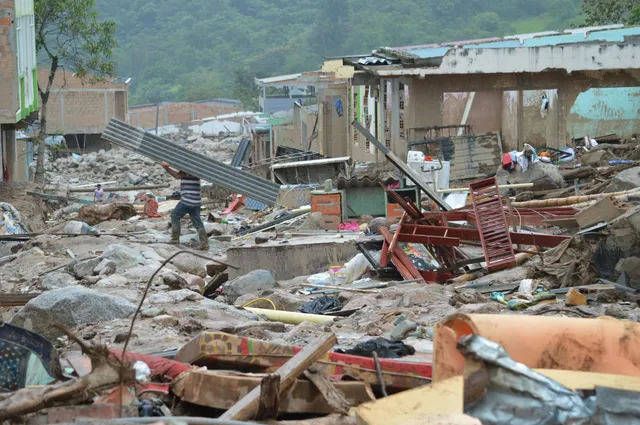
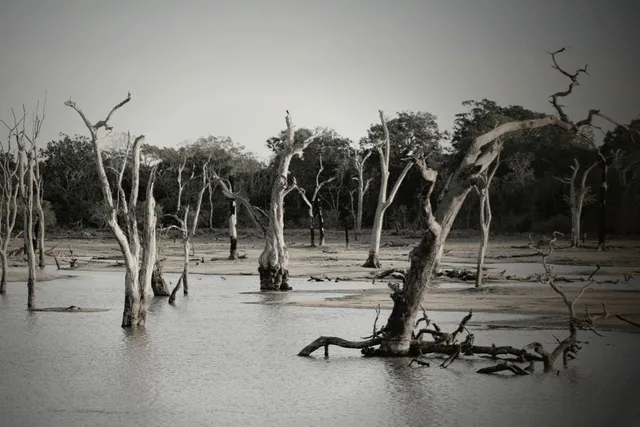
- Hurricane damage
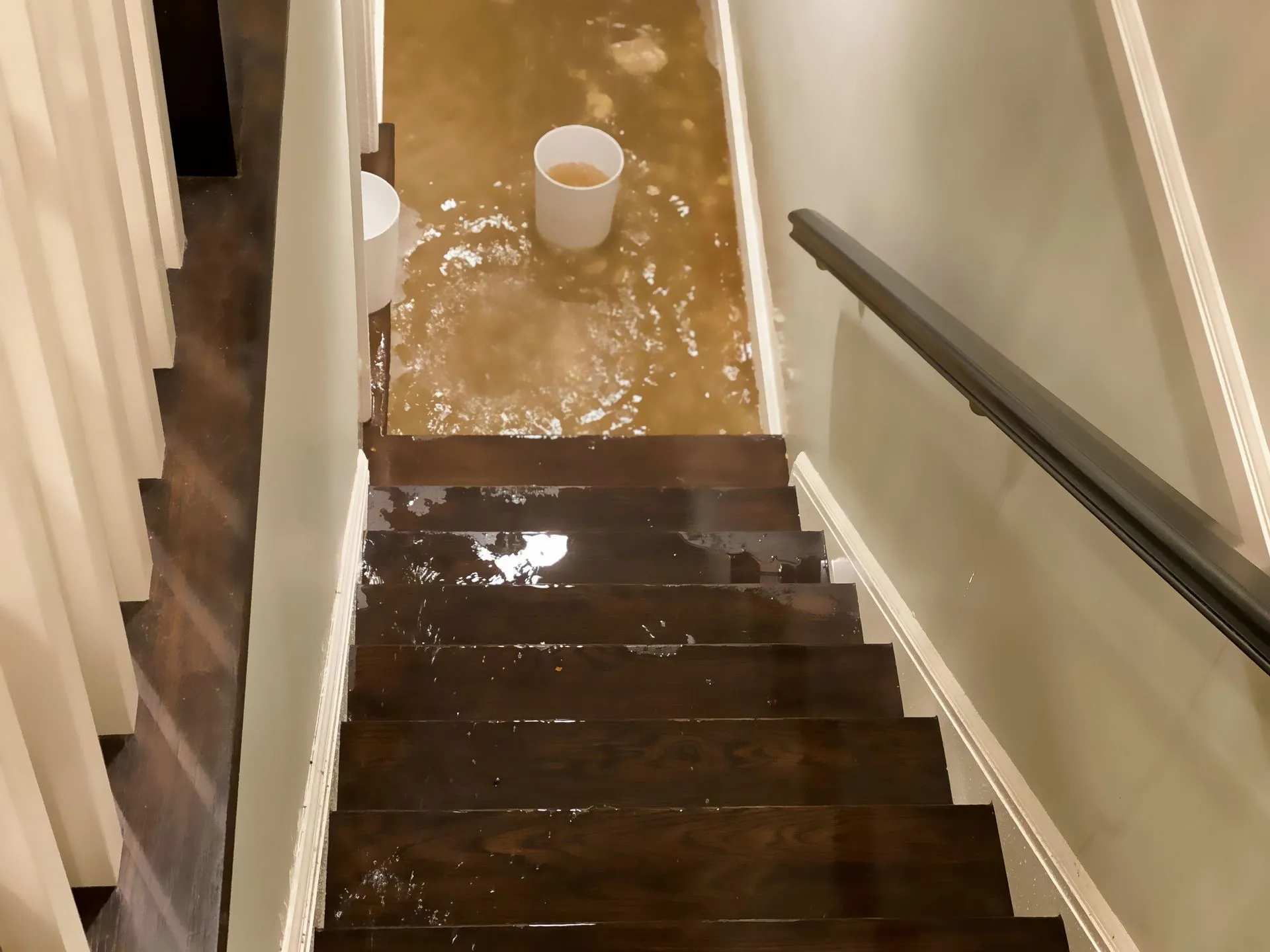
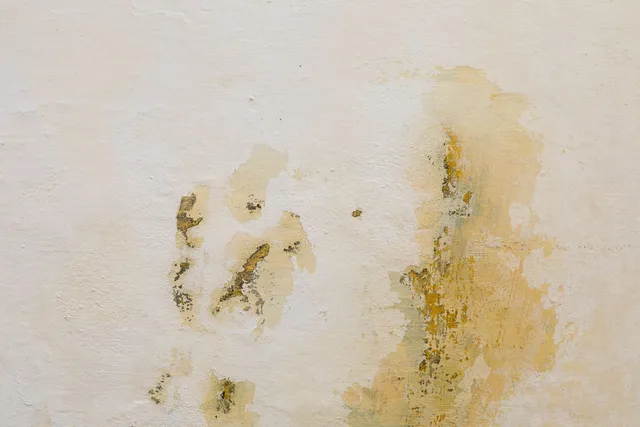
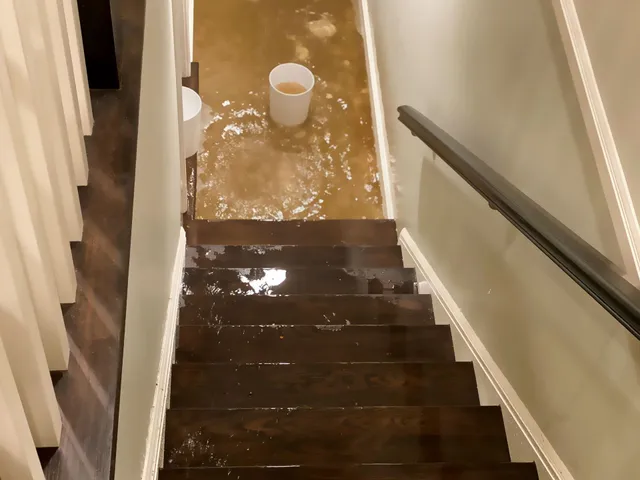
- Water damage
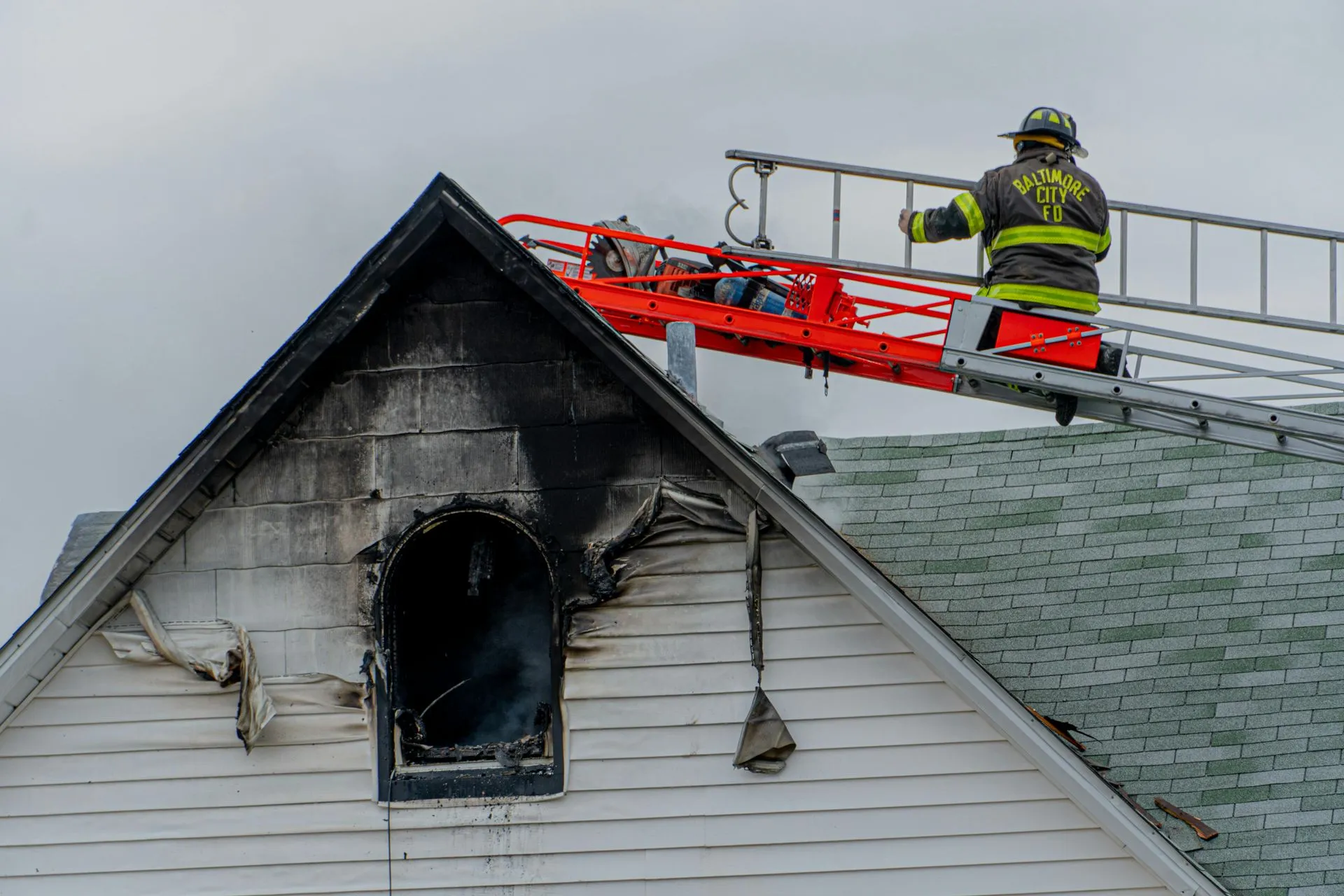
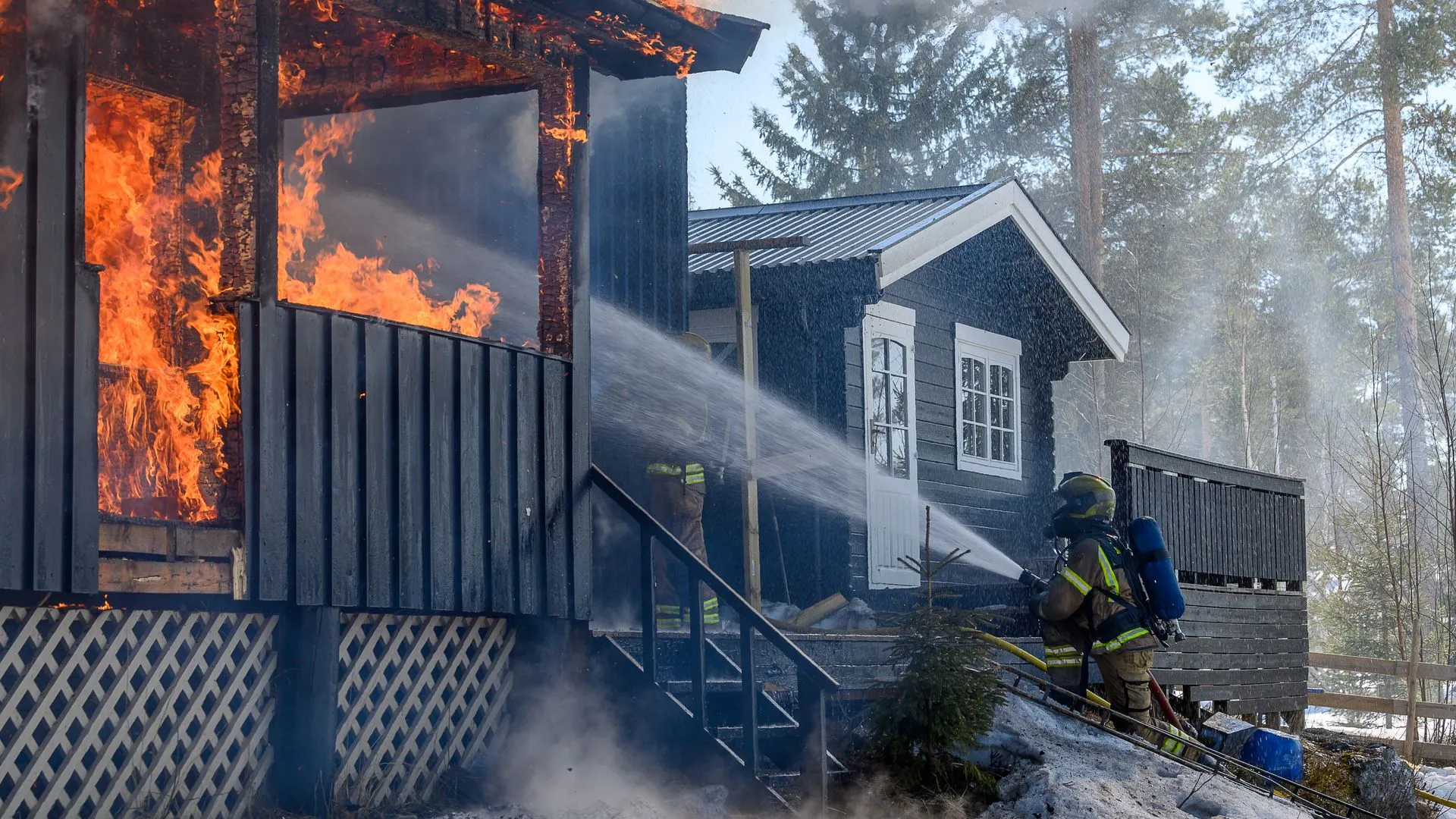
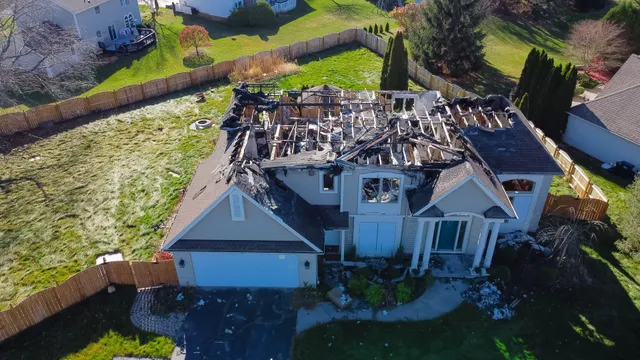
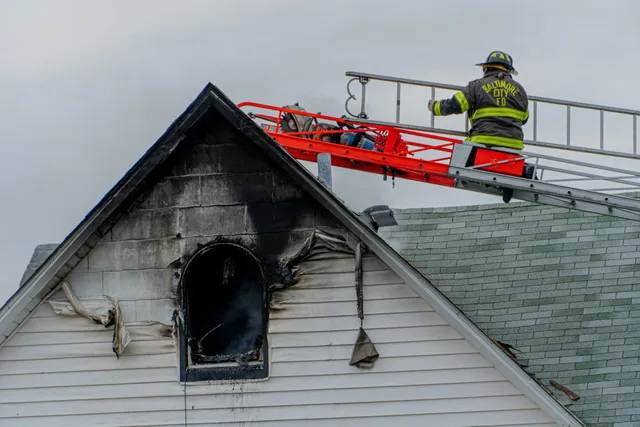
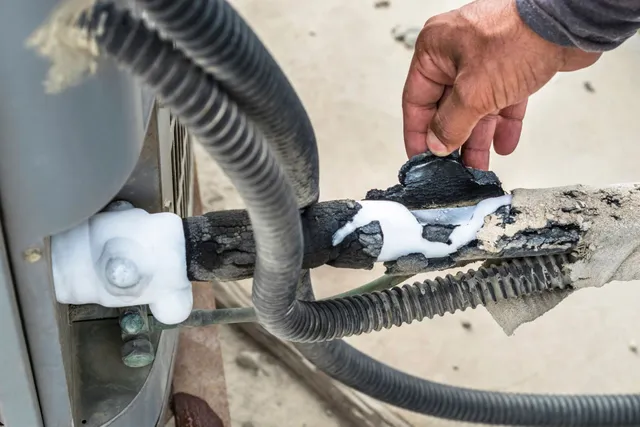
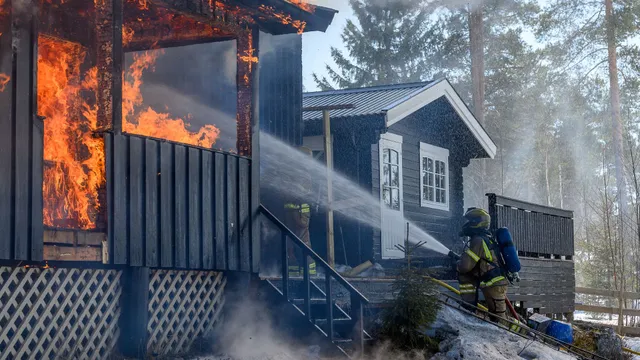
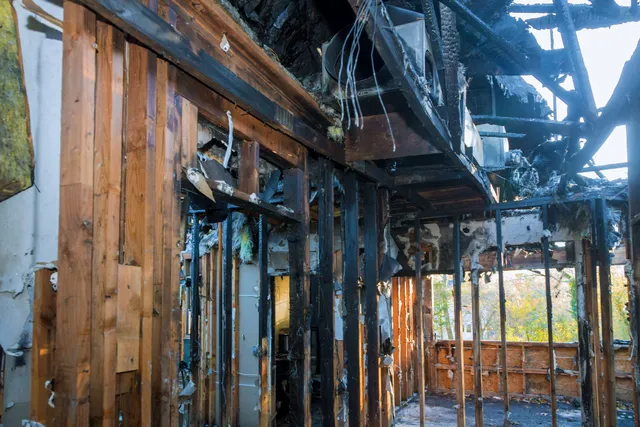
- Fire and smoke damage
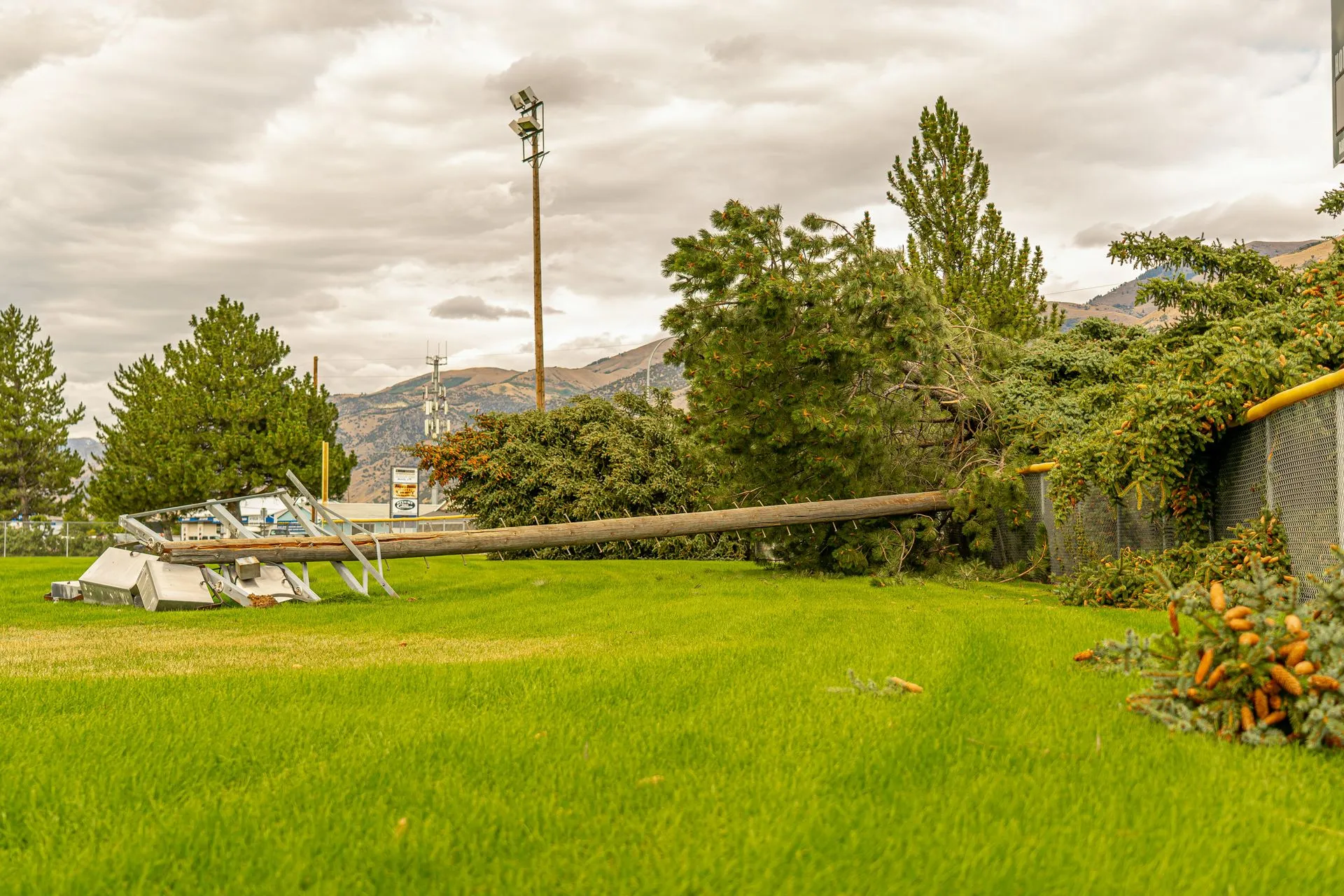
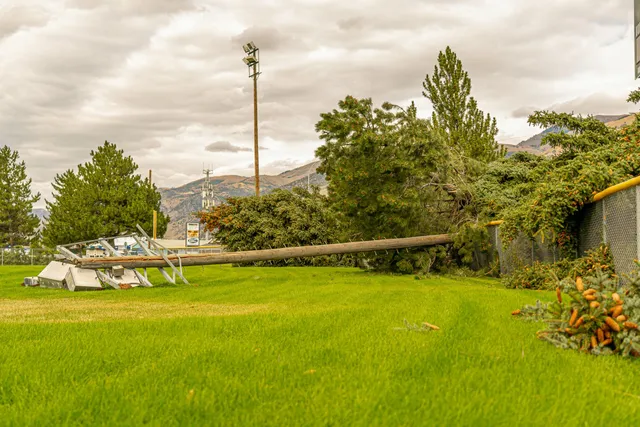
- Winter weather events
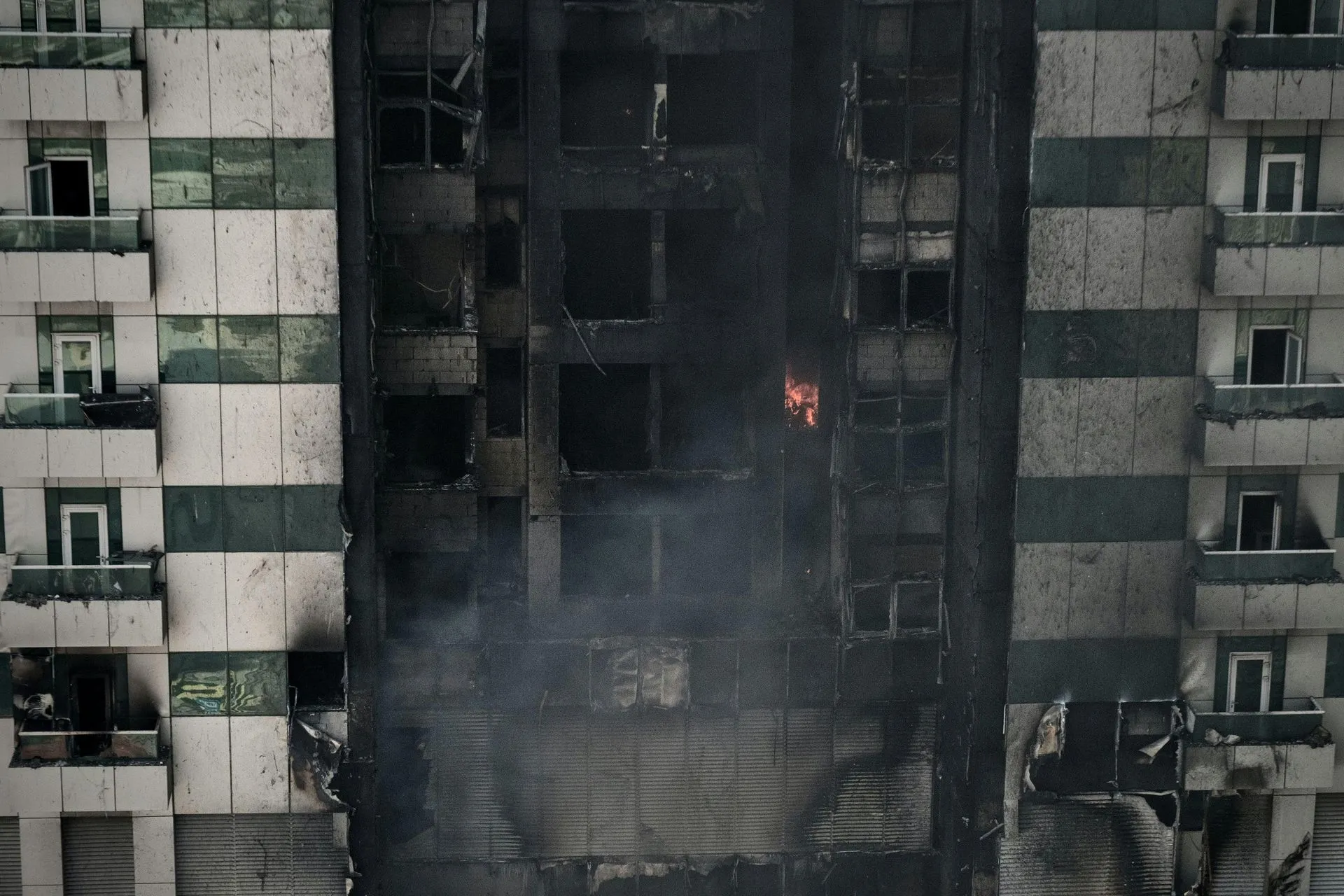
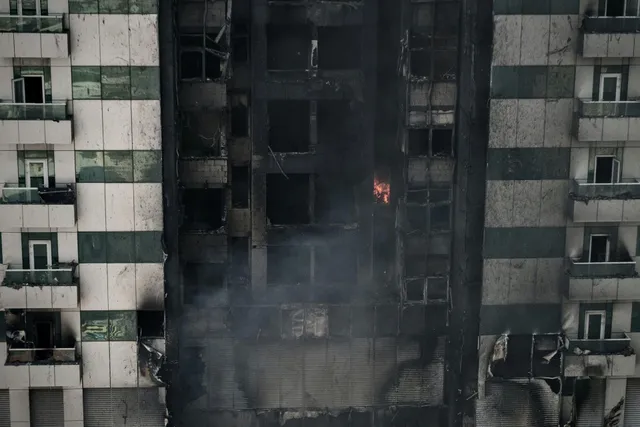
- Commercial property losses
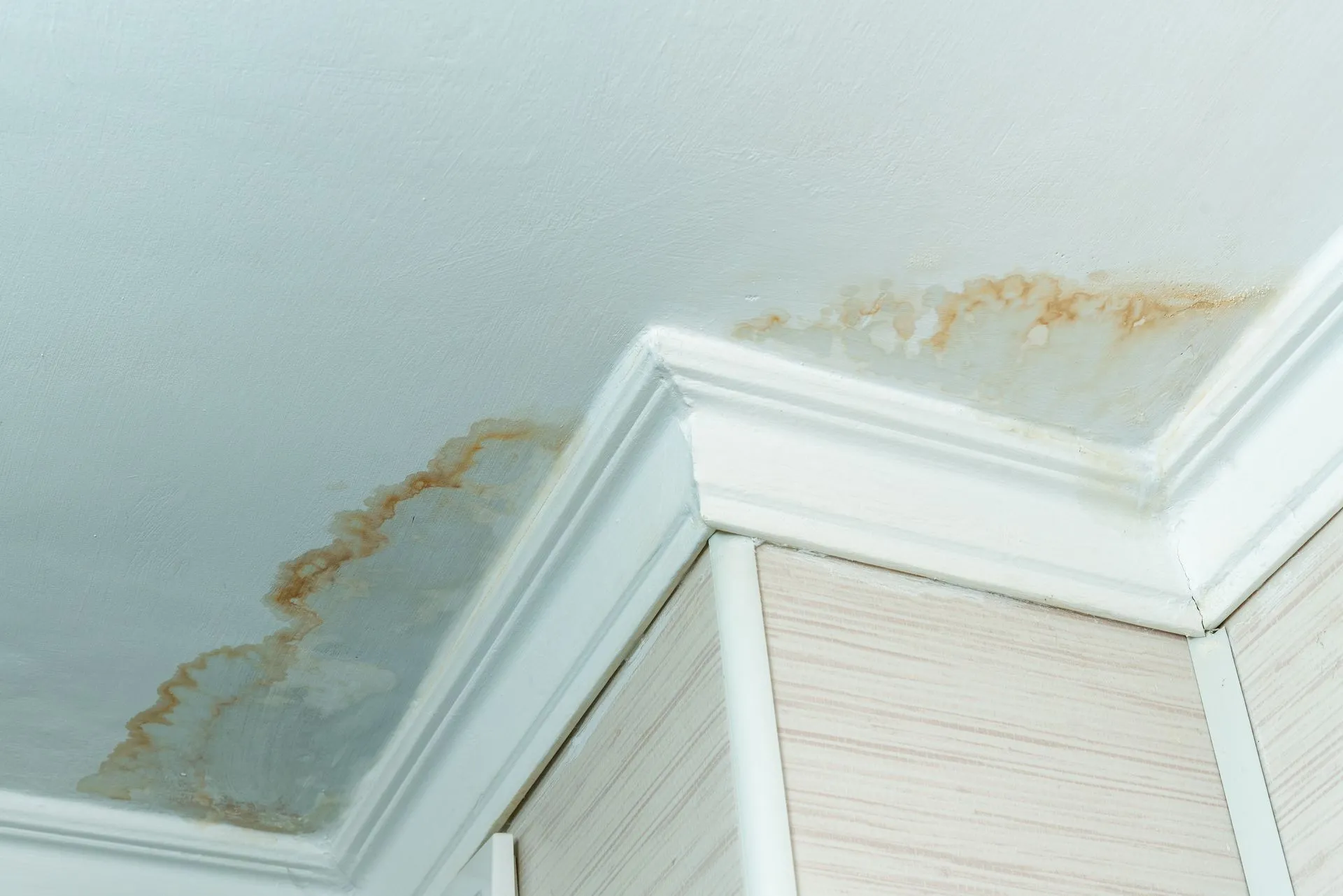
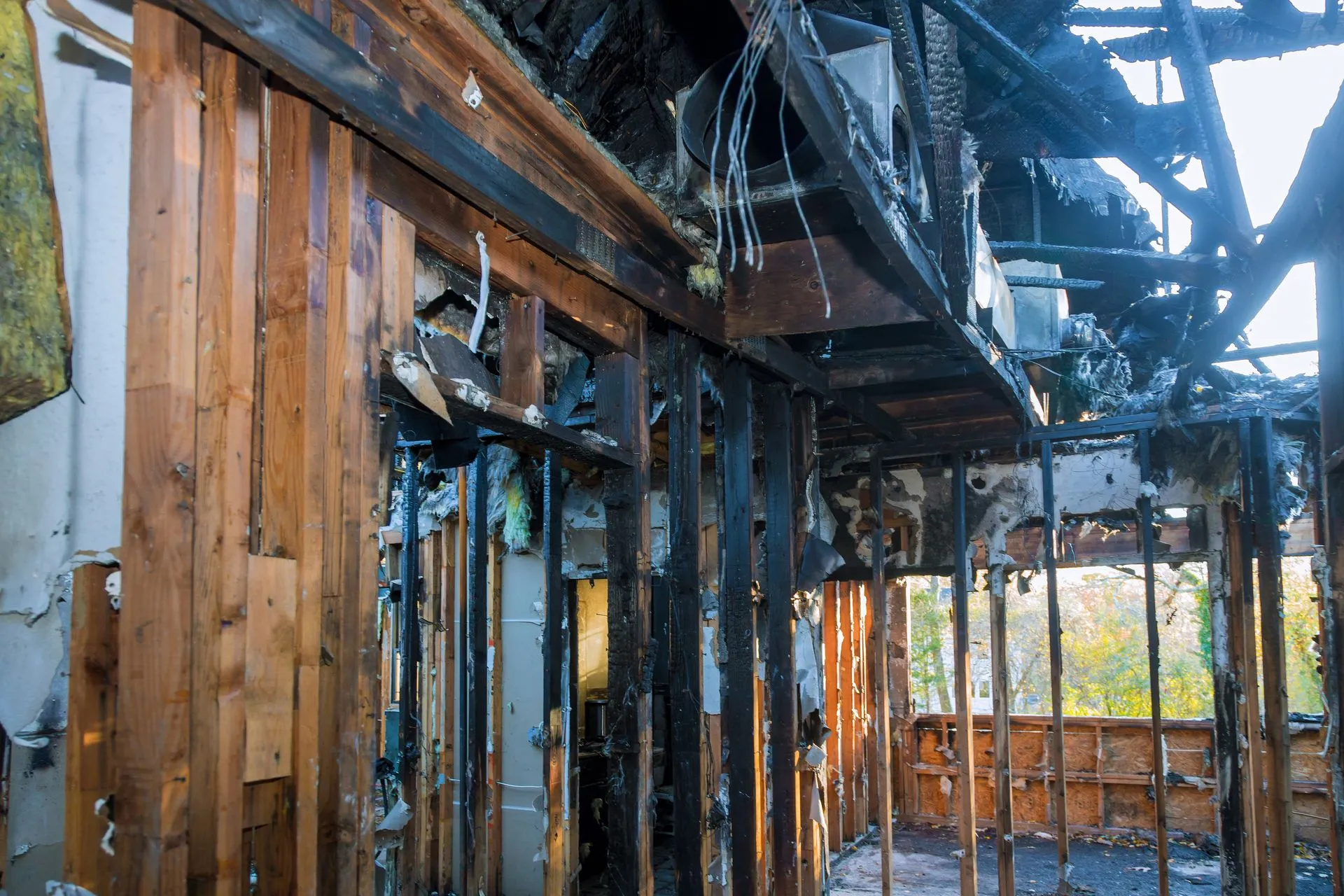
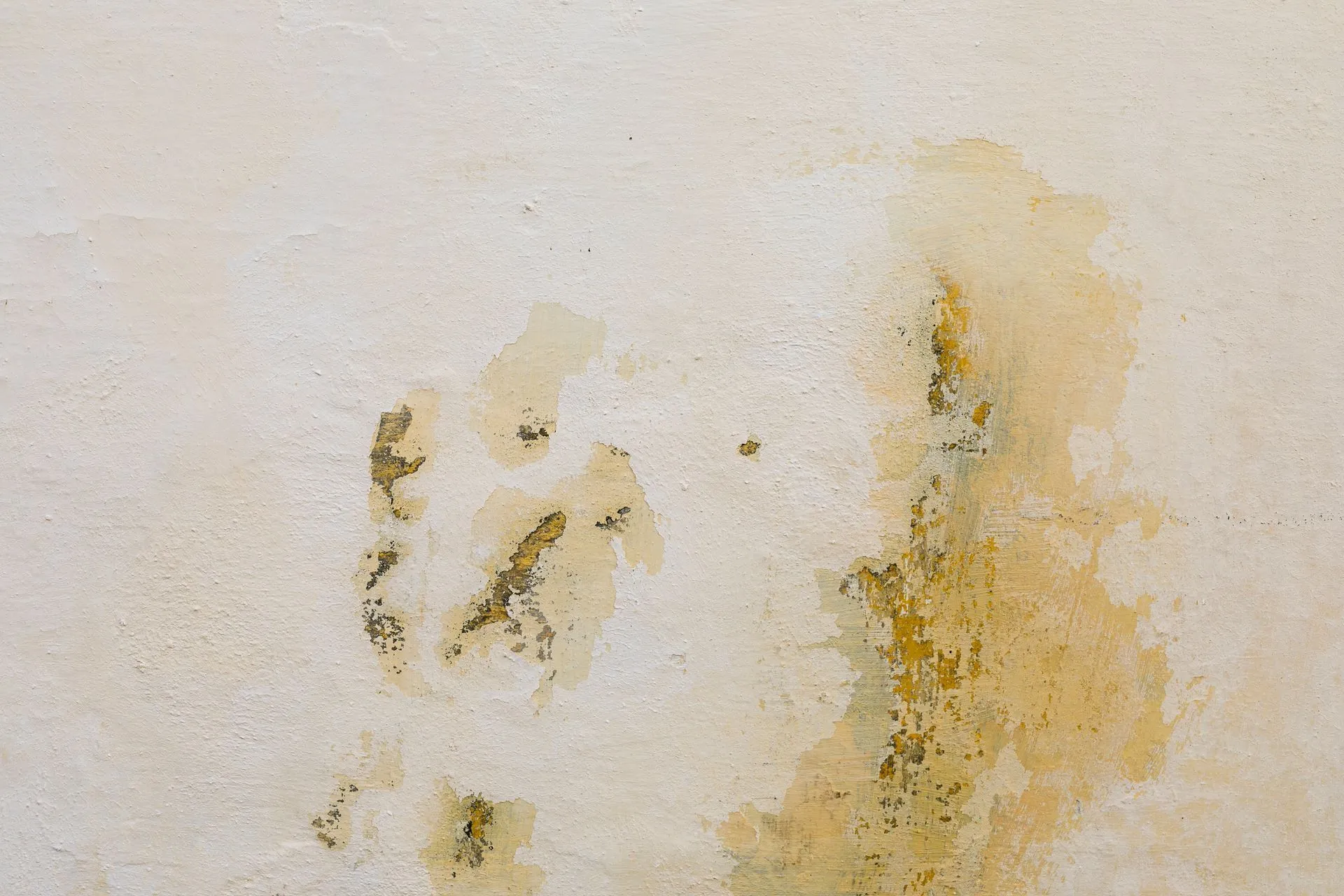
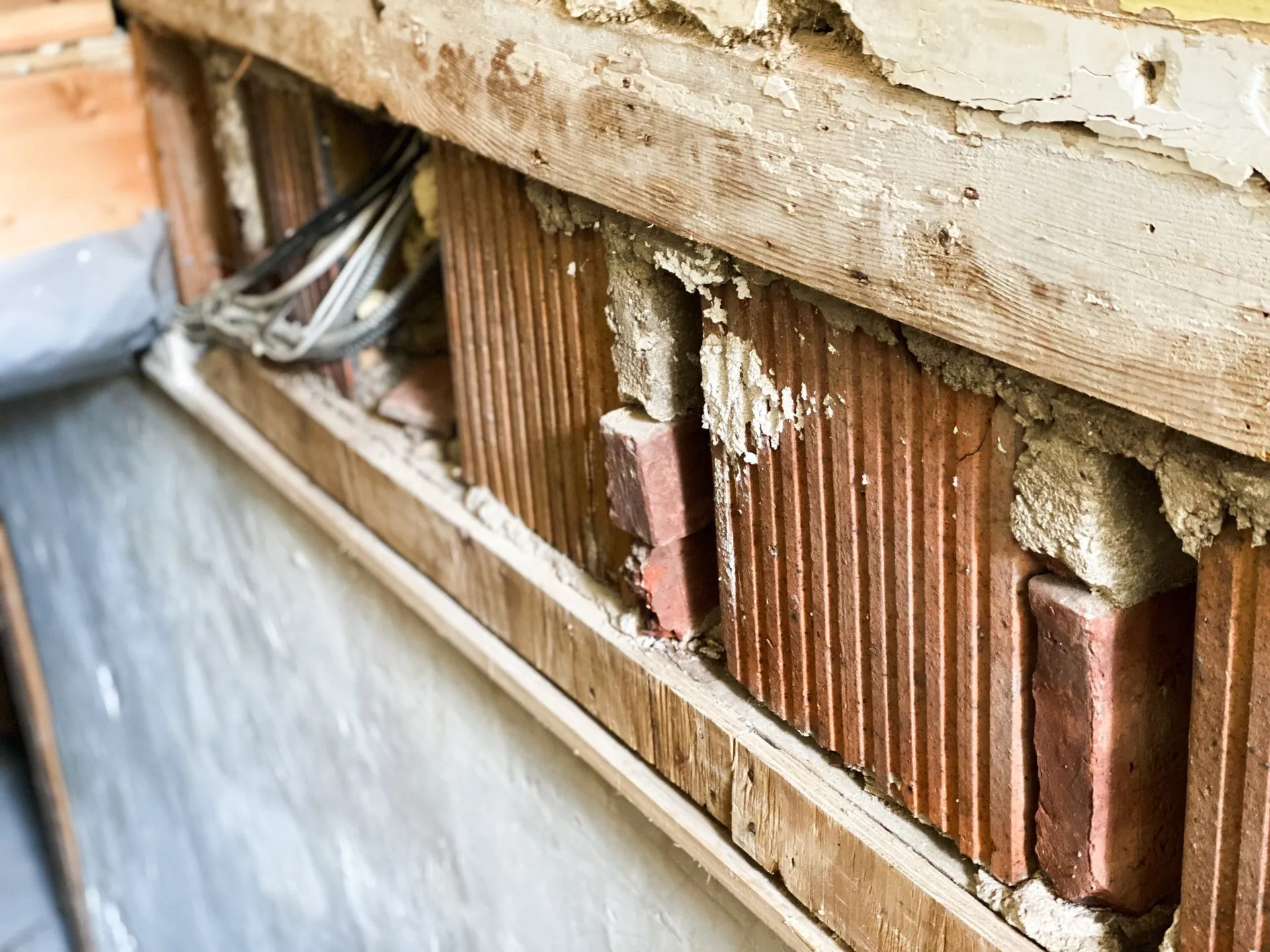
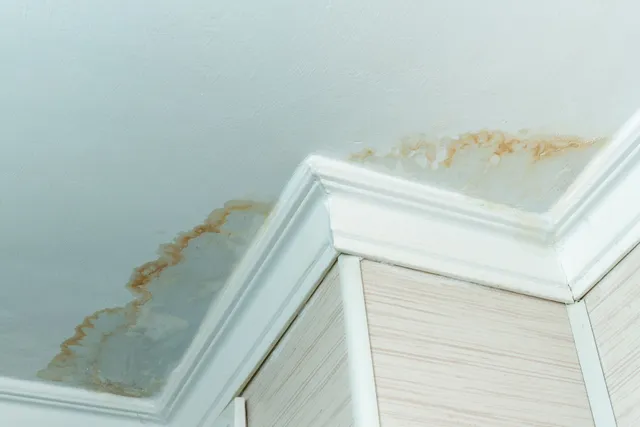
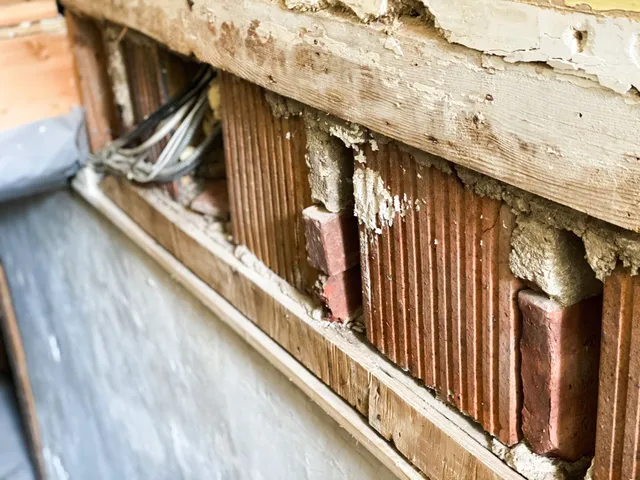
In many cases, the initial inspection does not identify hidden damage. Water intrusion behind walls, smoke contamination, or structural issues can easily be overlooked during a rushed assessment.
The important thing to remember is that a denied or underpaid claim is not always the final decision. Through
Insurance Dispute Resolution, policyholders can challenge claim outcomes and seek a fairer
insurance settlement.
How Insurance Dispute Resolution Works
The Insurance Dispute Resolution process helps resolve disagreements between insurance companies and policyholders. While every claim is different, the process usually follows several important steps.
The first step is reviewing the insurance policy carefully. This helps clarify:
- Coverage limits
- Exclusions
- Deductibles
- Claim responsibilities
- Covered damages
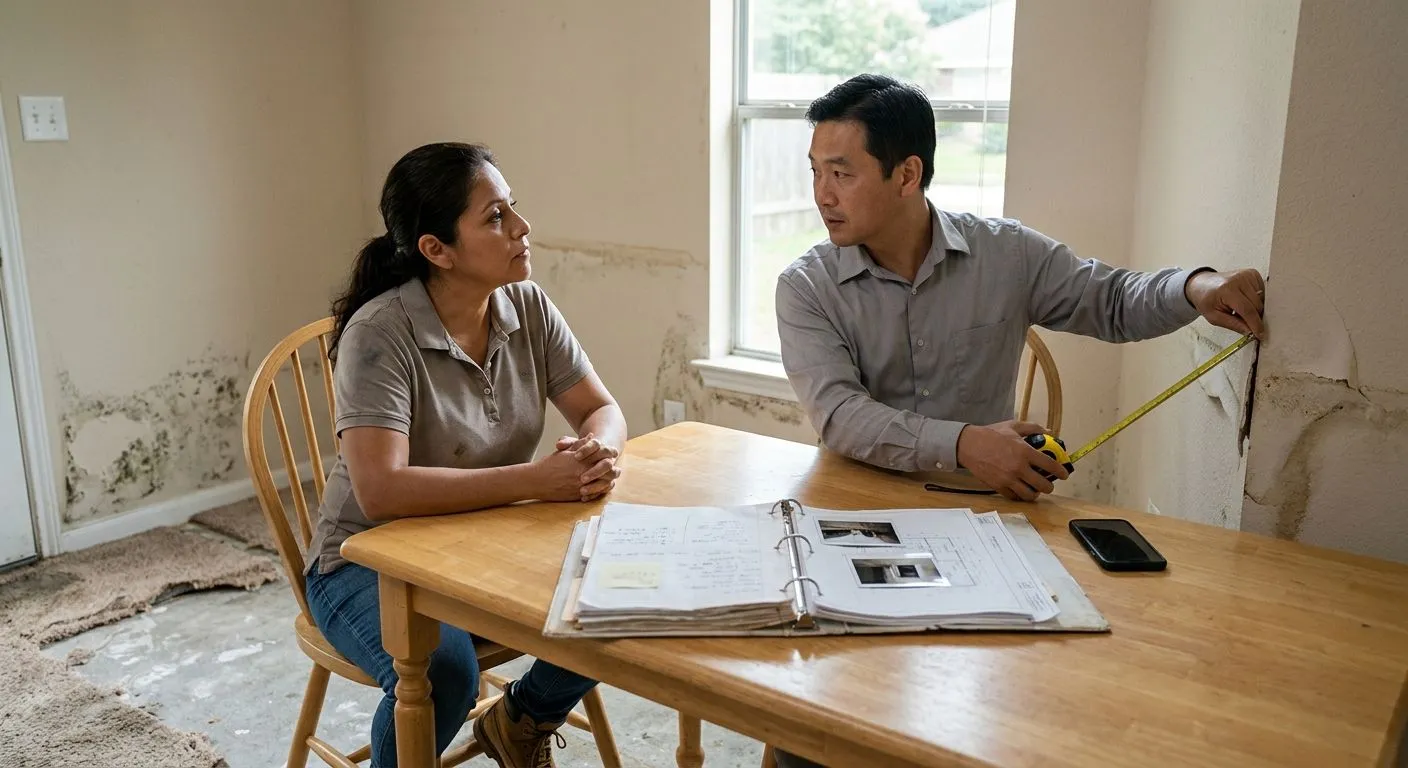
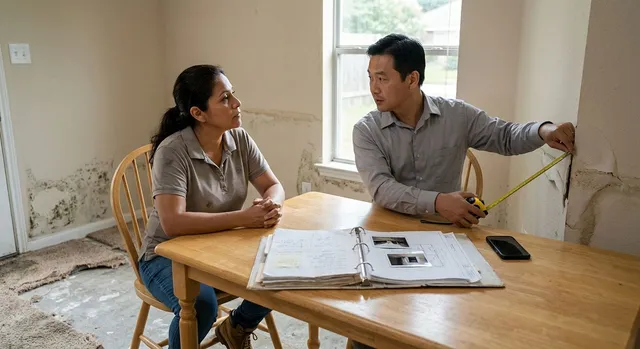
Next comes documentation. Strong evidence plays a major role in resolving an insurance claim dispute.
Property owners should gather:
- Photos and videos of damage
- Contractor estimates
- Inspection reports
- Receipts and invoices
- Communication records with the insurer
Once the evidence is organized, negotiations typically begin. The insurance company may review updated estimates, perform another inspection, or reconsider parts of the claim.
Some disputes may also involve:
- Mediation
- Appraisal processes
- Arbitration
- Legal review
However, many disputes are settled through negotiation before reaching court. The goal is to reach a fair insurance settlement that reflects the actual cost of repairs and recovery.
Commercial claims can become more complicated because they may include:
- Business interruption losses
- Equipment damage
- Inventory losses
- Operational downtime
This is one reason many property owners seek professional assistance during the dispute process.
How Public Adjusters Help With Insurance Claim Disputess Owners Make When Filing Claims
Many policyholders assume the insurance adjuster assigned to their claim is fully representing their interests. In reality, insurance company adjusters work for the insurer. Public adjusters work for the policyholder.
A public adjuster helps manage the insurance claim dispute process by evaluating damage, documenting losses, and negotiating with the insurance company.
Public adjusters often assist with:
- Denied insurance claims
- Underpaid claims
- Residential property losses
- Commercial insurance claims
- Fire and smoke damage
- Hurricane and storm damage
- Water damage claims
One of the biggest advantages of working with a public adjuster is claim accuracy. Initial inspections sometimes miss hidden damage that becomes expensive later. A detailed review can uncover structural issues, moisture damage, or repair costs that were underestimated.
Public adjusters also help organize paperwork and claim documentation. Let’s be honest, after property damage, most people would rather do almost anything else besides sorting receipts and reading policy language.
For commercial property owners, this support can be especially valuable.
Large claims often involve:
- Multiple contractors
- Business income losses
- Tenant-related damages
- Equipment replacement costs
The goal is not to create conflict with the insurance company. The goal is to present a well-documented claim that supports a fair
insurance settlement.
Common Mistakes That Can Hurt Your Insurance Settlement
After a property loss, small mistakes can have a big impact on your claim outcome. Many policyholders unintentionally weaken their own case during the early stages of an insurance claim dispute.
One common mistake is accepting the first settlement offer too quickly. Insurance companies may issue an initial payment before the full extent of the damage is known.
Other mistakes include:
- Failing to document all damages
- Throwing away damaged materials too soon
- Missing filing deadlines
- Using incomplete repair estimates
- Not reviewing the policy carefully
Another issue is poor communication tracking. Keeping records of inspections, emails, phone calls, and repair discussions can help support your position during Insurance Dispute Resolution.
It is also important to watch for delayed damage. Water intrusion, smoke contamination, and mold growth may not appear immediately after the incident.
Helpful tips include:
- Take detailed photos immediately
- Save all repair receipts
- Request written estimates
- Review settlement offers carefully
- Seek professional guidance if needed
The more organized your claim documentation is, the stronger your position becomes during negotiations.
Contact Nuclaim, Inc. Public Adjusters for Help With Insurance Dispute Resolution
If your claim has been denied, delayed, or underpaid, Nuclaim, Inc. Public Adjusters can help you navigate the Insurance Dispute Resolution process. Our team works with homeowners, commercial property owners, and property managers to pursue fair claim outcomes after property damage losses.
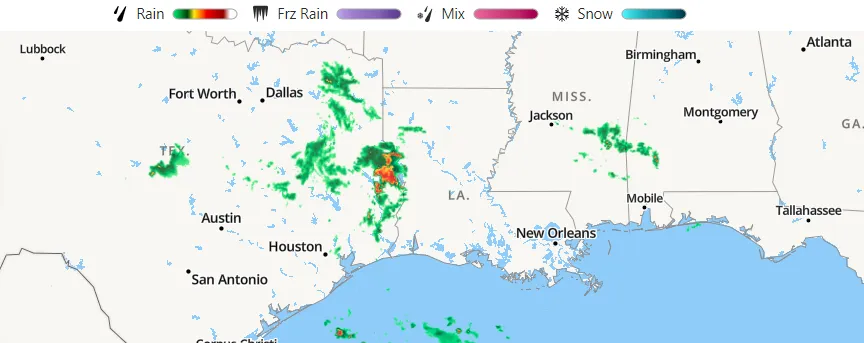
We proudly serve Houston, Dallas/Fort Worth, Austin, San Antonio, Lake Charles, and Oklahoma City. Whether you are dealing with
hurricane damage claims,
water damage losses,
business interruption claims, or
fire and smoke damage, our experienced public adjusters are ready to advocate for your best interests. Call
713-999-2529 today to discuss your claim and learn how we can help you pursue the
insurance settlement you deserve.
FAQ
What is Insurance Dispute Resolution?
Insurance Dispute Resolution is the process of resolving disagreements between policyholders and insurance companies regarding denied, delayed, or underpaid claims.
Can an underpaid insurance claim be challenged?
Yes. Policyholders can dispute low settlement offers by providing additional documentation, repair estimates, and inspections.
Why do insurance companies deny claims?
Claims may be denied because of policy exclusions, disputed damage causes, delayed reporting, or insufficient documentation.
Should I hire a public adjuster for an insurance claim dispute?
A public adjuster can help evaluate damage, organize claim documentation, and negotiate with the insurance company on your behalf.
What types of claims often involve disputes?
Storm damage, water damage, fire damage, hurricane claims, and commercial property losses commonly involve disputes over coverage or repair costs.