
Owning a business comes with a lot of responsibilities, and protecting your property is one of the most important. From sudden storms to broken pipes, fires, or vandalism, unexpected damage can halt operations and threaten your bottom line. Filing commercial insurance claims properly ensures that your business can recover quickly and continue serving your customers.
Unfortunately, many business owners underestimate the complexity of filing a
commercial insurance claim. Small mistakes, missing documentation, or misunderstandings about policy language can delay compensation or even result in underpaid
business property damage claims. This guide explains the process, highlights common mistakes, and provides strategies to make your claim more effective.

Understanding Commercial Insurance Claims and Their Importance
A commercial insurance claim is a request you make to your insurance company to recover financial losses caused by property damage. These claims cover a range of situations, including storm damage, fire, water leaks, vandalism, and more.
The stakes are higher than in residential claims because the property often represents both your investment and your business income. For many companies, downtime equals lost revenue, so getting compensated quickly is essential.
Common types of business property damage claims
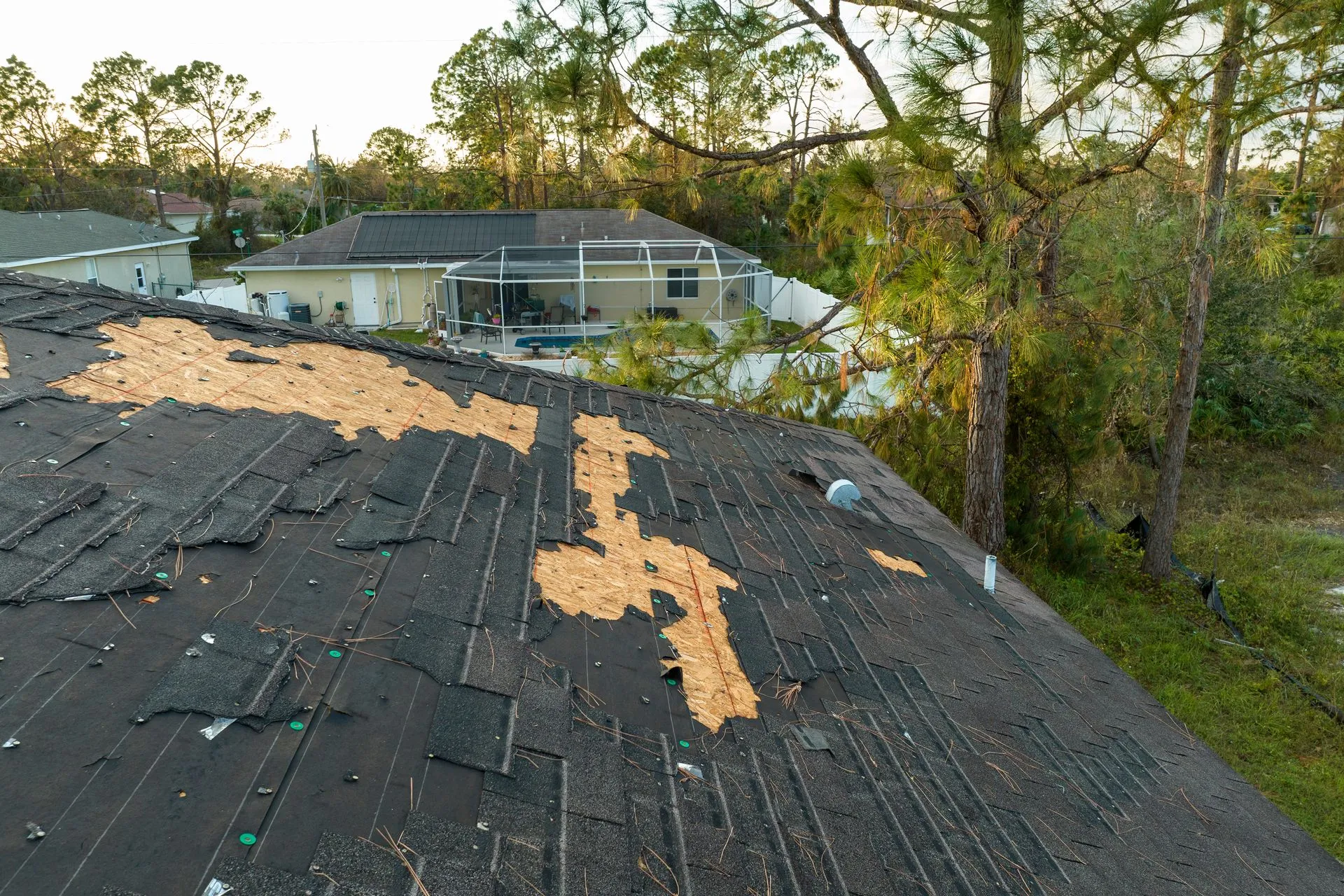
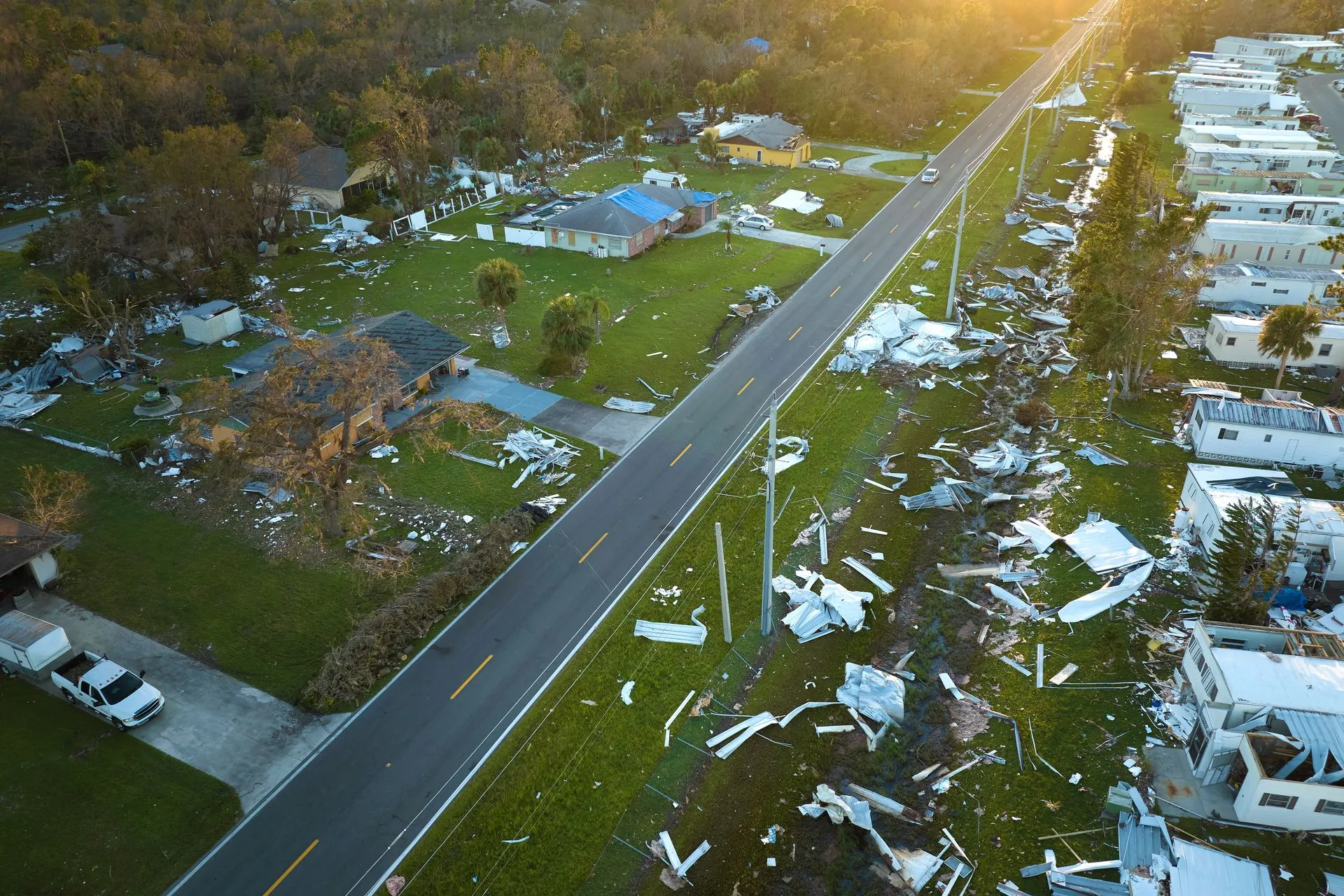
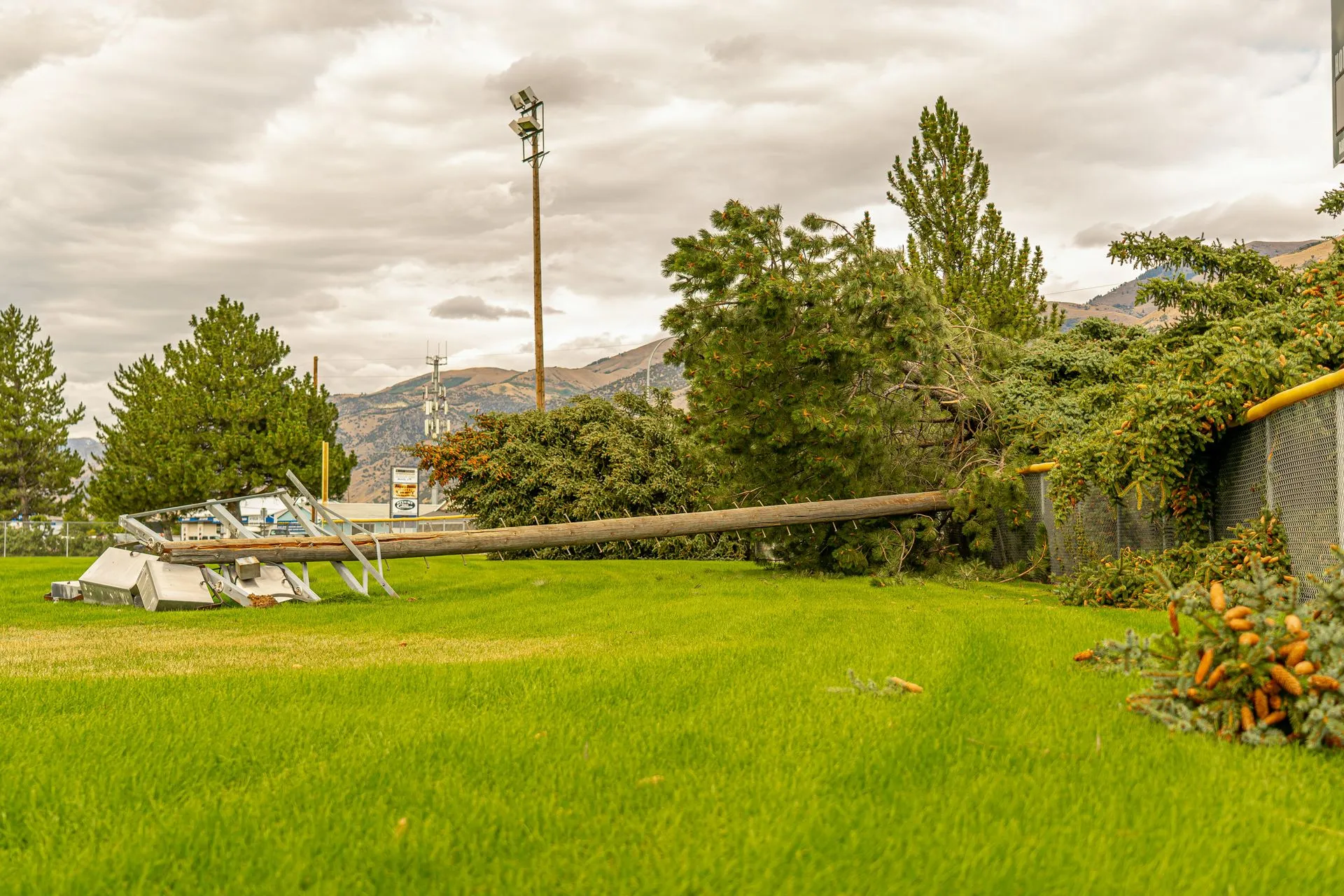
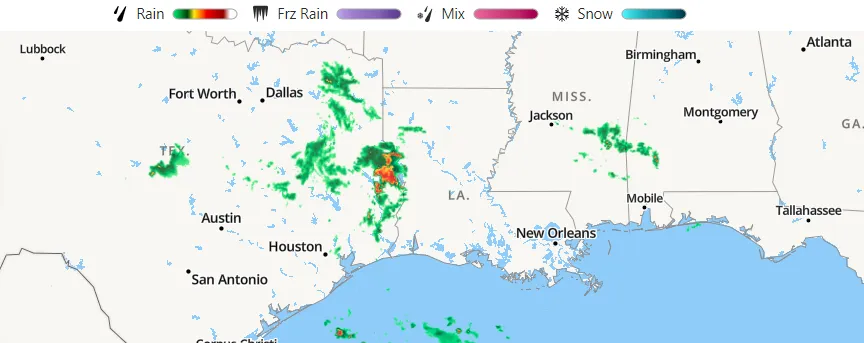
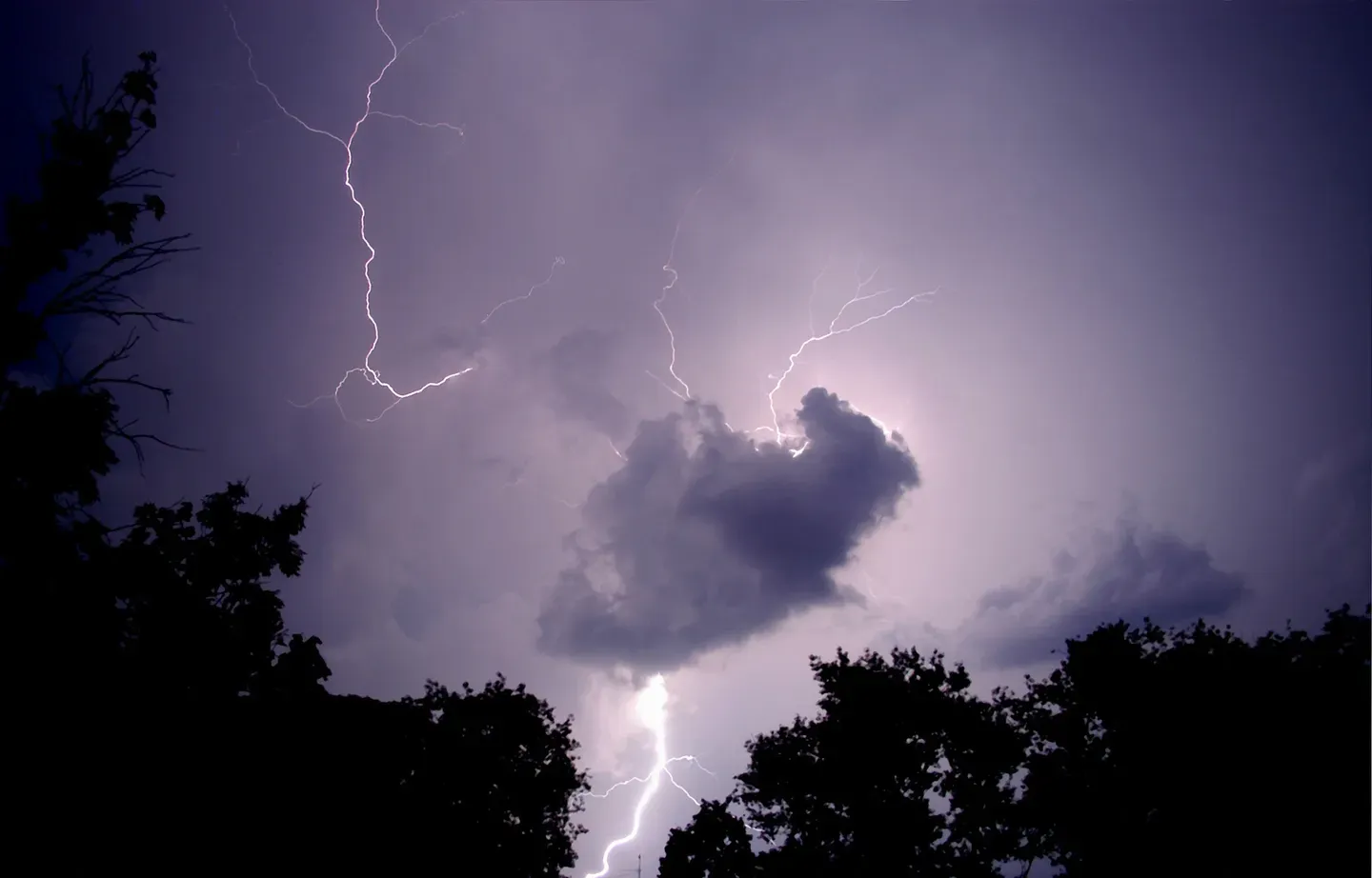
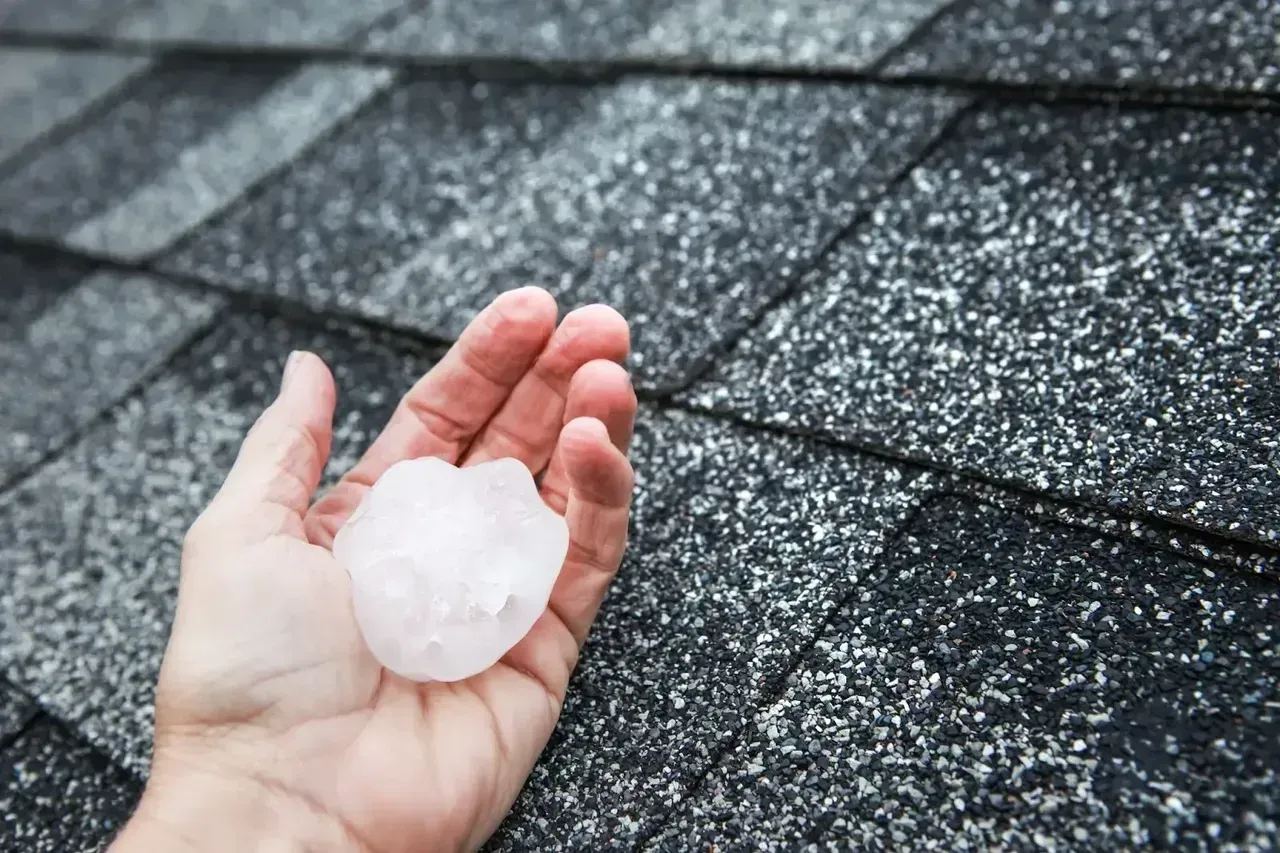
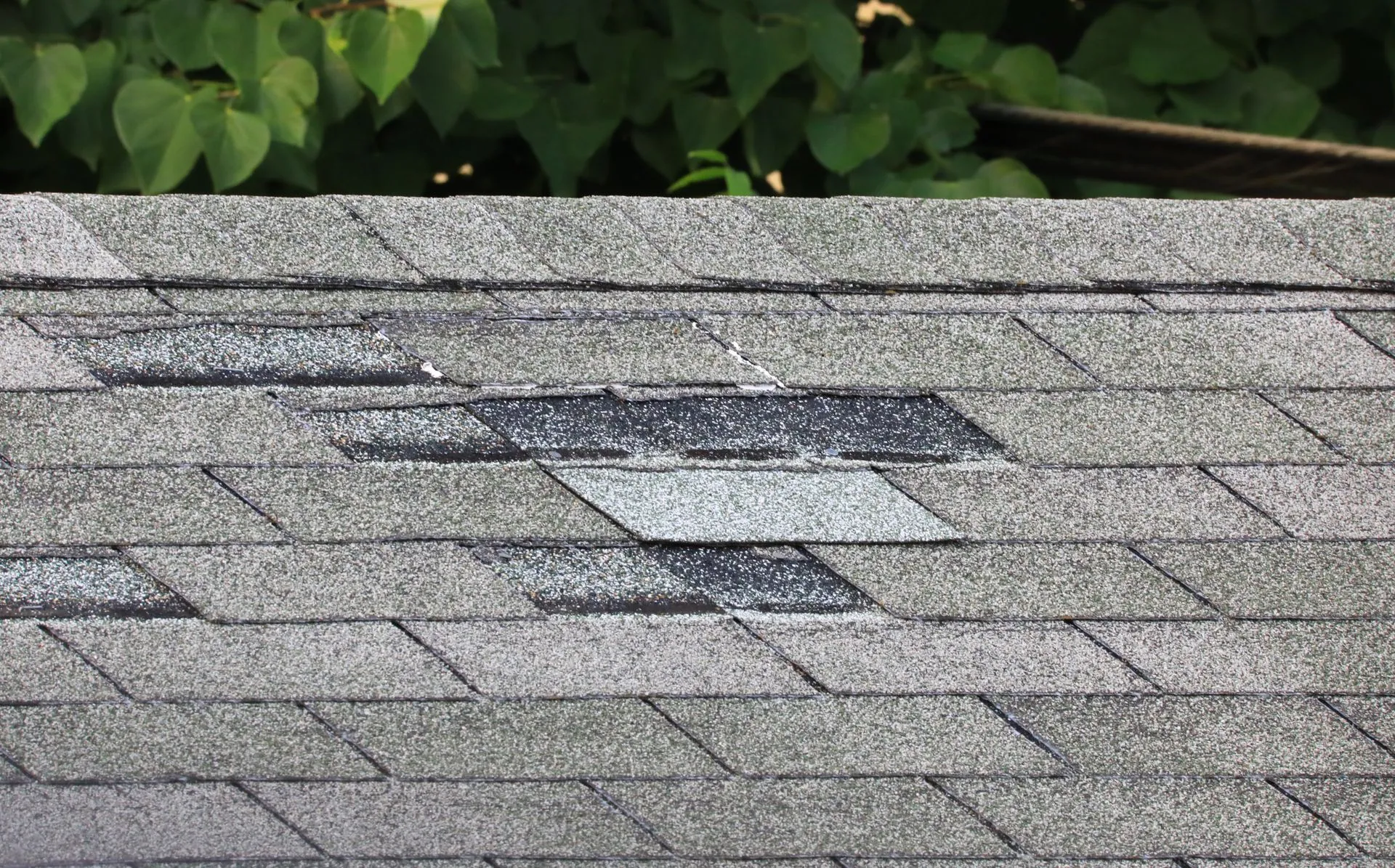
- Storm and wind damage: Roofs, siding, signage, and parking areas can all be affected.
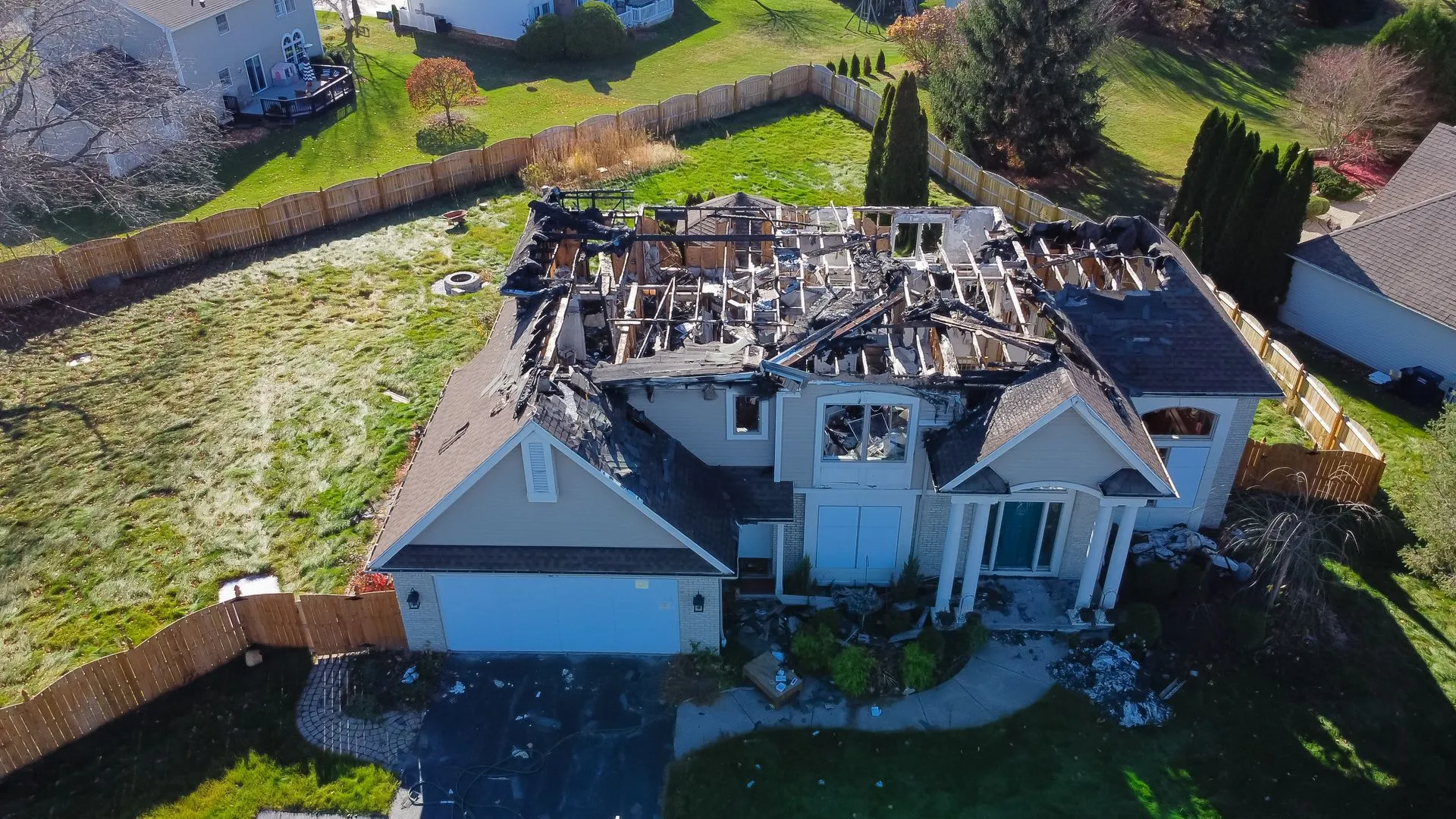
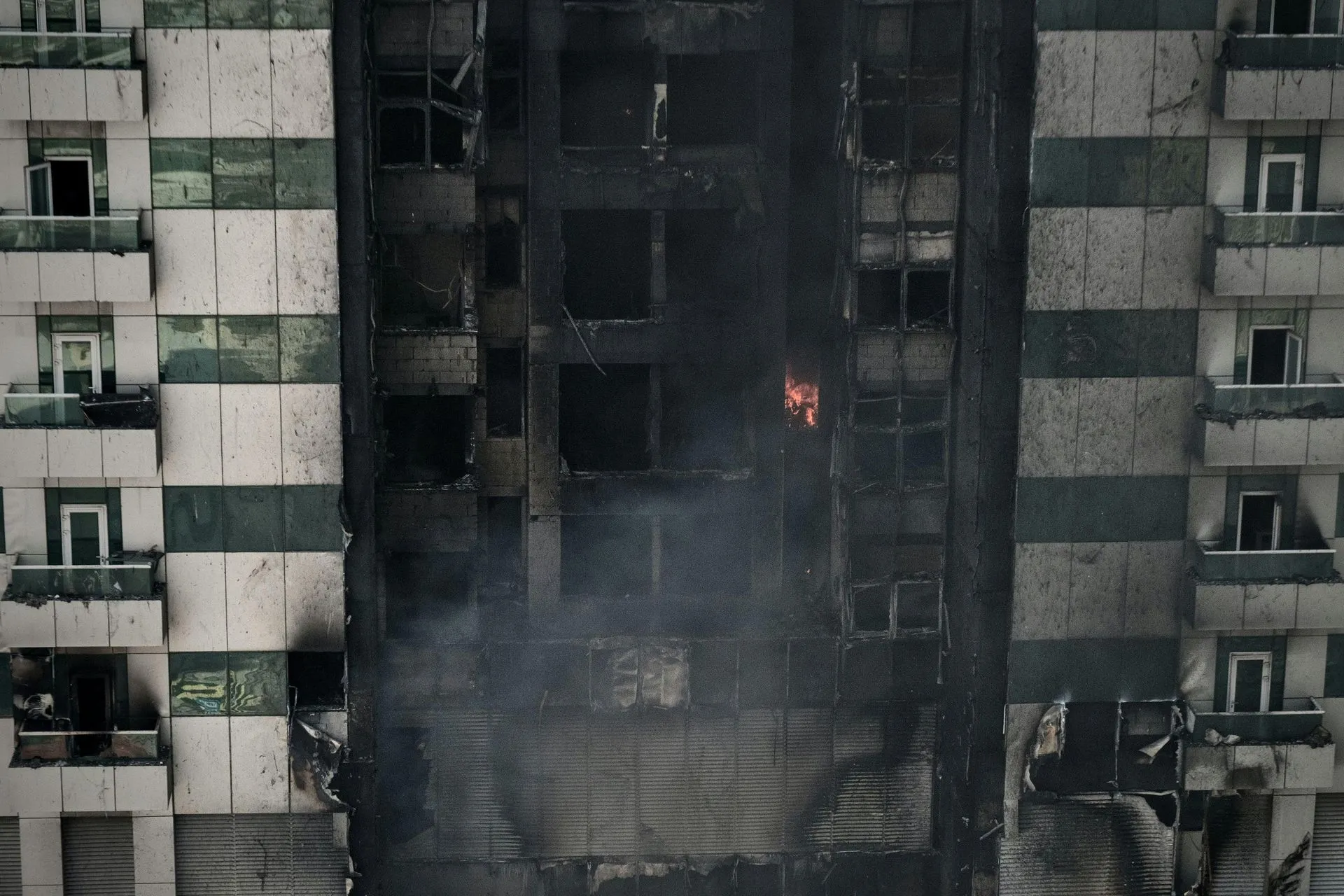
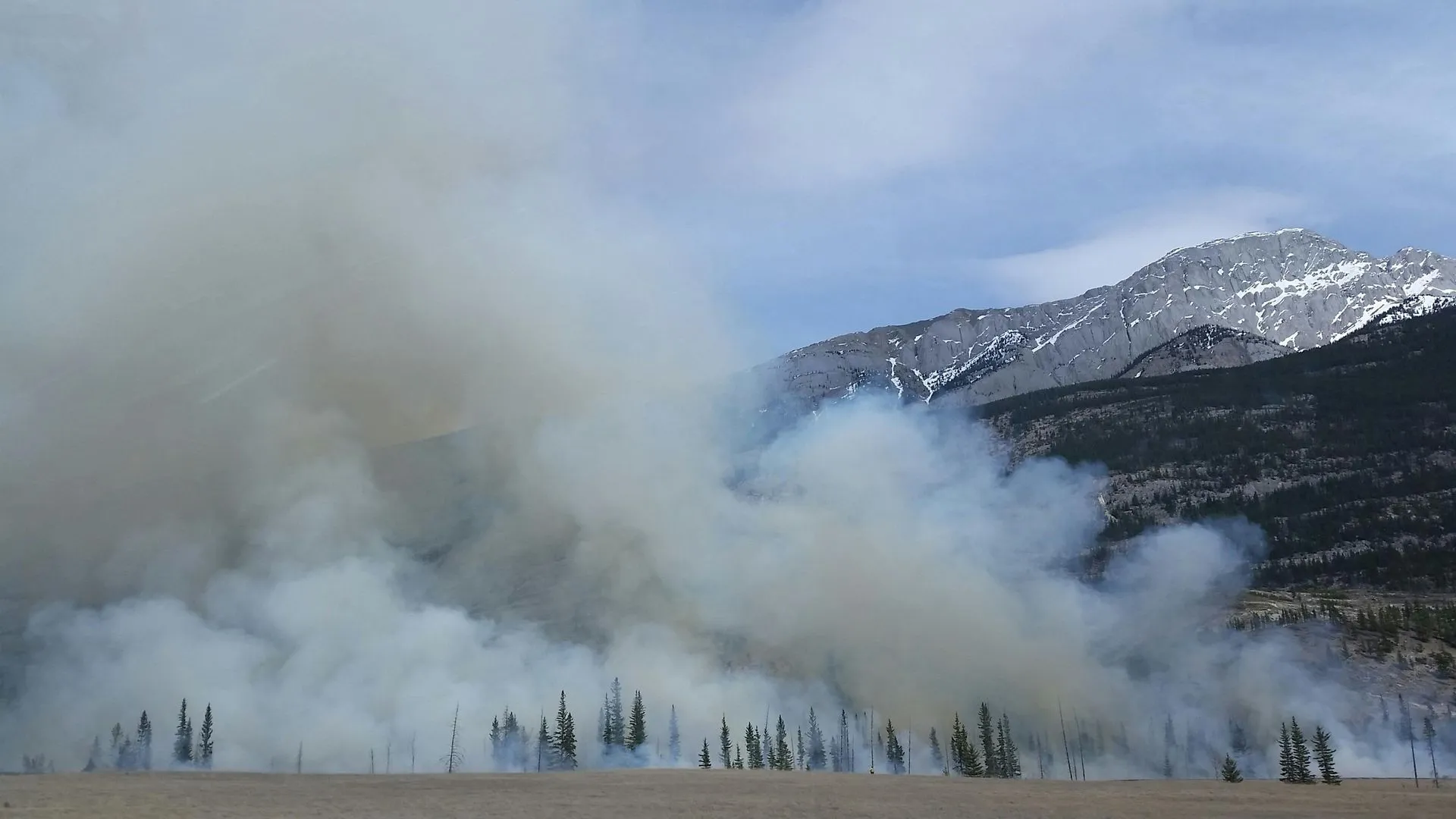
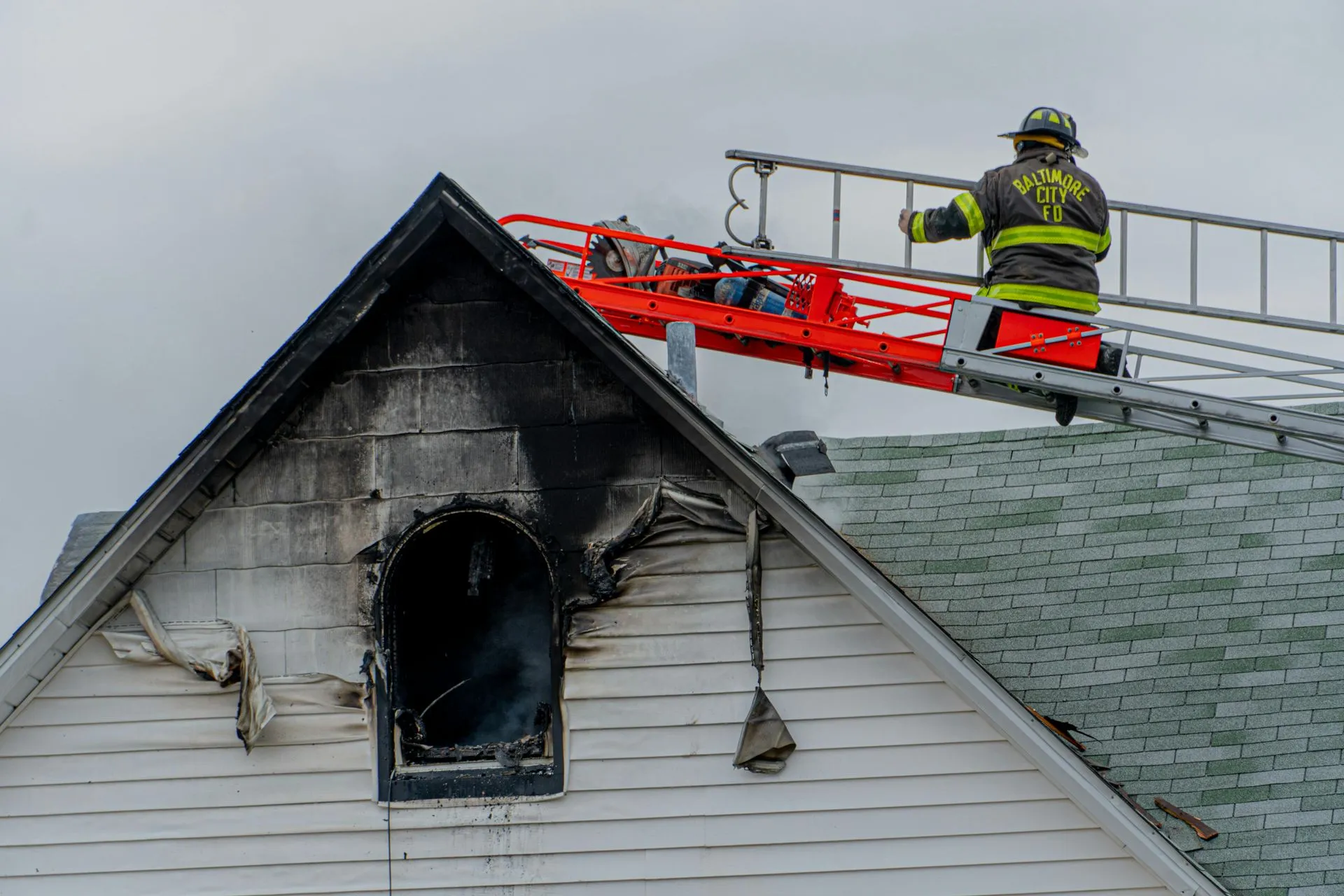
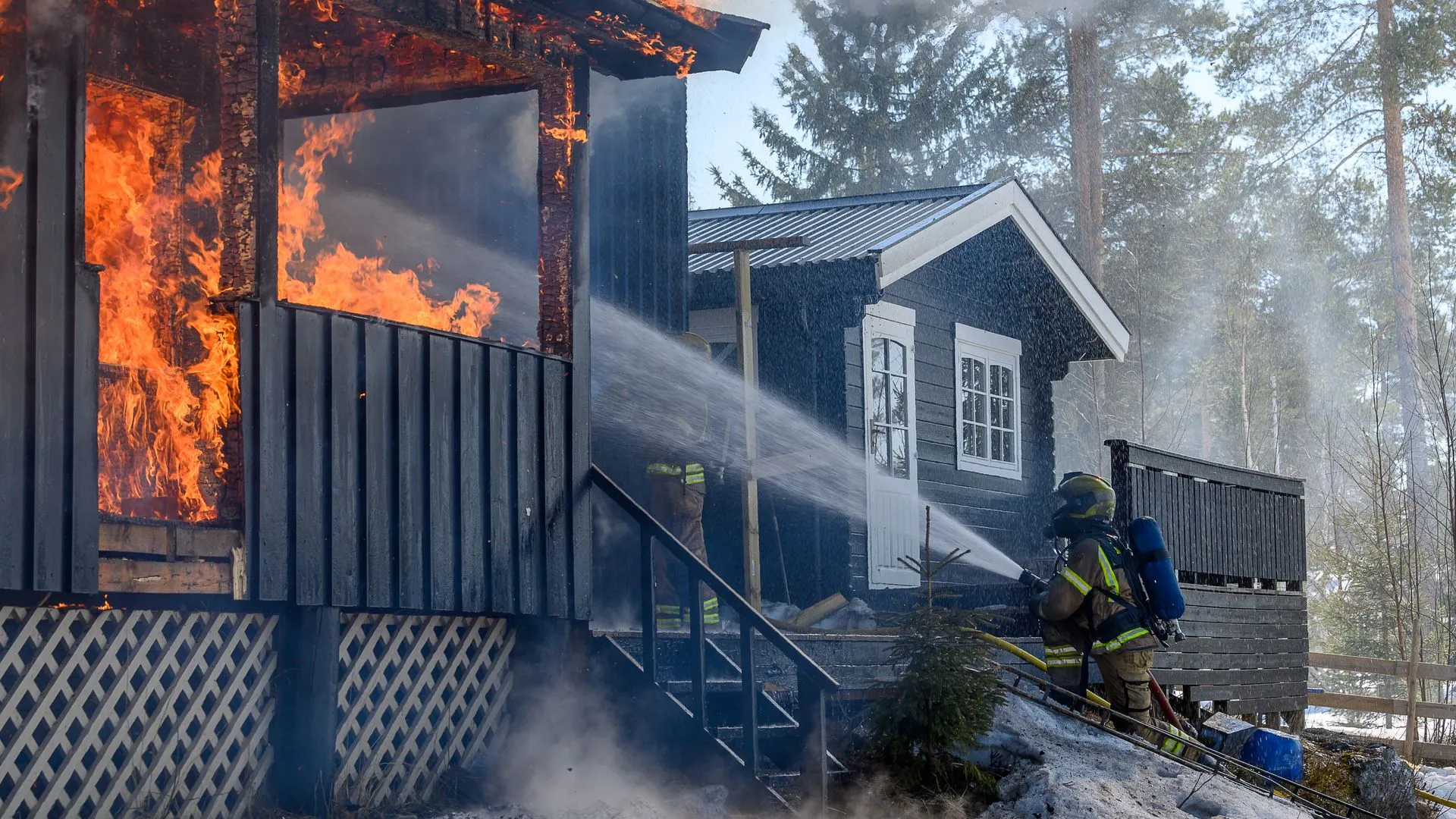
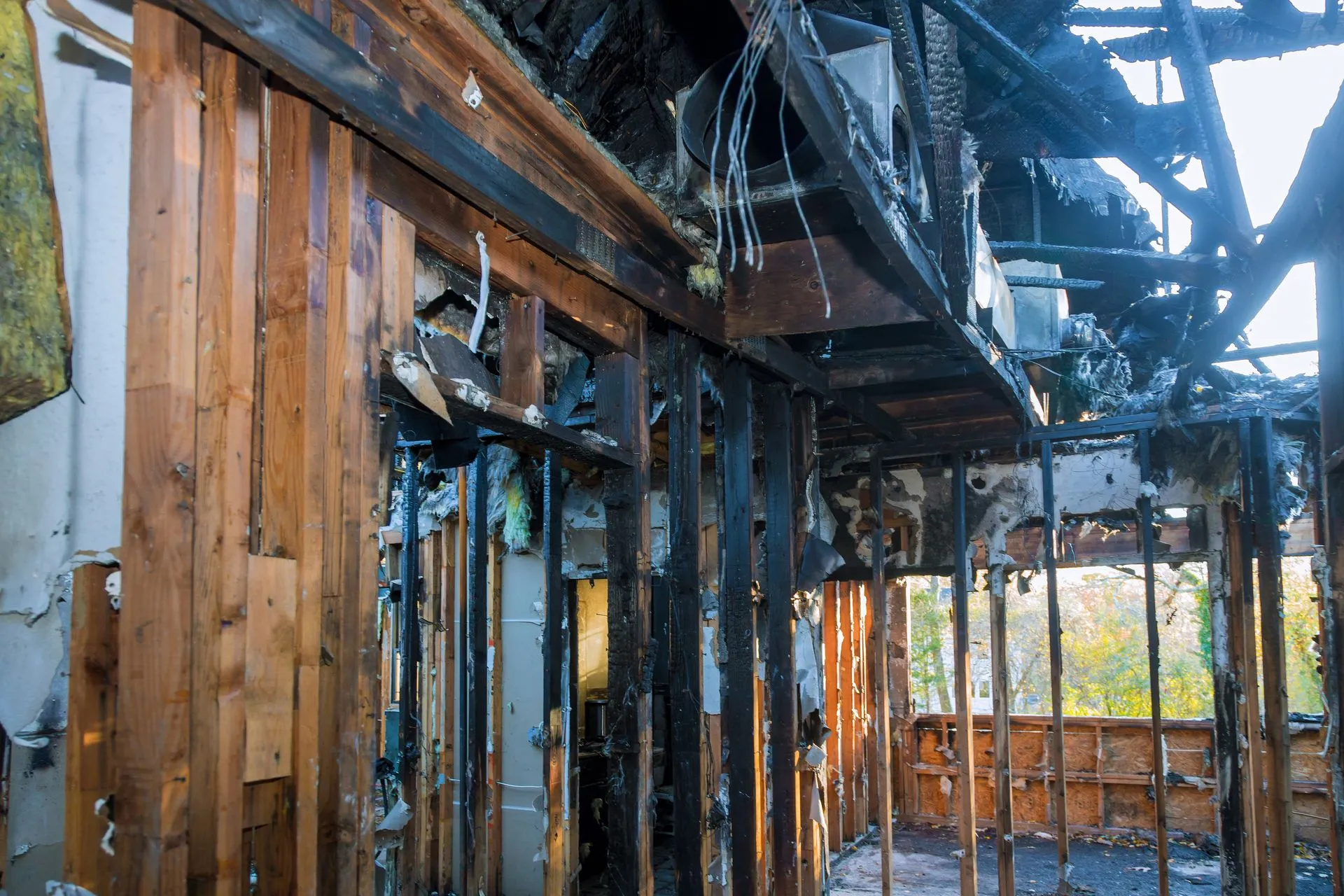
- Fire and smoke damage: Fires are costly not only for repairs but also for smoke cleanup and lost inventory.
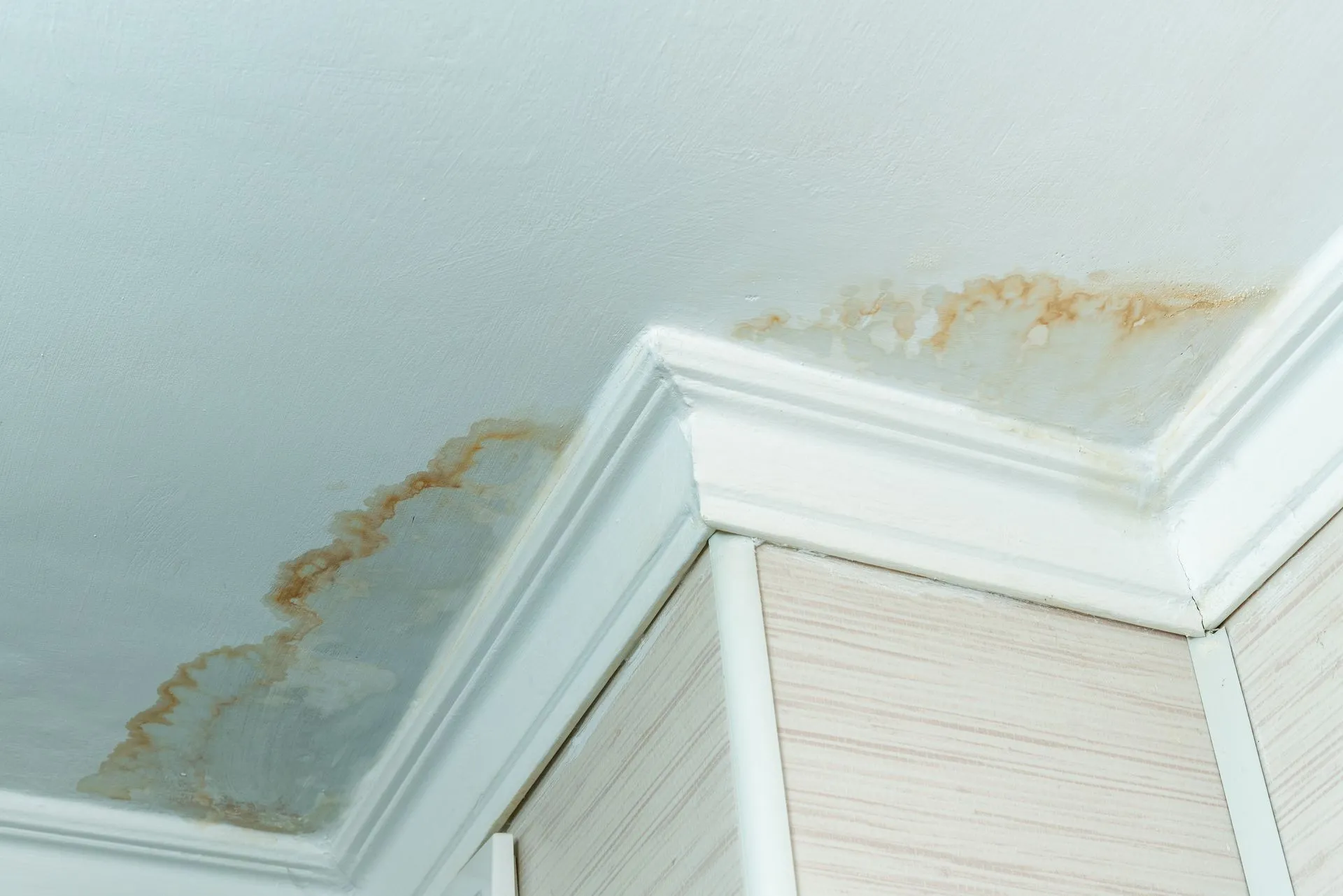
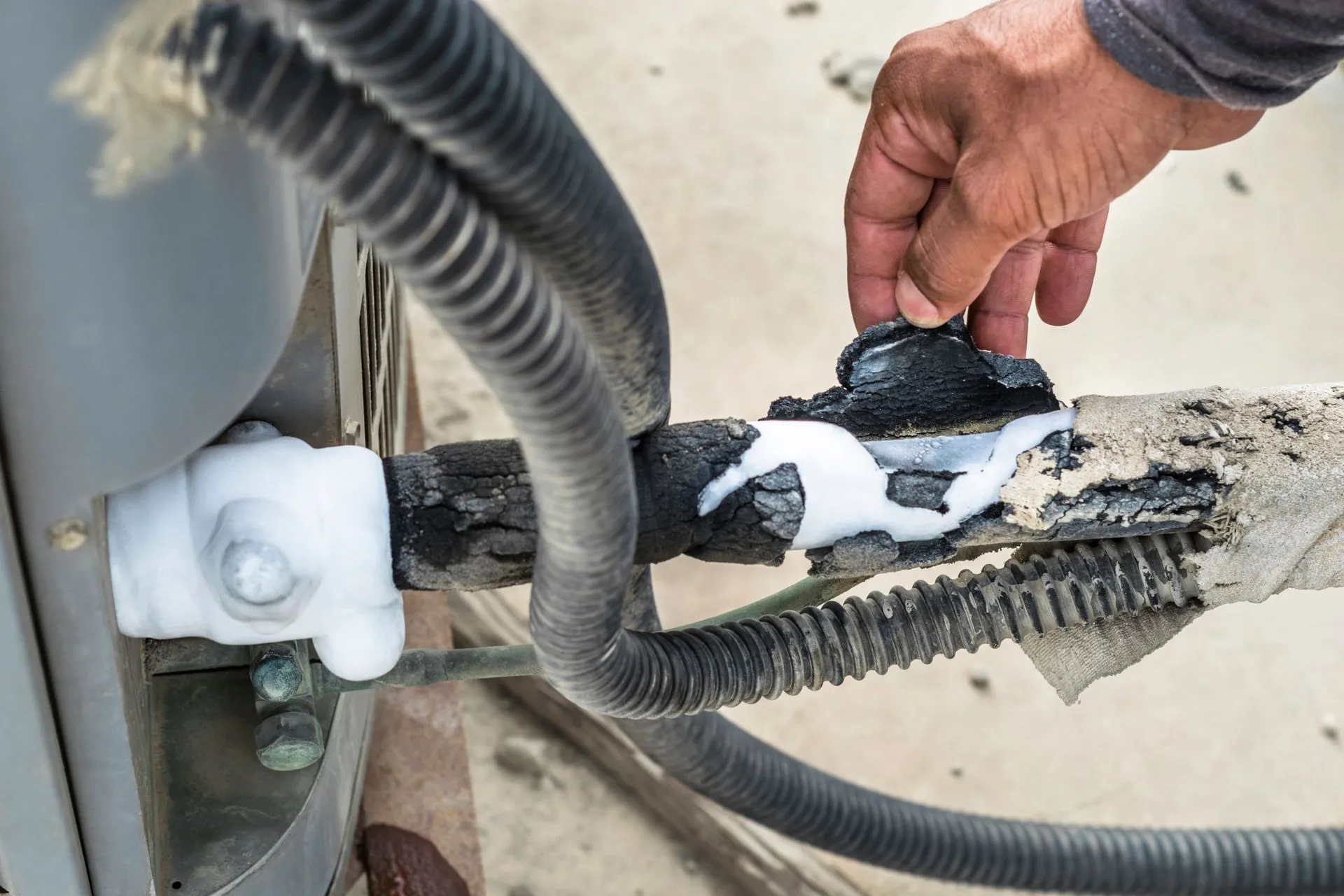
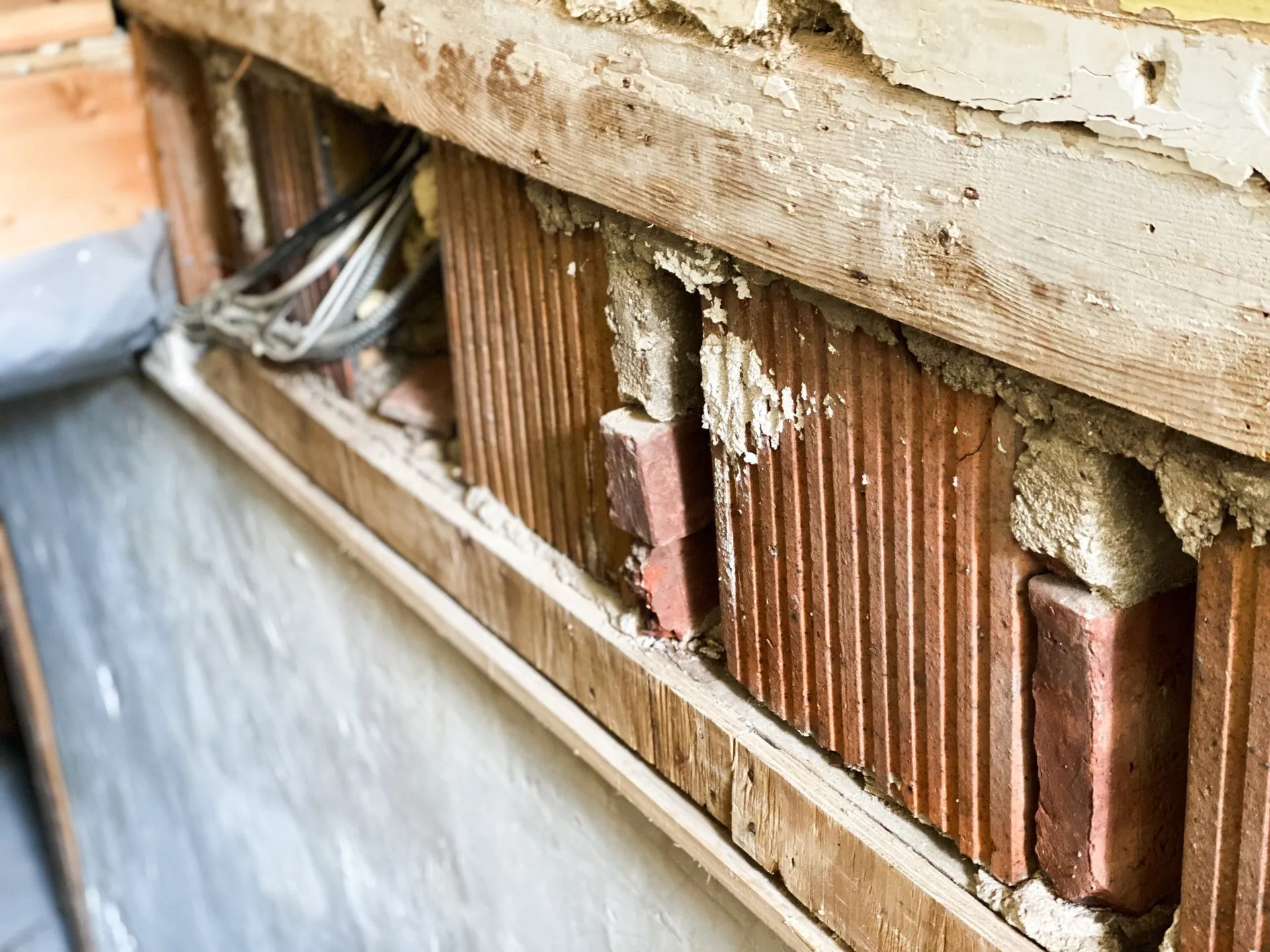
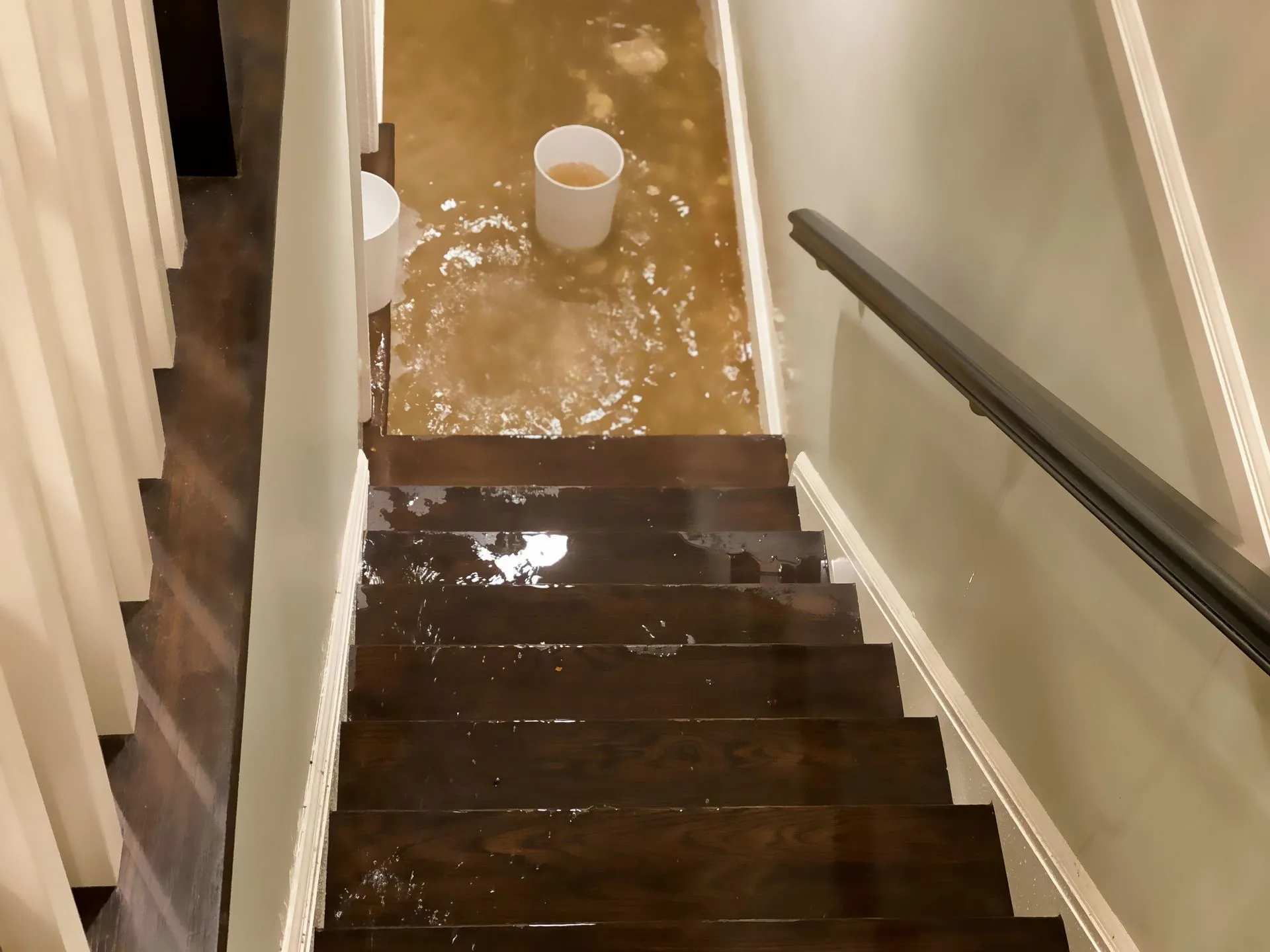
- Water damage: Leaks, burst pipes, and sprinkler system failures can disrupt operations and require professional remediation.
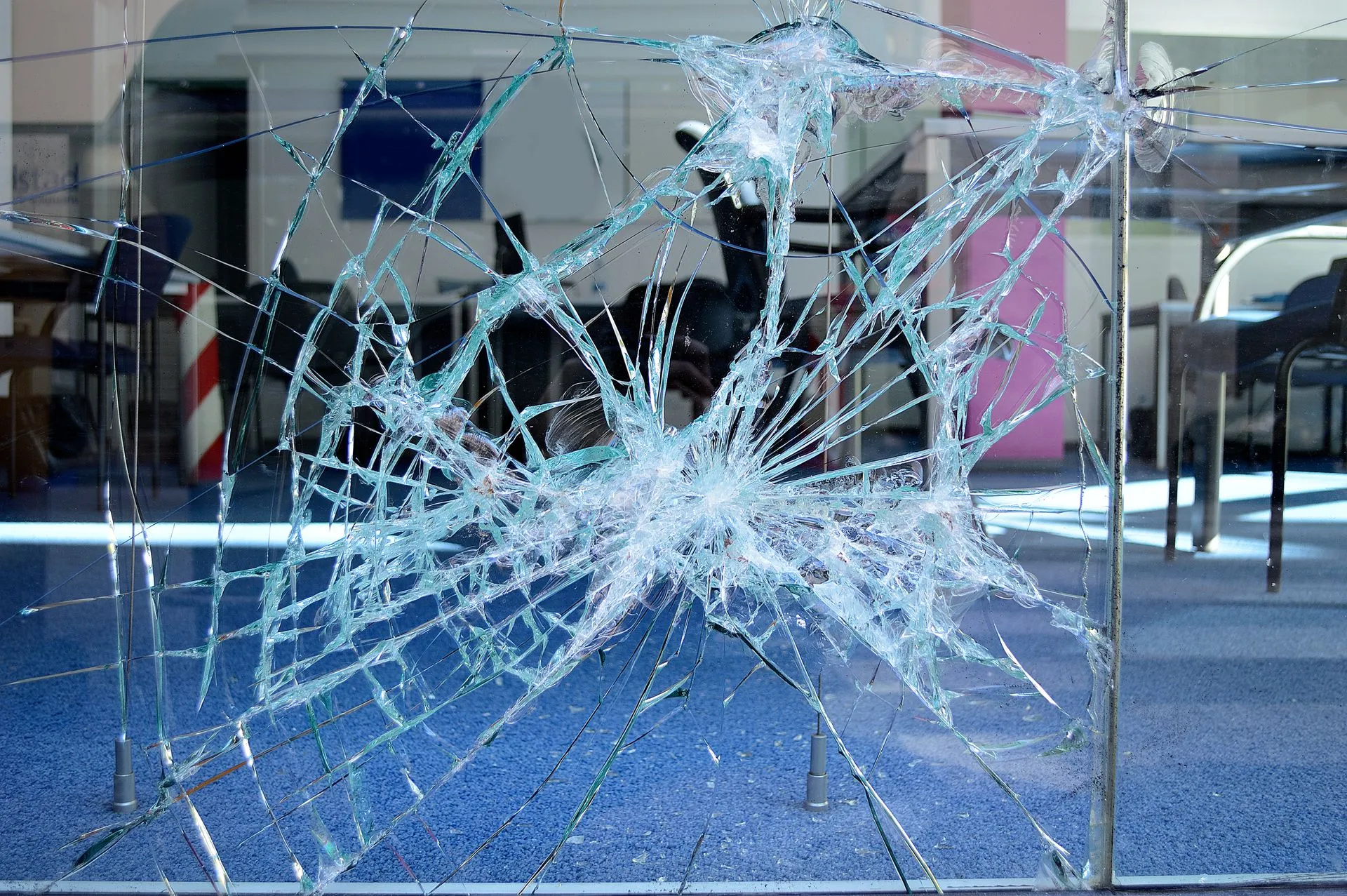
- Vandalism and theft: Stolen equipment or intentional property damage can affect both revenue and employee safety.
- Vehicle and equipment impact: Delivery trucks, forklifts, or customer vehicles can cause structural damage.
Understanding your policy coverage is critical. Some policies include business interruption or equipment coverage, while others require additional endorsements. Knowing your coverage helps prevent surprises when you file a
business property damage claim.
The Commercial Insurance Claim Process Explained
Filing a commercial insurance claim may feel overwhelming, but knowing the steps ahead of time reduces stress and increases the likelihood of a successful outcome.
Step 1: Document the damage
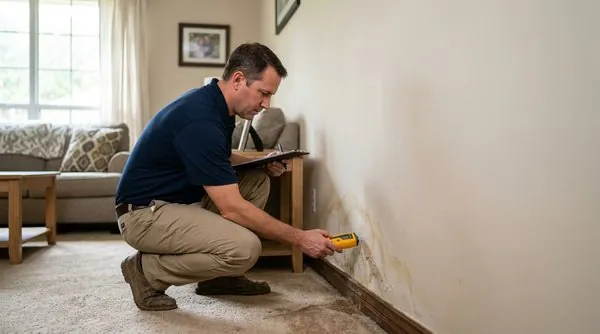
Before doing anything else, capture clear photos and videos of all affected areas. Include wide shots and close-ups, and document personal property, machinery, and inventory. Keep receipts for temporary repairs and expenses.
Step 2: Notify your insurer promptly
Most policies require you to report damage immediately. Delayed reporting can lead to denied claims or reduced payouts.
Step 3: Review your policy
Check your policy for covered events, deductibles, limits, and exclusions. Understanding your coverage ensures that you know what to expect and helps you present a strong case.
Step 4: Meet with the commercial insurance claim adjuster
An insurer will typically send a commercial insurance claim adjuster to inspect your property. Their role is to evaluate the damage from the insurance company’s perspective.
Step 5: Gather professional estimates
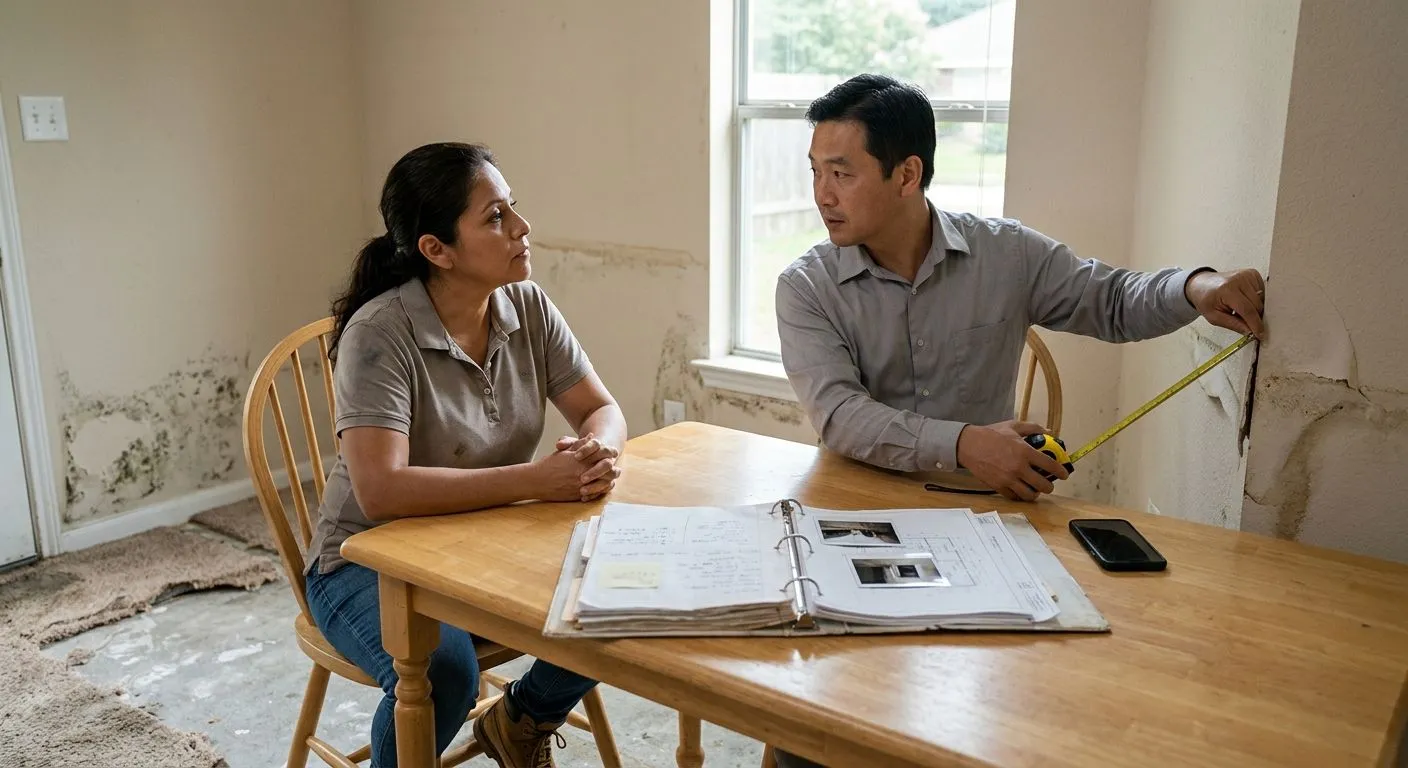
Collect estimates from contractors or repair specialists. Multiple estimates strengthen your position and provide supporting evidence during negotiations.
Step 6: Submit your claim
Provide all required documentation, photos, estimates, and detailed explanations to the insurer. Accuracy and completeness at this stage are crucial.
Step 7: Negotiate if necessary
If the insurance company offers less than your documented damages, negotiation is often required. A public adjuster can help advocate for a fair settlement.
Following these steps carefully increases the chance that your
business property damage claims are processed efficiently and fairly.
Common Mistakes Business Owners Make When Filing Claims
Even experienced business owners can make errors that slow down or reduce insurance payouts. Recognizing these mistakes beforehand can save time and money.
Mistake 1: Incomplete documentation
Missing photos, receipts, or contractor reports weakens your claim. Always keep comprehensive records and backup copies.
Mistake 2: Misunderstanding policy language
Insurance policies can be dense and technical. Misinterpreting terms like "sudden damage" versus "gradual damage" can result in denied claims.
Mistake 3: Delaying reporting
Filing late, even by a few days, may give the insurer a reason to question your claim.
Mistake 4: Accepting lowball offers
Insurers often undervalue damage estimates. Verify all calculations, especially for equipment replacement and business interruption costs.
Mistake 5: Not using professional assistance
Handling a complex commercial insurance claim alone increases the chance of errors. A public adjuster can guide you through the process and ensure you receive full compensation.
Avoiding these pitfalls makes the difference between a smooth claim experience and a drawn-out dispute.
Why Hiring a Public Adjuster Helps With Commercial Insurance Claims
A public adjuster works for you, not the insurance company. This is important because insurance companies have teams trained to minimize payouts. Public adjusters ensure that your claim is fully documented, accurately valued, and properly submitted.
Benefits of working with a public adjuster
- Accurate damage assessment: Adjusters evaluate your property and losses objectively.
- Policy interpretation: They understand complex insurance language and know how to argue your case.
- Maximizing compensation: Public adjusters can negotiate settlements that reflect the full value of your damages.
- Faster claims resolution: Professionals can help avoid delays caused by paperwork errors or miscommunication.
- Peace of mind: You can focus on running your business instead of battling the insurance company.
Business owners who partner with public adjusters often recover more than those who file claims independently.
Tips for Strengthening Your Commercial Insurance Claim
Even if you hire a public adjuster, being proactive as a business owner helps streamline the process.
Key strategies
- Keep maintenance records: Insurers scrutinize your upkeep history to avoid claiming negligence.
- Maintain updated inventory lists: Include serial numbers, receipts, and photos.
- Document everything after damage occurs: Videos, logs, and witness statements can make a difference.
- Get professional repair estimates quickly: Waiting can allow damage to worsen or evidence to degrade.
- Stay organized: Keep a dedicated folder for claim documents, emails, and receipts.
Preparedness reduces the chance of disputes and strengthens your case for
business property damage claims.
Maximize Your Commercial Property Insurance Claims in Houston, TX
Call Nuclaim, Inc. for Professional Commercial Insurance Claims Assistance
If your business property suffers damage, filing a commercial insurance claim can feel overwhelming. Nuclaim, Inc. Public Adjusters specializes in commercial insurance claims, business property damage claims, and working directly with commercial insurance claim adjusters to ensure your claim is processed accurately. Our experienced team advocates for business owners throughout Houston and the surrounding areas.
In addition to commercial property claims, we also provide support for
storm damage claims,
underpaid business insurance claims, and
insurance dispute resolution. Call
713-999-2529 today to get expert help and ensure your business property receives the compensation it deserves.
FAQ
How long does a commercial insurance claim take?
Claims can take a few weeks to several months depending on complexity and documentation.
What is the role of a commercial insurance claim adjuster?
The adjuster inspects the property, evaluates damage, and provides an estimate on behalf of the insurance company.
Can a public adjuster increase my payout?
Yes, they identify overlooked damages and negotiate for fair settlement values.
Should I hire a public adjuster for small claims?
Even smaller claims benefit from professional oversight to avoid underpayment.
What types of business property damage are most commonly covered?
Storms, water leaks, fire, vandalism, and equipment impacts are often covered depending on your policy.