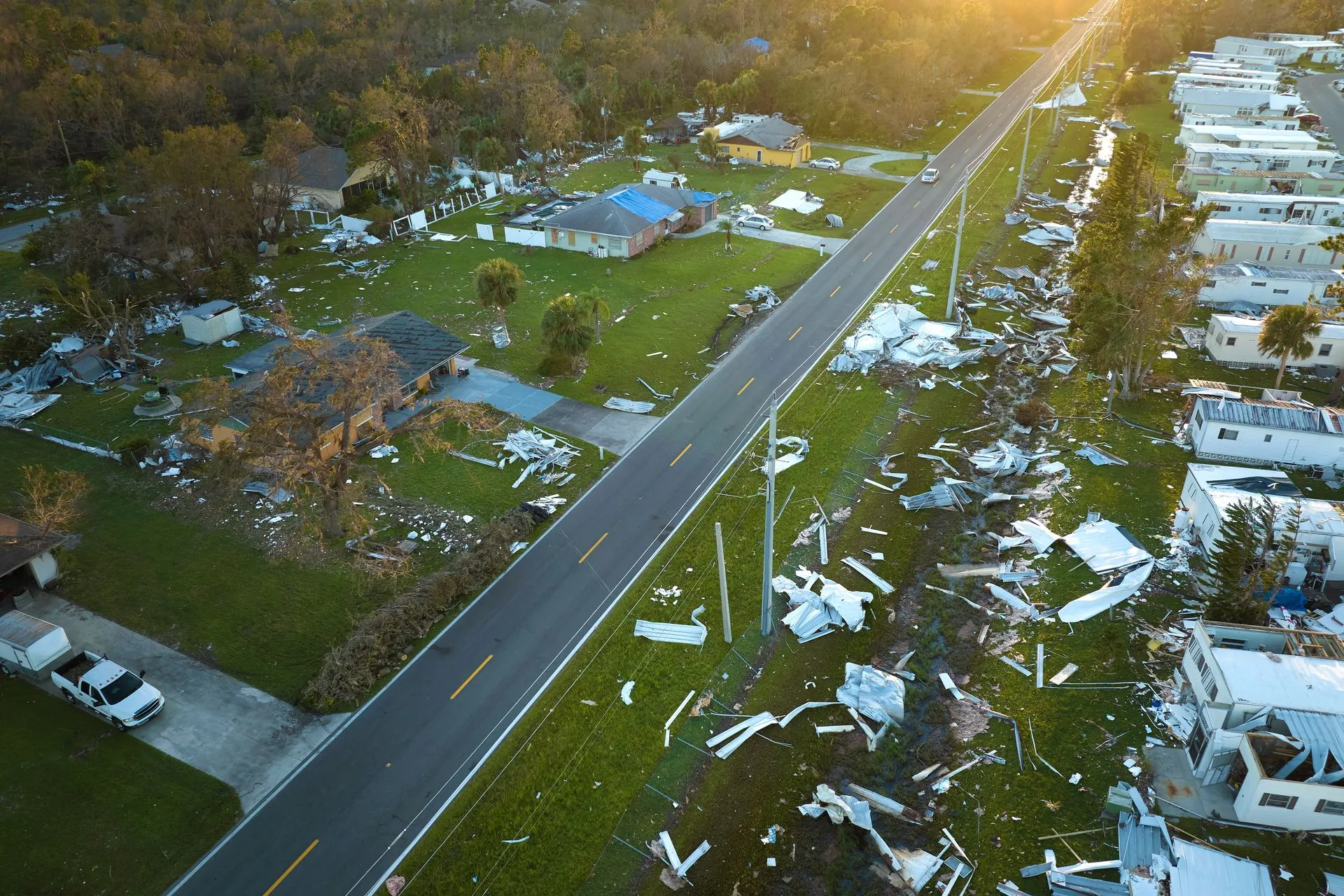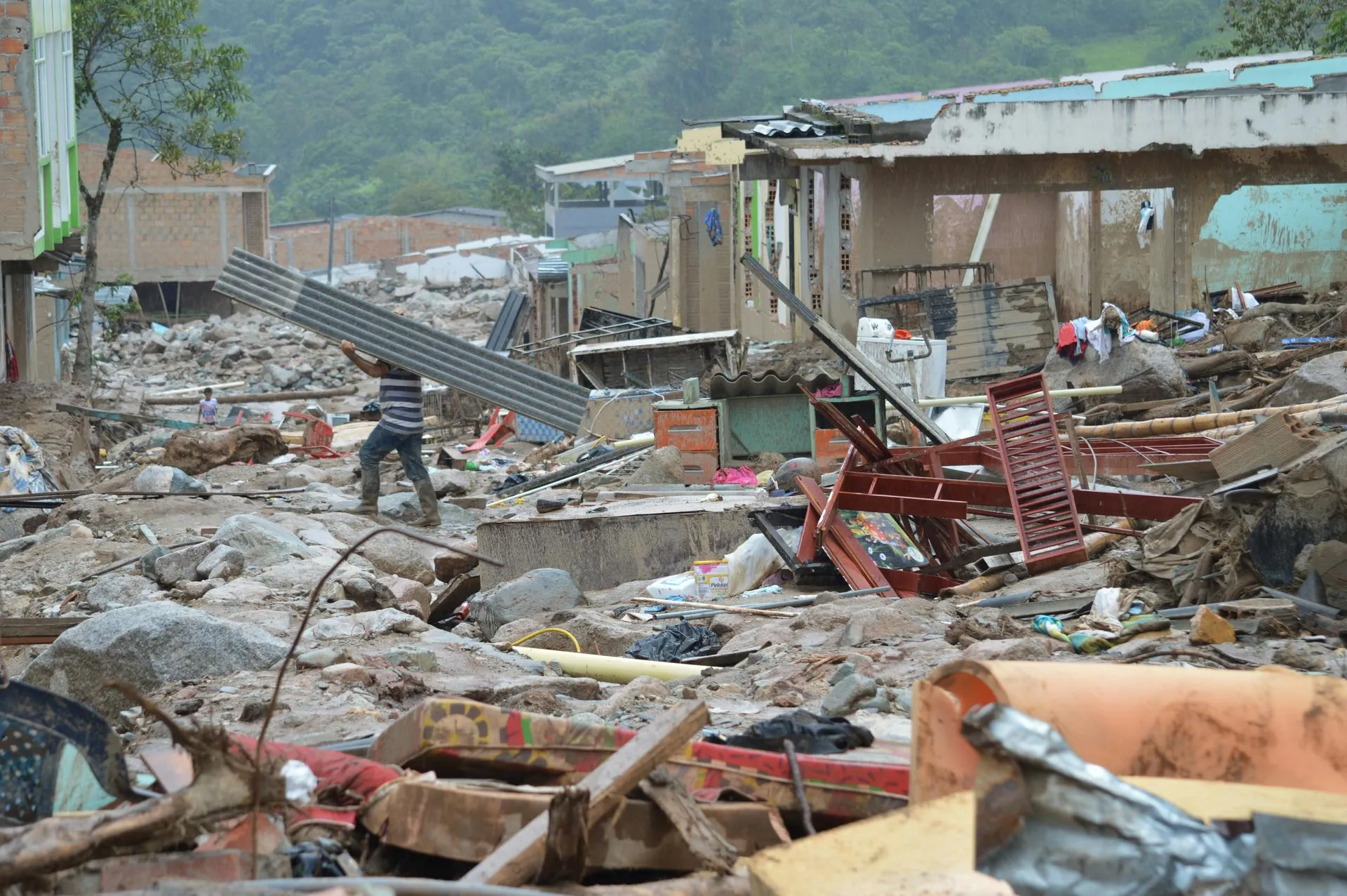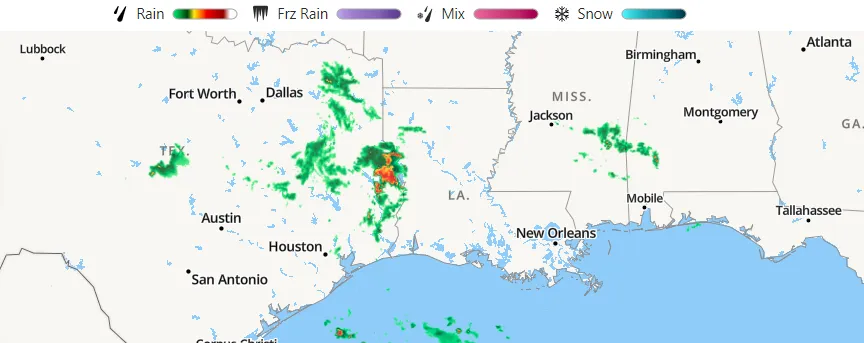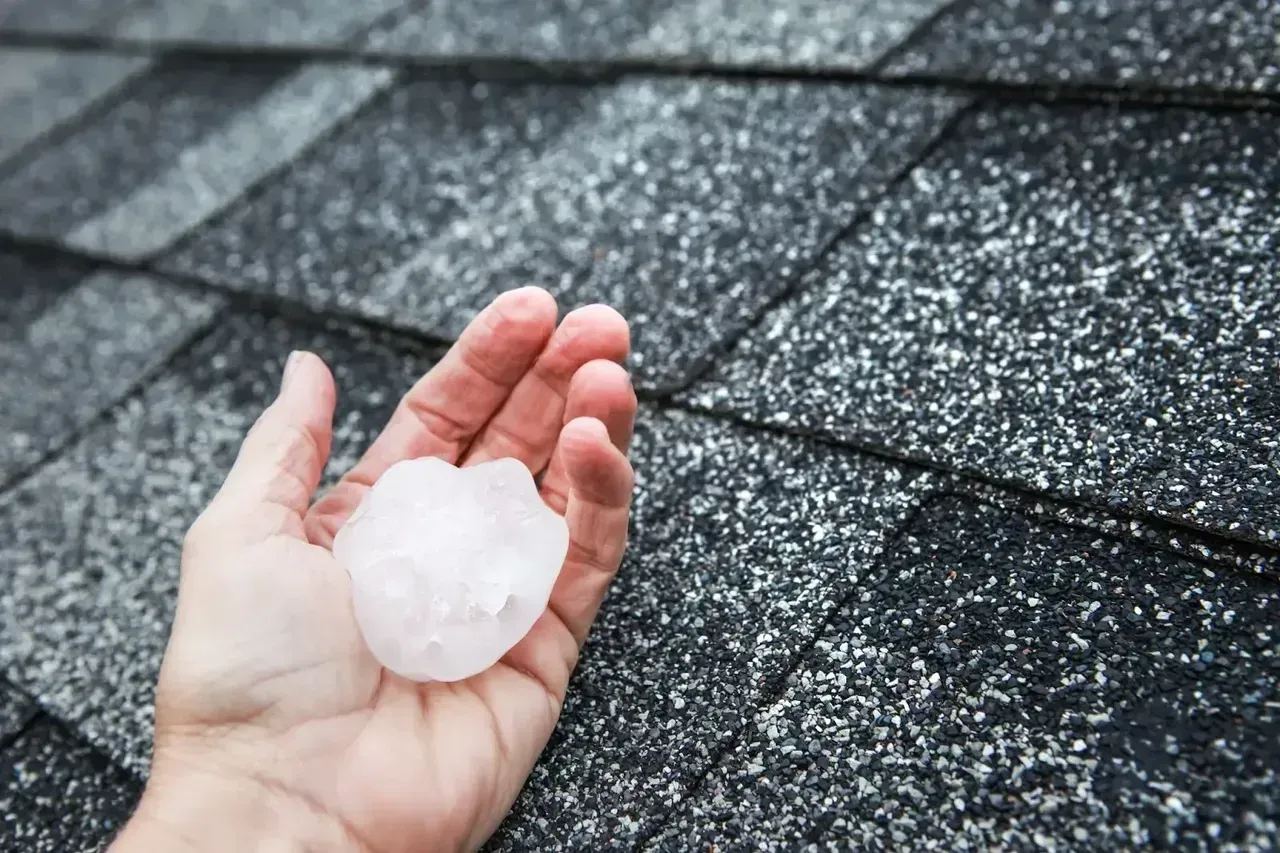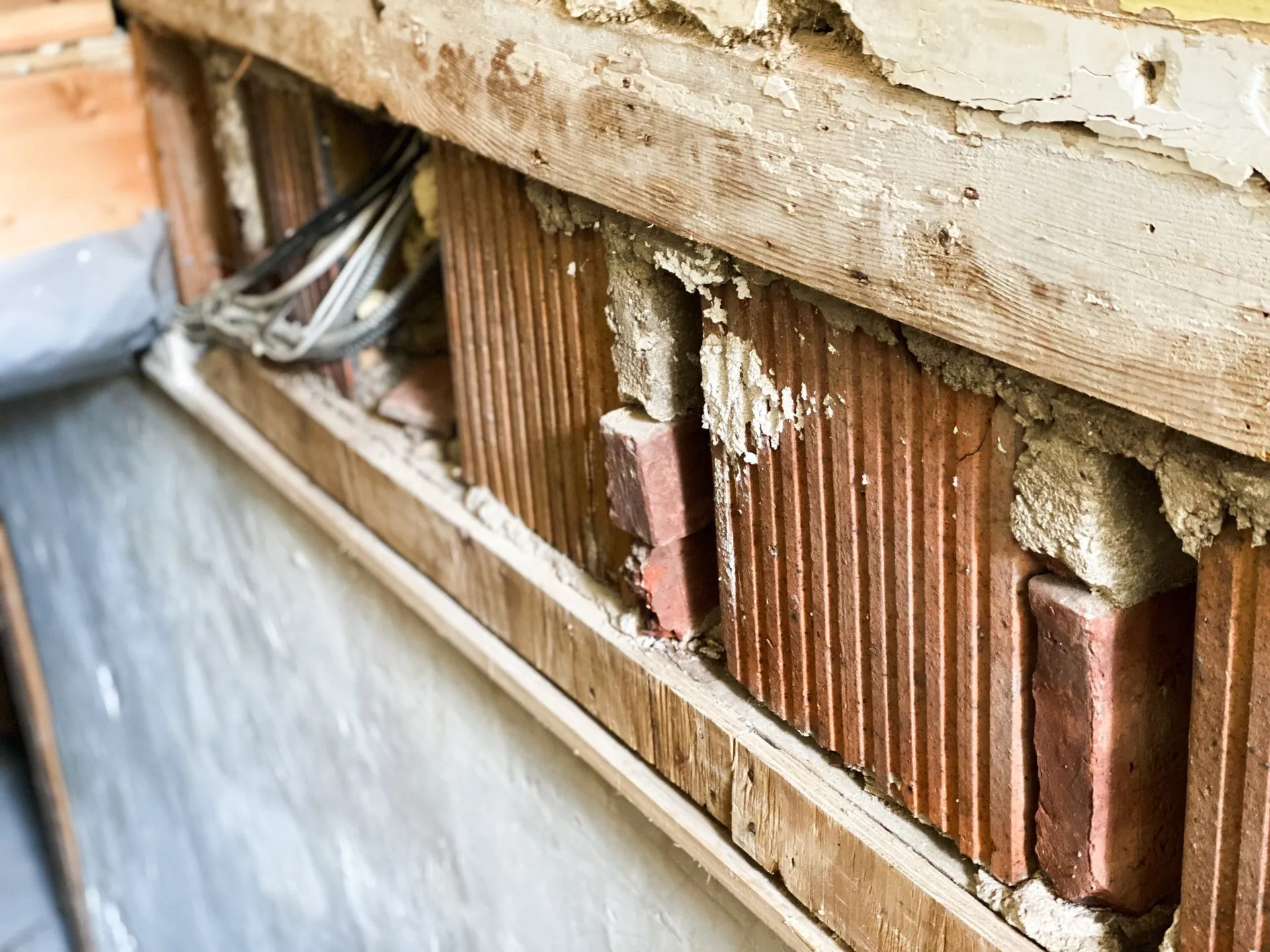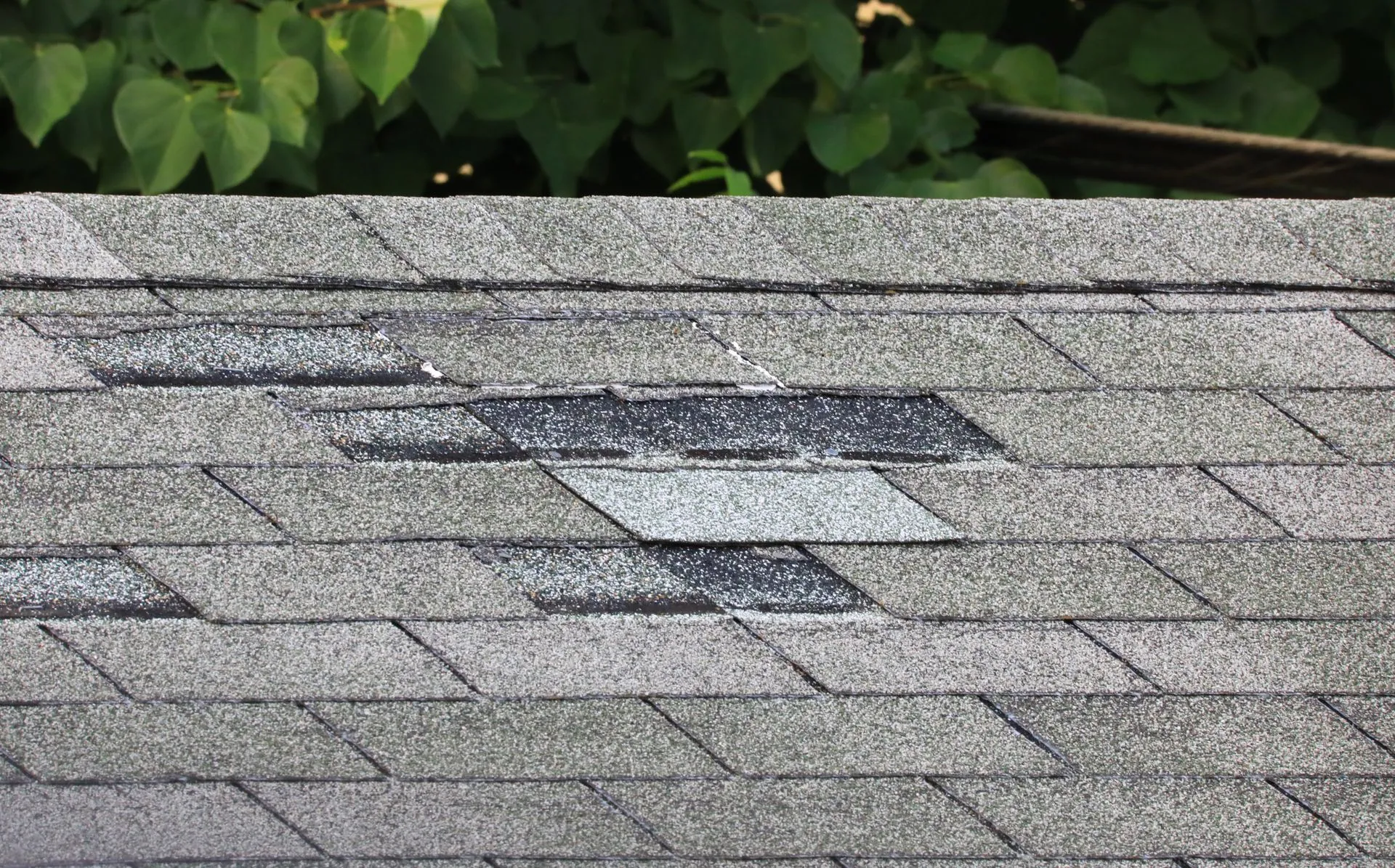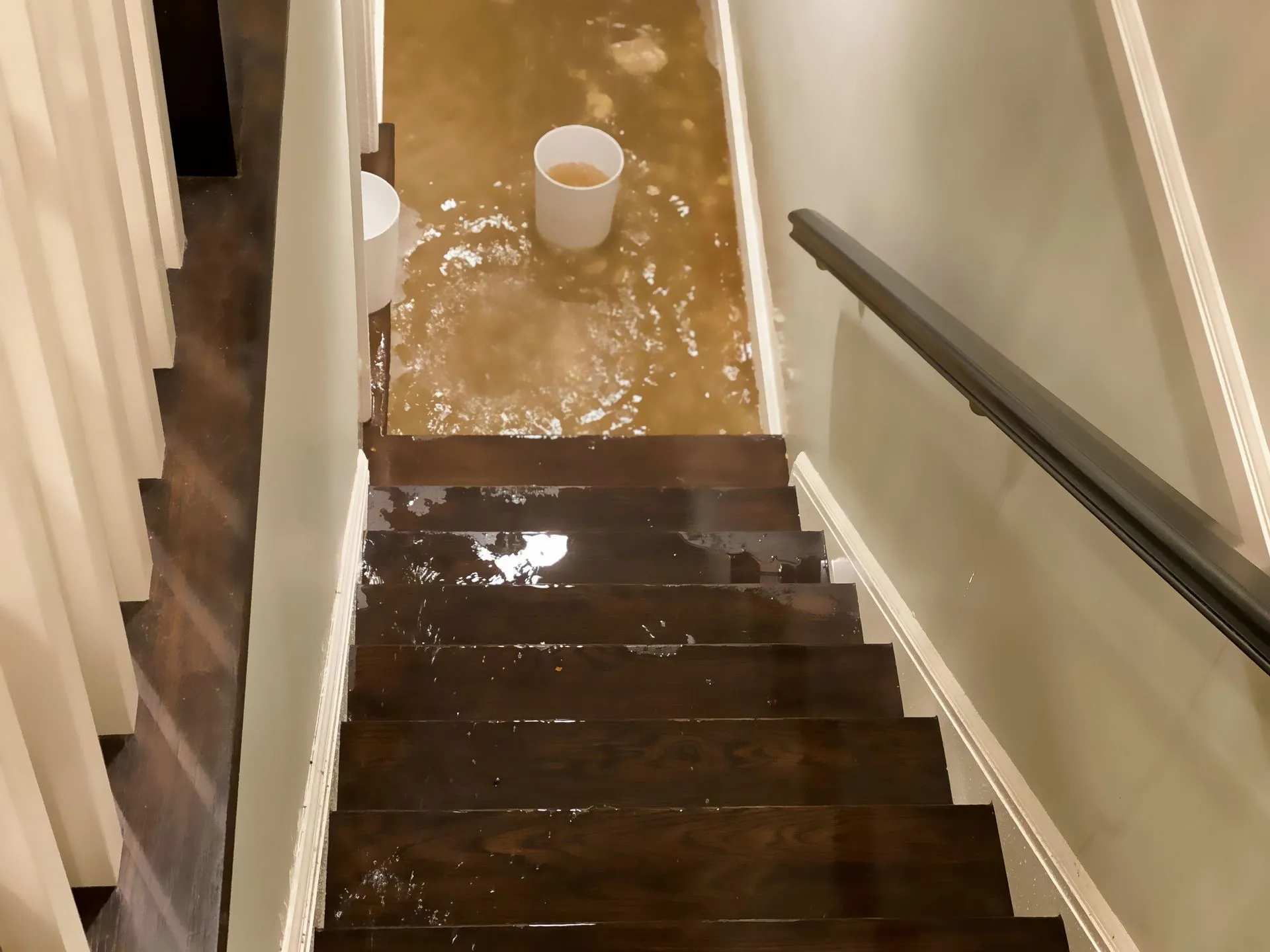

Houston sits in one of the most hurricane-vulnerable corridors in the nation. According to FEMA's National Risk Index, Houston holds the highest risk score in the entire country for hurricane damage. Filing a claim after a storm should be straightforward. It rarely is.
Nuclaim, Inc. Public Adjusters works exclusively on behalf of policyholders, not insurance carriers. That distinction matters enormously when you're staring down a lowball settlement offer after a major storm.


Why Houston Hurricane Claims Are So Hard to Win in 2026
Insurance companies have quietly restructured their policies to make payouts harder to obtain. Most standard Texas homeowner policies now require percentage-based deductibles for wind and hurricane damage. These deductibles range from 1% to 5% of a home's total dwelling limit.
Here's the math that catches most homeowners off guard. On a $500,000 home, a 3% hurricane deductible means $15,000 comes out of your pocket before the insurer pays a single dollar. Insurers know this. Their adjusters are trained to produce estimates that fall just under your deductible threshold.
That is not an accident. It is a strategy.
The Denial and Underpayment Problem
Hurricane damage claims in Houston face staggering pushback from carriers. Recent investigative data shows that nearly 47% of all homeowner insurance claims filed in Texas are closed without any payment at all. Almost half.
Carriers rely on several tactics to make this happen:
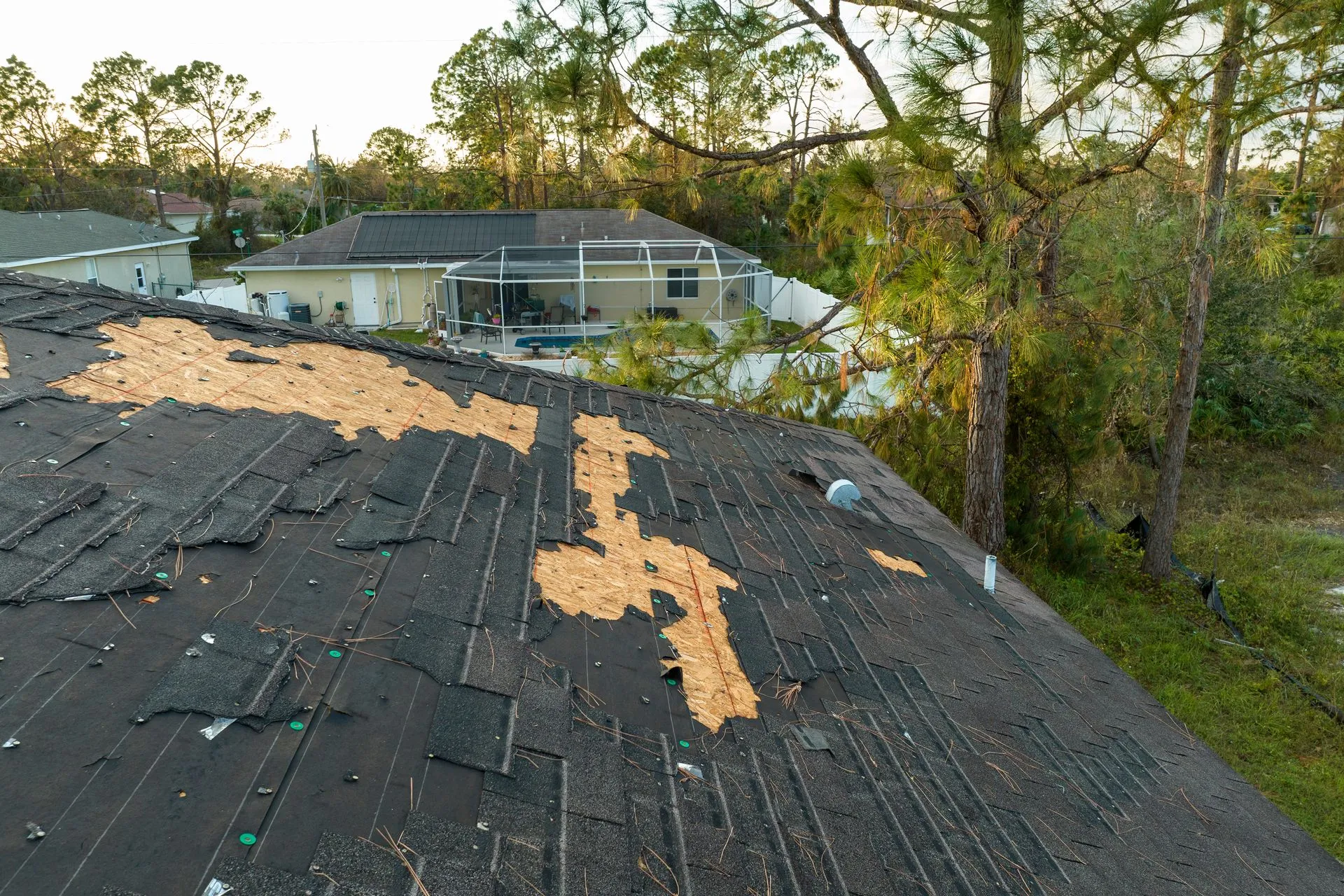
- Labeling storm-driven roof damage as "wear and tear"
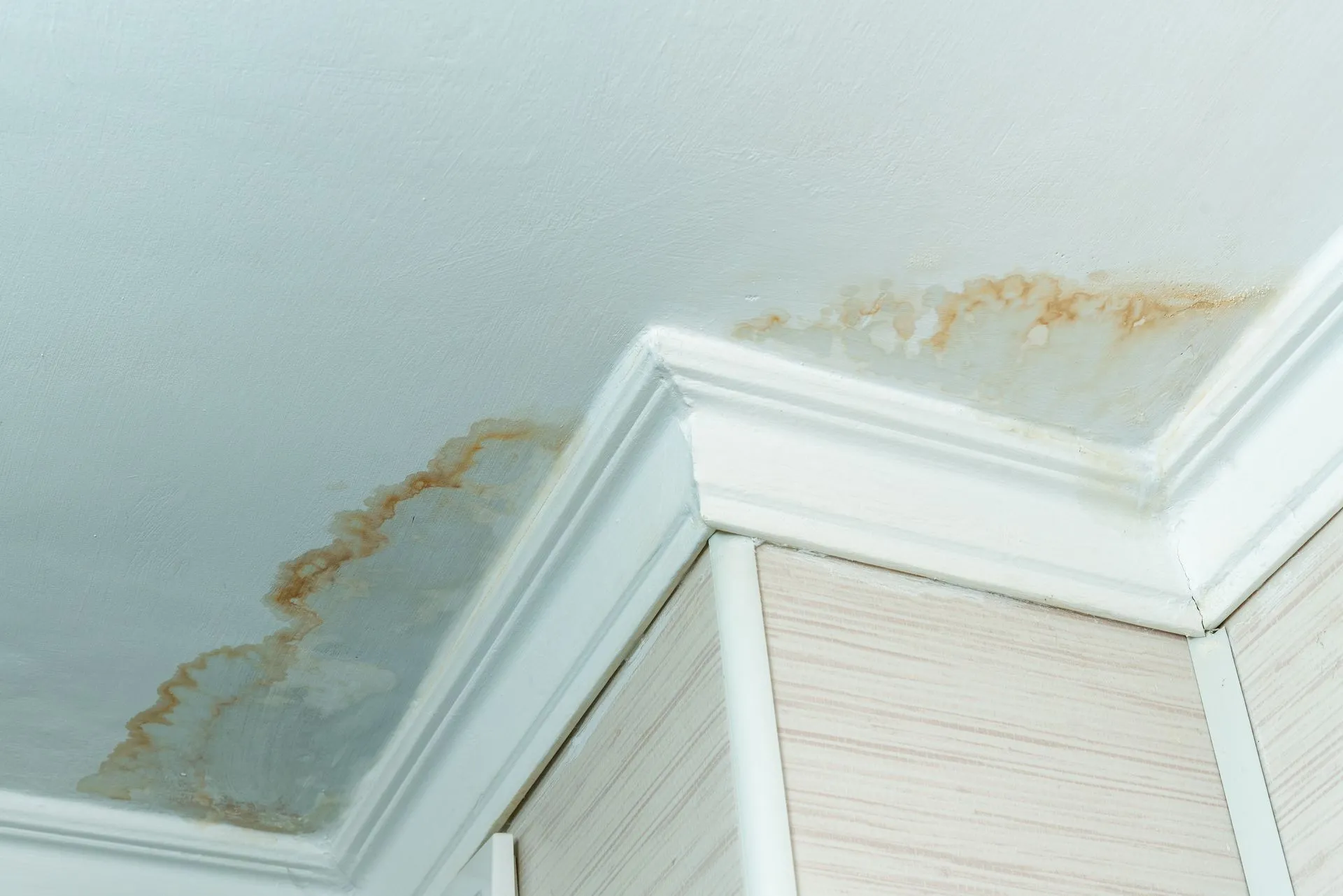
- Attributing water intrusion to "pre-existing maintenance issues"
- Using automated estimating software that undervalues local Houston labor and material costs
- Producing repair estimates that conveniently fall beneath high deductible thresholds
A denial letter from your insurer is not the final word. It often marks the beginning of a recoverable situation, if you have the right representation.
What a Public Adjuster Does That Your Carrier's Adjuster Won't
Your insurance company sends their own adjuster to inspect your property. That adjuster works for the insurer. Their job is to protect the carrier's financial interest, not yours.
A public adjuster works for you alone. The difference in outcomes can be dramatic. Here is what a public adjuster brings to a hurricane damage claim:
- Independent roof and structural inspection using licensed contractors and current Houston material pricing
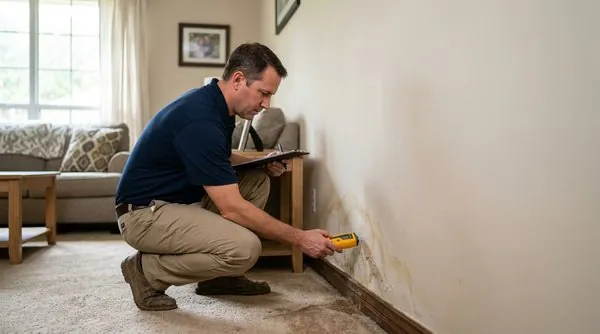
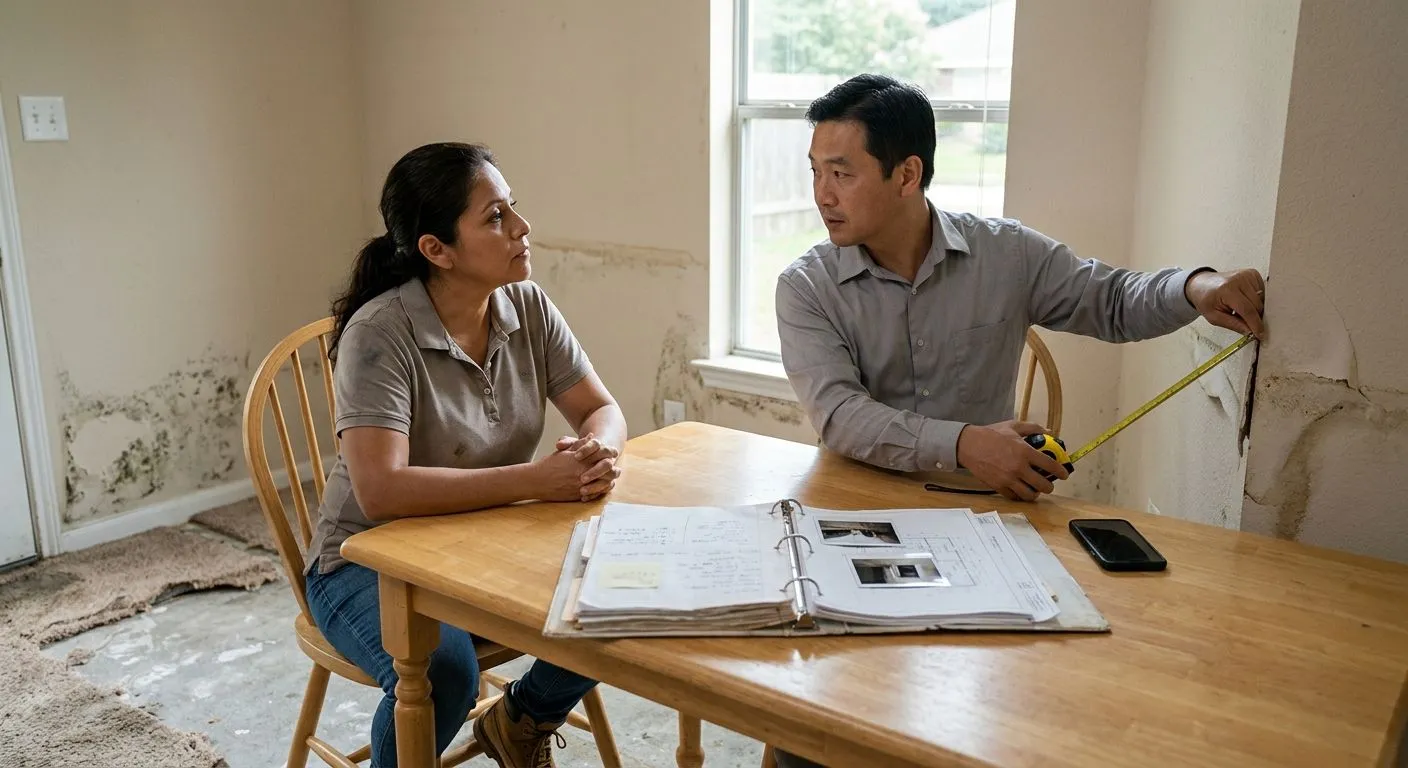
- Detailed damage documentation that stands up to carrier scrutiny, including photo evidence, moisture readings, and scope-of-loss reports
- Policy review to identify every coverage provision the carrier may have overlooked or misapplied
- Claims management from initial filing through final settlement, including direct negotiation with the carrier
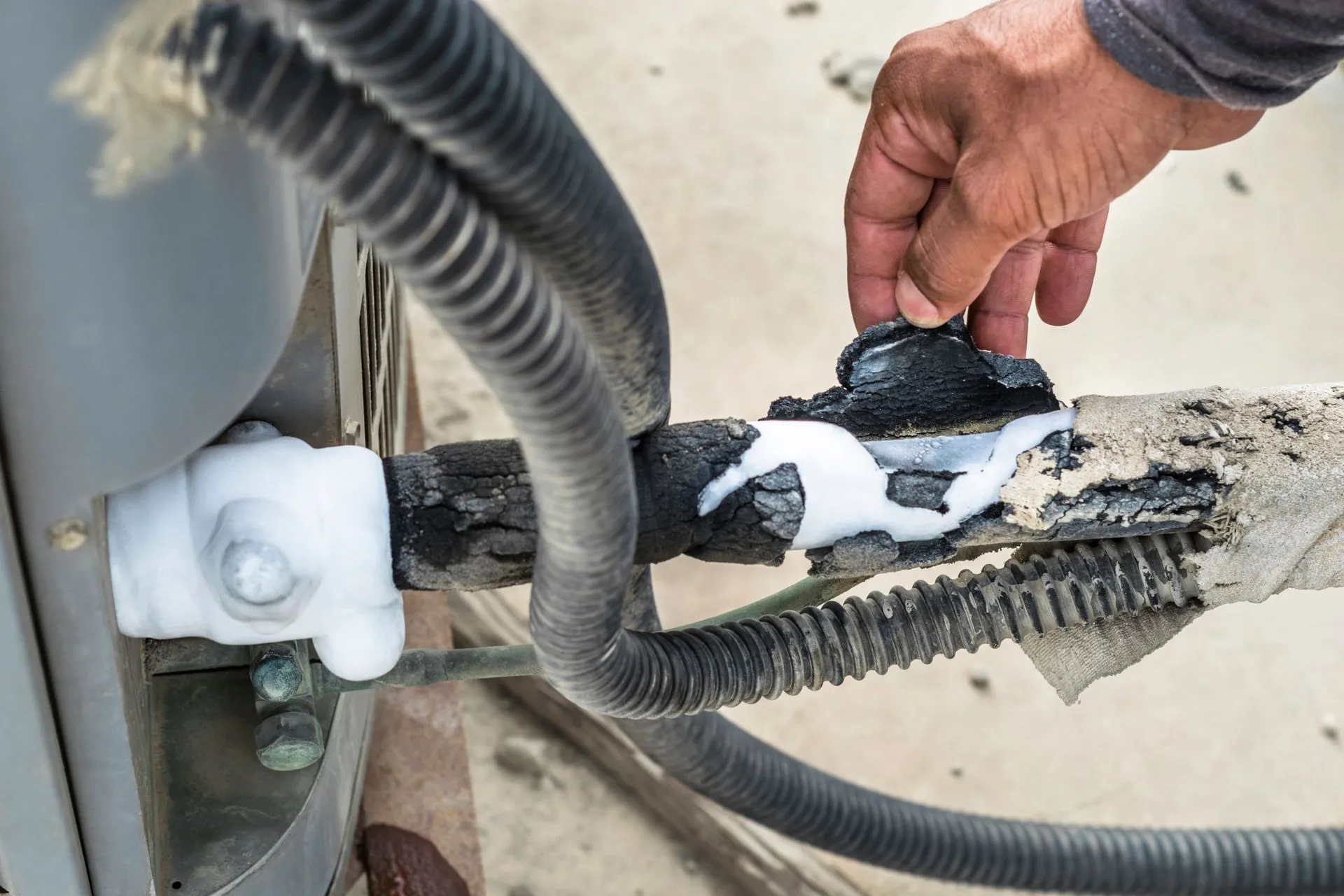
This process is especially critical when damage spans multiple systems: roof, siding, windows, interior ceilings, and HVAC. Insurers love to separate interconnected damage into isolated line items to reduce payout totals. A skilled public adjuster reconstructs the full picture.
The 2026 Appraisal Ruling Changes Everything
Many Houston homeowners believe a lawsuit is the only path forward after an underpaid or denied hurricane damage claim. Litigation is expensive. It takes years. There is a better option.
In mid-2026, the Texas Supreme Court issued a landmark ruling in In re Ace American Insurance Co. that reaffirmed policyholders' broad contractual right to invoke the appraisal process. Crucially, the court ruled that insurers cannot use disputes over coverage or causation to block or delay appraisal.
This is a powerful tool. Appraisal resolves the dollar amount of damage through independent evaluators, bypassing the courtroom entirely. Public adjusters frequently serve as independent appraisers in this process, helping clients reach fair settlements in a fraction of the time a lawsuit would require.
Seasonal Reality: September Hurricane Threat in Houston
September sits squarely in the peak of Atlantic hurricane season. Gulf Coast storms that develop strength over warm late-summer waters can make landfall with very little warning. Houston and the surrounding region, including communities near Lake Charles and the greater Gulf Coast corridor, face elevated risk every single September.
After a storm passes, time works against the policyholder. Carriers want you to accept a quick, low settlement before you fully understand the scope of your damage. Mold sets in fast in Houston's humid climate. Structural issues hidden beneath roofing materials go undetected by overwhelmed carrier adjusters.
Acting quickly with your own representation is not optional. It is protective.
Signs Your Hurricane Claim Is Being Undervalued
Watch for these red flags in your insurer's response:
- The repair estimate arrived within days of your initial inspection
- The estimate references only visible exterior damage, with no interior assessment
- The settlement offer is close to, but just below, your deductible threshold
- The adjuster cited "pre-existing conditions" without showing you specific evidence
- No line items appear for code-upgrade costs required by current Houston building standards
Any one of these signals warrants a second opinion. All of them together demand it.
FAQ
How long do I have to file a hurricane damage claim in Texas?
Texas law generally requires you to provide written notice of a claim within a reasonable time after discovering damage. Policy language varies, so review your specific contract and contact a public adjuster promptly after any storm event.
Can I file a claim if my damage was from a previous hurricane season?
Each situation depends on your policy's reporting requirements and the nature of the damage. Latent damage, such as hidden moisture or structural issues, can sometimes be addressed if it was not reasonably discoverable at the time of the storm. A public adjuster can evaluate your specific circumstances.
Does hiring a public adjuster cost me anything upfront?
Most public adjusters, including those at Nuclaim, work on a contingency basis. They collect a percentage of the final settlement, meaning you owe nothing unless they recover money for you.
What if my claim has already been denied?
A denial is not permanent. Public adjusters regularly reverse wrongful denials by conducting independent inspections, gathering overlooked evidence, and challenging carrier assessments directly. The 2026 Texas Supreme Court ruling on appraisal also creates additional leverage for policyholders in disputed claims.
Do public adjusters handle both residential and commercial hurricane claims?
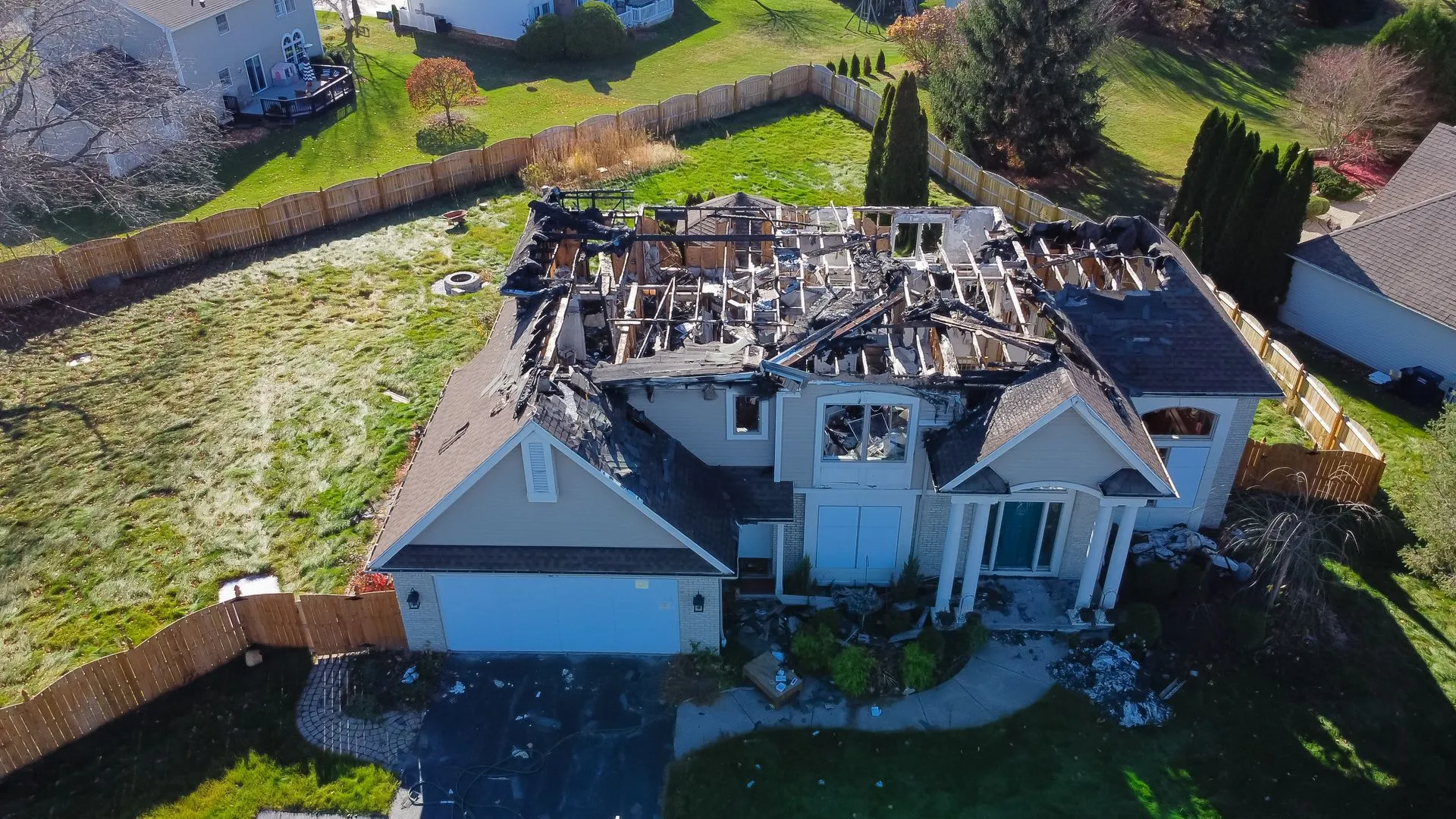
Yes. Hurricane damage affects homes, office buildings, retail centers, and industrial properties alike. Public adjusters are trained to handle both types, including complex commercial losses that involve business interruption alongside physical property damage.
If your Houston property sustained hurricane damage and your insurer's offer feels wrong, trust that instinct. Reach out to Nuclaim, Inc. Public Adjusters today for an independent assessment and find out what your claim is actually worth.