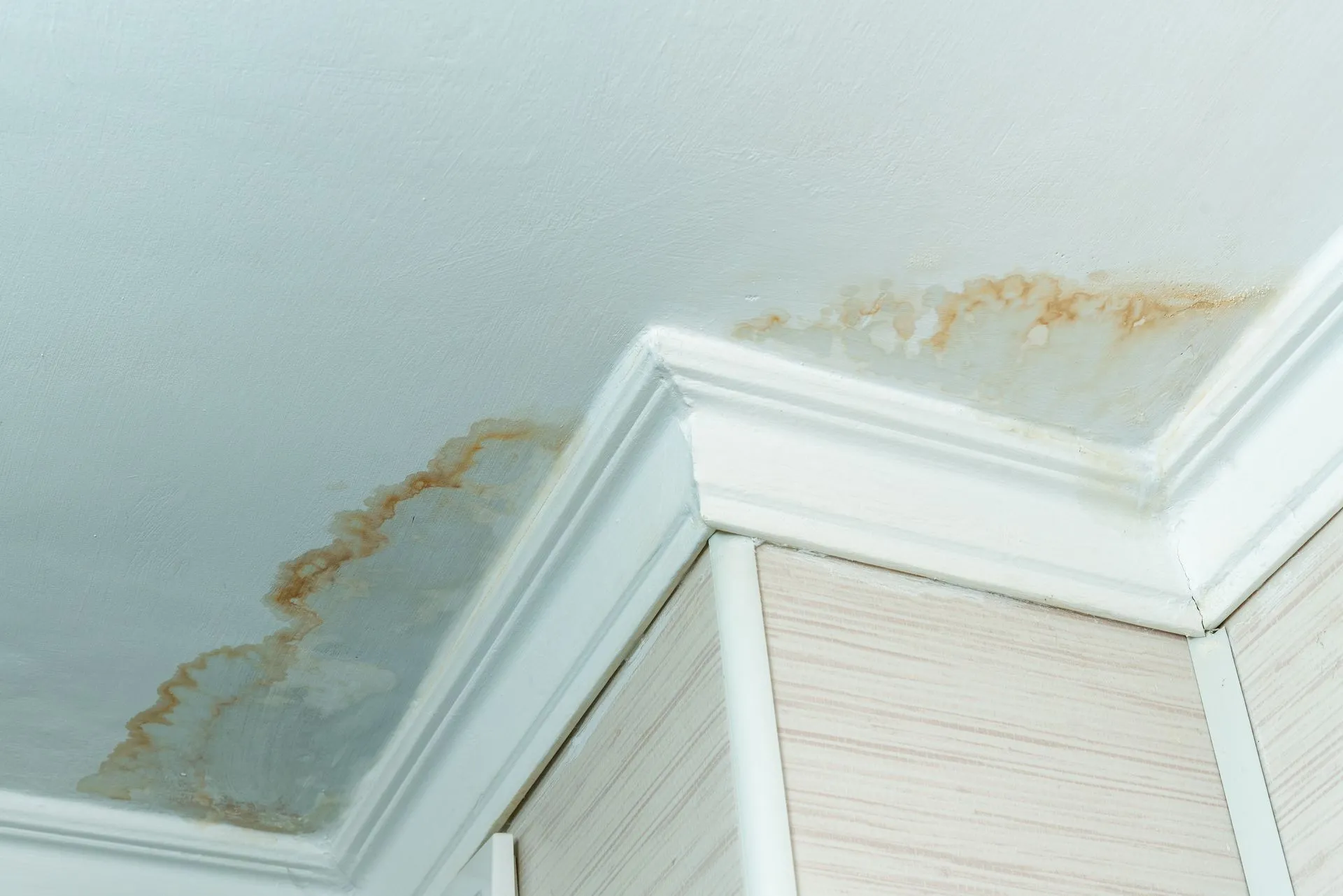

Water damage insurance claims in Houston are among the most frequently underpaid and disputed claims in Texas. Insurers routinely challenge the source, scope, and severity of water damage, leaving property owners with far less than they need to truly recover.
Houston's geography makes this problem especially acute. The region's flat terrain, aging drainage infrastructure, and relentless storm activity create conditions where water intrusion is not just common, it's nearly inevitable. If you've filed a water damage claim recently, or if you're bracing for the fall storm season still active through October, you need to understand how the claims process actually works and where insurers push back hardest.
Nuclaim, Inc. Public Adjusters works with Houston homeowners and commercial property managers to fight underpaid and denied water damage claims every day. The landscape in 2026 is tougher than it's ever been. Here's what you need to know.
Why Water Damage Claims Are Especially Vulnerable to Denial
Insurers have a toolkit of reasons to reduce or reject water damage insurance claims Houston property owners file.
These include:
- Source disputes: Carriers argue the water came from flooding (often excluded) rather than wind-driven rain or a burst pipe (typically covered).
- "Pre-existing condition" labels: Adjusters flag mold, staining, or deterioration as long-term neglect, not storm damage.
- Cosmetic damage classifications: Interior finishes ruined by water intrusion get downgraded to cosmetic damage, slashing the payout.
- Depreciation reductions: Policyholders who chose Actual Cash Value coverage instead of Replacement Cost Value receive deeply discounted settlements.
Knowing your insurer's playbook before a claim is filed is half the battle. Understanding it after a denial is where a public adjuster becomes essential.
The Numbers Behind Houston's Claims Problem
Houston currently holds the distinction of being the most expensive major metropolitan area in Texas for homeowners insurance. Standard annual premiums in 2026 routinely range from $3,500 to over $5,600, roughly 60% above the national average. Texas premiums have skyrocketed by 79% over the last six years.
Those rising costs are pushing property owners into dangerous coverage decisions. Many are selecting Actual Cash Value policies to lower monthly premiums. When a water damage event hits, they discover their settlement is significantly depreciated, and they're personally responsible for the gap.
The situation gets worse. State regulatory data shows nearly 47% of all homeowners insurance claims filed in Texas are closed without a single dollar paid to the policyholder. That figure includes a significant share of water damage claims that were denied outright or settled for zero after disputes over causation.
These aren't edge cases. This is the standard operating environment in 2026.
How Insurers Minimize Water Damage Payouts in Practice
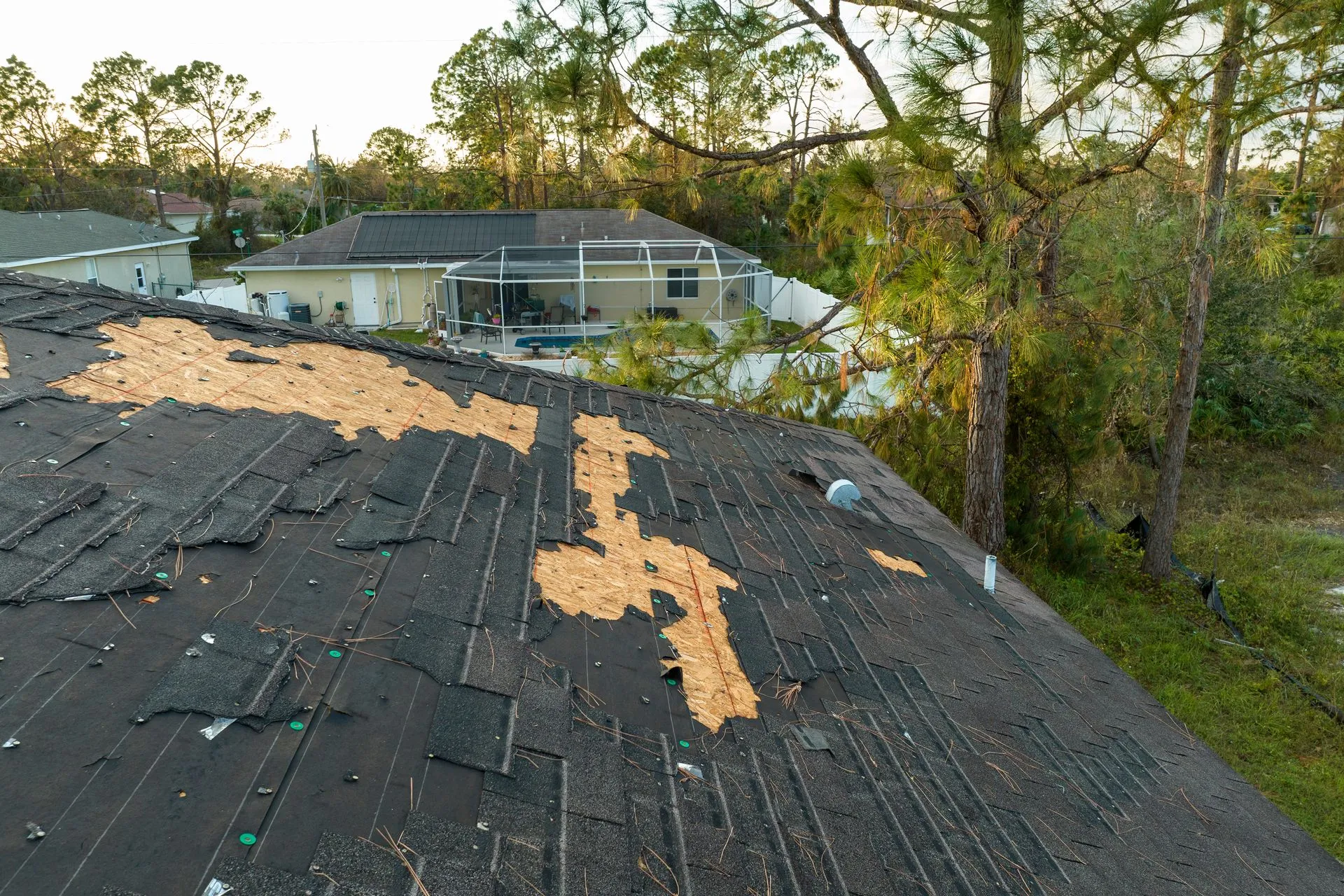
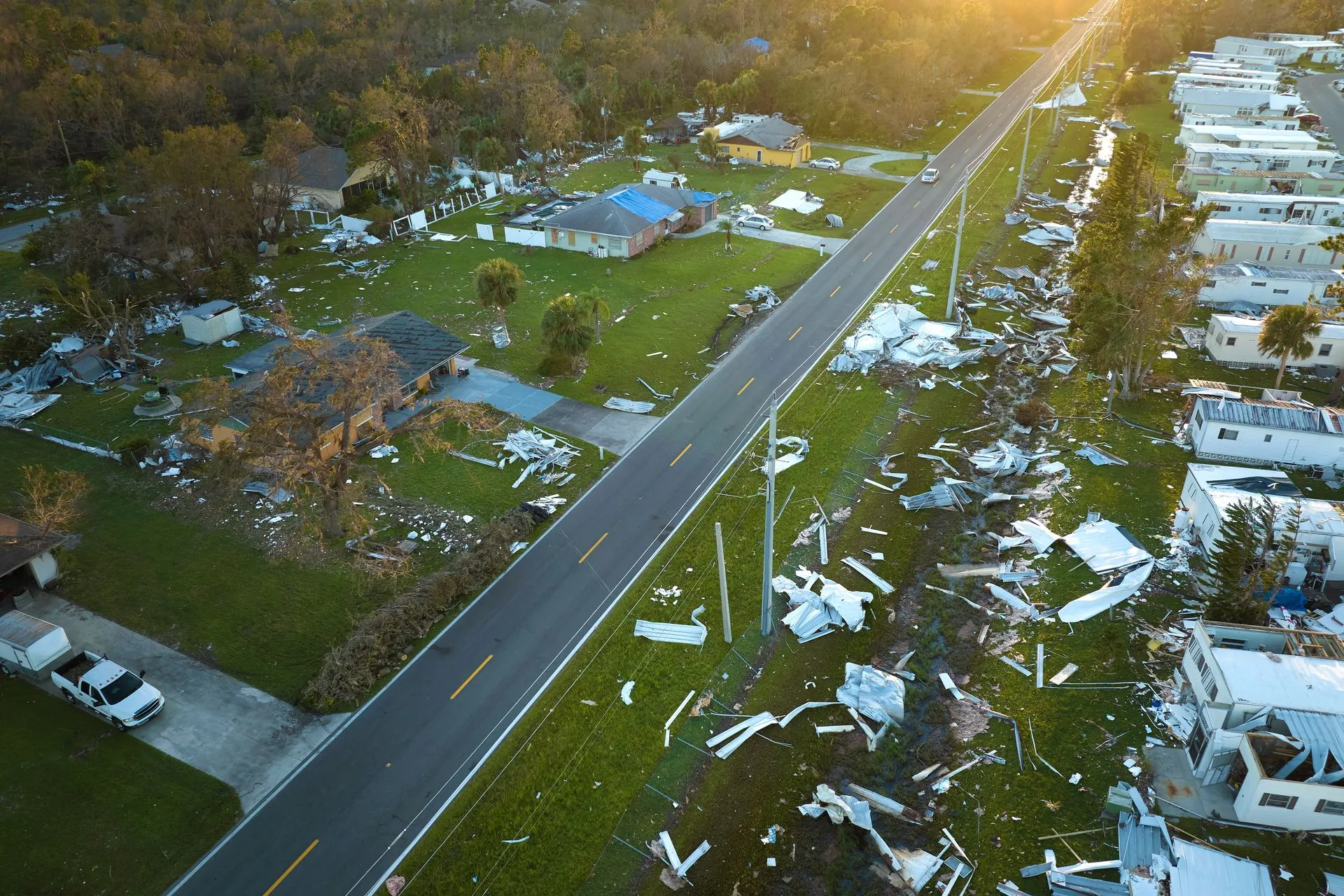
After major events like the spring and summer convective storms that battered the Houston area, carriers face massive claim volumes. The financial pressure on insurers is real. Reinsurance costs have surged, and carriers operating in coastal Harris County are now far more aggressive during the settlement process to protect their margins.
In practice, this means lower initial offers. It means biased third-party engineering reports that favor the insurer's position. It means vague policy language used to exclude covered damage, applied selectively when the claim amount is large.
Water damage is particularly vulnerable to this treatment because causation is genuinely complex. Was the ceiling collapse caused by wind-driven rain that breached the roof, or by a pre-existing leak? Insurers invest significant resources in arguing the latter. A public adjuster invests equivalent effort in proving the former.
What a Public Adjuster Does Differently
A public adjuster works exclusively for you, not for the insurance company. That distinction matters enormously when your claim is being evaluated.
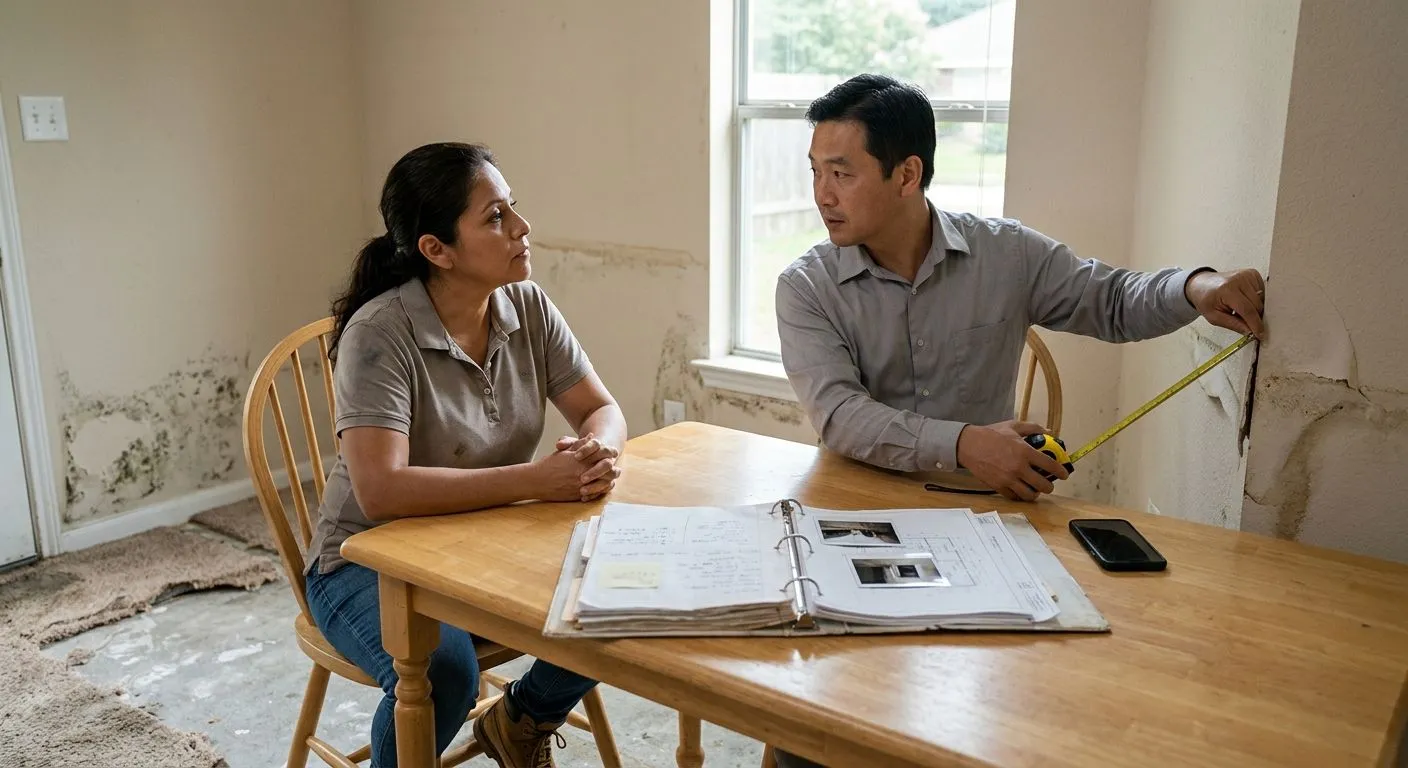
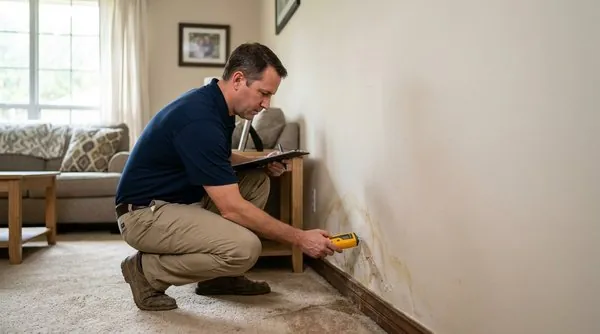
When you file a water damage claim, your insurer's adjuster comes to your property to assess the damage. That adjuster's findings directly affect what you're offered. A public adjuster conducts an independent, forensic inspection and prepares a competing assessment backed by detailed documentation.
This includes:
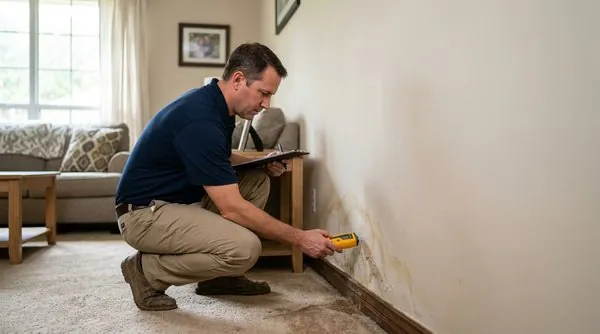
- Moisture mapping and thermal imaging to identify hidden water intrusion behind walls and under flooring.
- Itemized repair estimates using current contractor pricing, not depreciated values.
- Documentation of the cause and origin of damage to counter source-dispute tactics.
- Review of your full policy language to identify every coverage provision that applies.
- Written rebuttal to any denial or underpayment using the specific policy terms the insurer cited.
Texas law now requires insurers to automatically provide written disclosures explaining the specific reasons for any denial or underpayment. Your public adjuster can use those mandatory disclosures as direct leverage in the dispute process, holding the insurer strictly accountable to its own stated reasoning.
When to Call a Public Adjuster for Water Damage
Don't wait until a claim is denied to seek help. The best time to involve a public adjuster is before you accept any settlement offer, especially an initial one.
Call a public adjuster immediately if:
- Your claim was denied and you weren't given a clear written explanation.
- The settlement offer doesn't cover your full repair costs.
- Your insurer is calling structural damage "cosmetic."
- You're being told the damage is "pre-existing" without any supporting inspection.
- Your policy deductible is eating a significant portion of your payout.
Water damage compounds quickly. Mold can establish within 48 hours of saturation. The longer you wait to challenge an inadequate settlement, the more out-of-pocket costs accumulate on your end.
Frequently Asked Questions
Does homeowners insurance cover all types of water damage in Houston?
No. Most standard homeowners policies cover sudden and accidental water damage, such as burst pipes or wind-driven rain intrusion. Gradual leaks, flooding from external sources, and sewer backup typically require separate coverage. Disputes over which category your damage falls into are one of the most common causes of denied claims.
How long does a water damage claim typically take?
Timelines vary significantly. Simple claims may settle in a few weeks. Disputed claims involving causation arguments or underpayment negotiations can stretch for months. A public adjuster helps accelerate the process by submitting complete, defensible documentation from the start.
Can I reopen a water damage claim that was already denied?
Yes, in most cases. A denial is rarely the final word. Texas law and your policy's appraisal and dispute provisions provide pathways to challenge denials. Acting quickly is important because deadlines apply.
Does hiring a public adjuster guarantee a higher payout?
No ethical public adjuster will guarantee a specific outcome. What they guarantee is that your claim is fully documented, professionally presented, and vigorously advocated. Underpaid or denied claims that go through a public adjuster often result in significantly better recoveries than the initial offer.
What does a public adjuster charge for handling a water damage claim?
Public adjusters typically work on contingency, meaning they collect a percentage of the final settlement. There is no upfront fee. You pay only if they recover money for you.
If your water damage claim has been denied, underpaid, or simply feels wrong, you don't have to accept the insurer's first answer. Request a free claim evaluation from Nuclaim, Inc. today and find out exactly what your policy should be paying you.