
Your Insurance Claim Was Denied in Houston: Here Is What to Do Next
Receiving an insurance denial after a major storm or property disaster is one of the most frustrating experiences a Houston homeowner or commercial property owner can face. You paid your premiums faithfully, filed your claim promptly, and then received a letter telling you the damage is not covered. For many people, that letter feels like the end of the road.
It is not.
Nuclaim, Inc. Public Adjusters has seen this story play out thousands of times across the greater Houston area, and the most important thing you need to understand is this: an initial denial is a business decision made by your insurance carrier, not a legal or final verdict. With the right professional support, many denials can be successfully challenged and reversed.
Here is a practical guide to understanding why Houston claims get denied, what tactics insurers use, and exactly how to fight back.
The Numbers Behind Houston's Denial Problem
If your claim was denied, you are far from alone. Data compiled from the aftermath of severe Texas weather events reveals that approximately 68% of property insurance claims in Houston are initially denied. Insurers facing a surge of claims after large-scale disasters frequently deploy broad denial strategies to protect their bottom lines, pushing the financial burden back onto policyholders.
The problem goes even deeper. According to an independent analysis by Weiss Ratings and the American Policyholder Association, nearly 47% of all homeowner insurance claims filed in Texas are closed with zero payment. That rate has climbed from 35% in 2016, which means the trend is moving in the wrong direction for property owners.
At the same time, Texas homeowners are paying significantly more for coverage. According to data from the Federal Reserve Bank of Dallas, the median Texas homeowner paid 60% more for home insurance in 2024 compared to 2019, double the national average increase. You are paying premium prices for a policy that is increasingly difficult to collect on. That imbalance is exactly why having a professional advocate in your corner matters.
The Most Common Tactics Insurers Use to Deny Houston Storm Claims
Understanding why claims get denied is the first step toward challenging a denial effectively. Insurance carriers in Texas rely on several recurring arguments to close files without paying out:
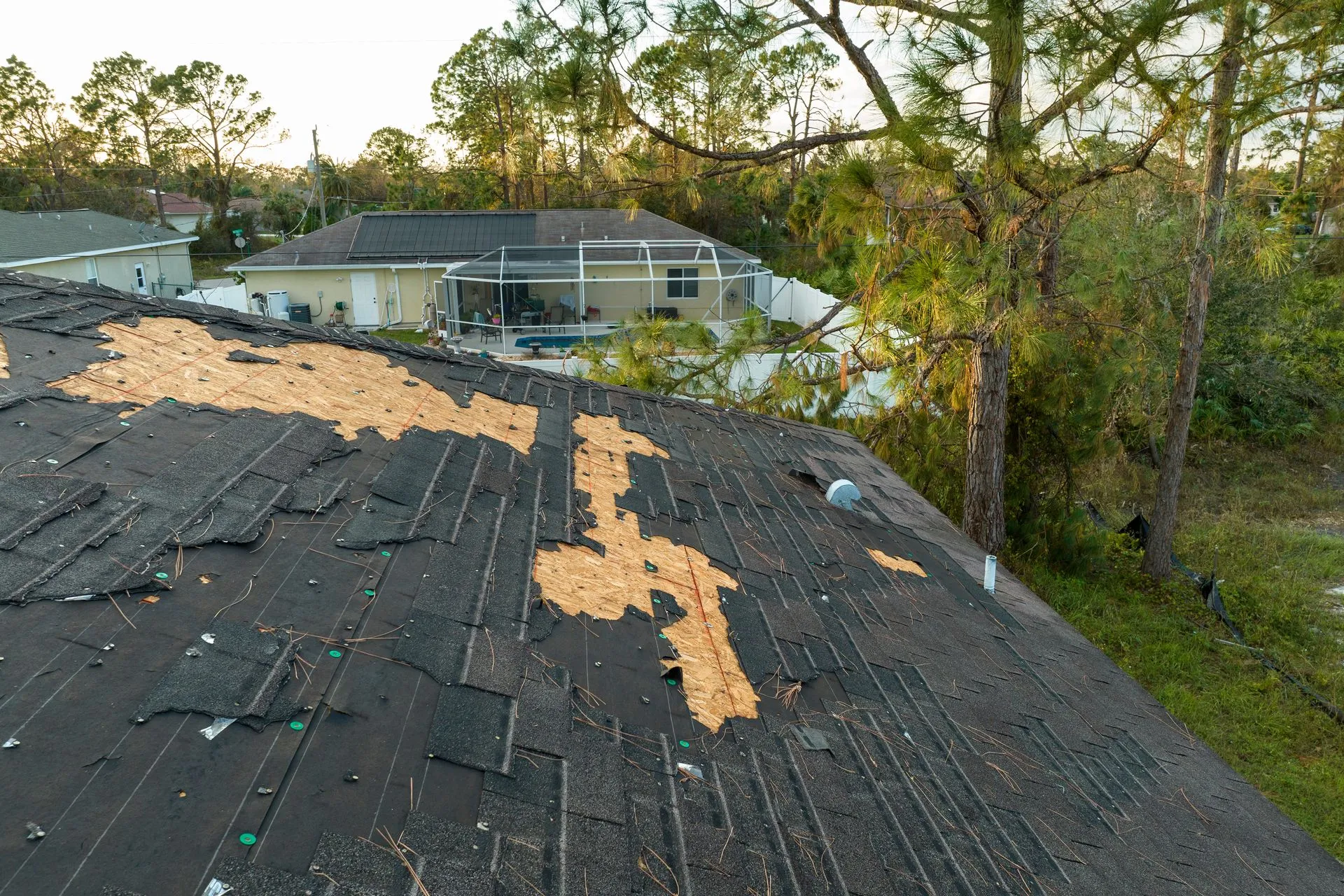
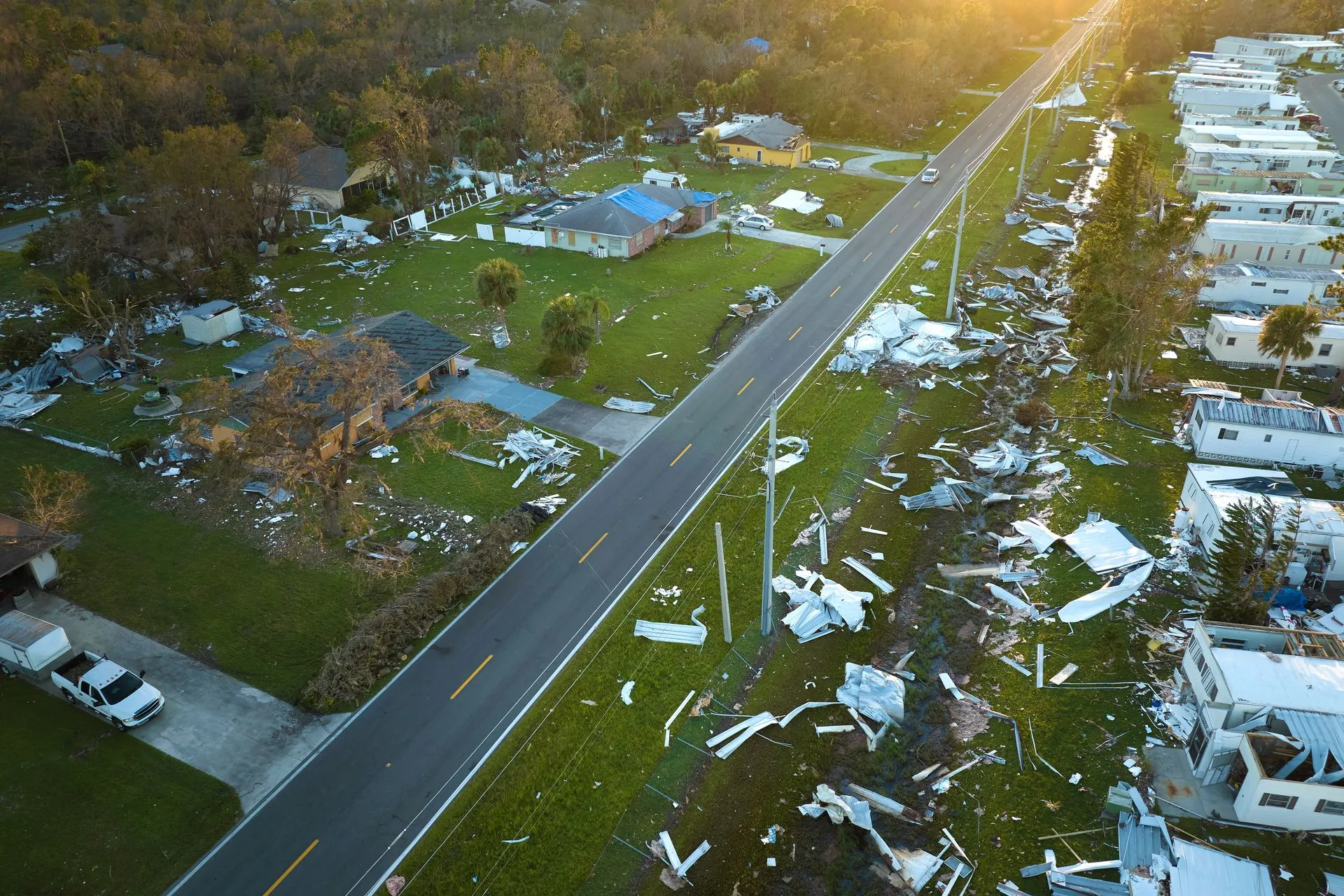
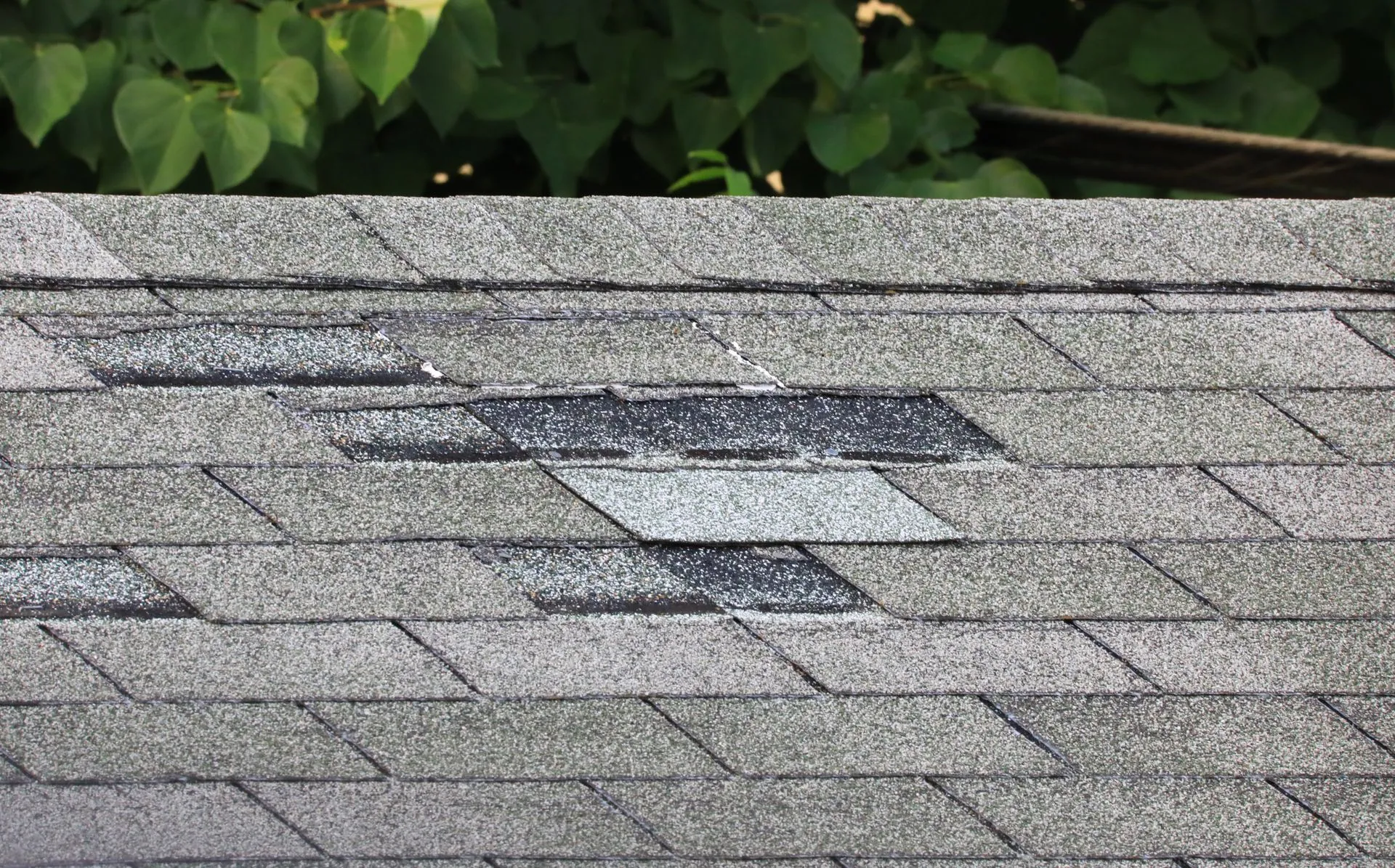
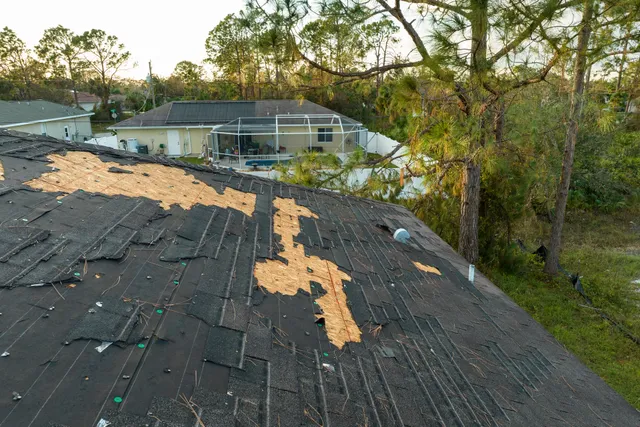
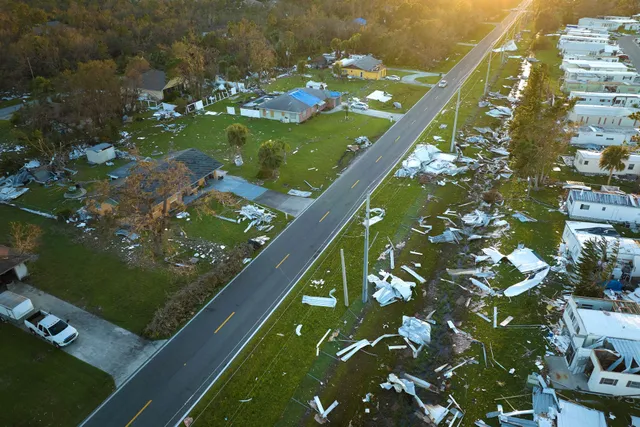
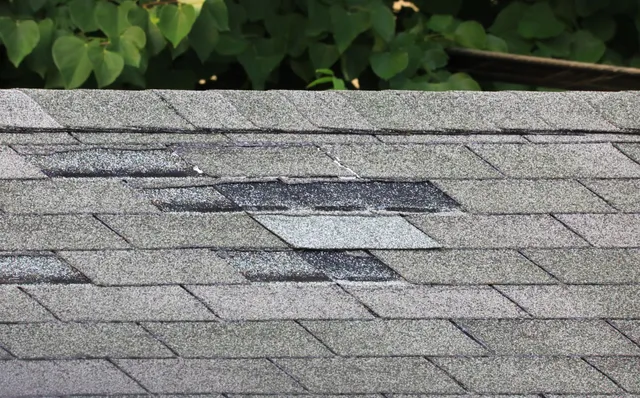
- "Pre-Existing Wear and Tear": This is the most common denial reason following a storm event. After hurricanes, derechoes, or tornadoes rip through Houston neighborhoods, carriers often argue that torn shingles, cracked siding, or damaged gutters were already deteriorating before the storm and therefore not covered. This argument conveniently ignores the fact that a Category 3 wind event accelerates and worsens any existing minor wear dramatically.
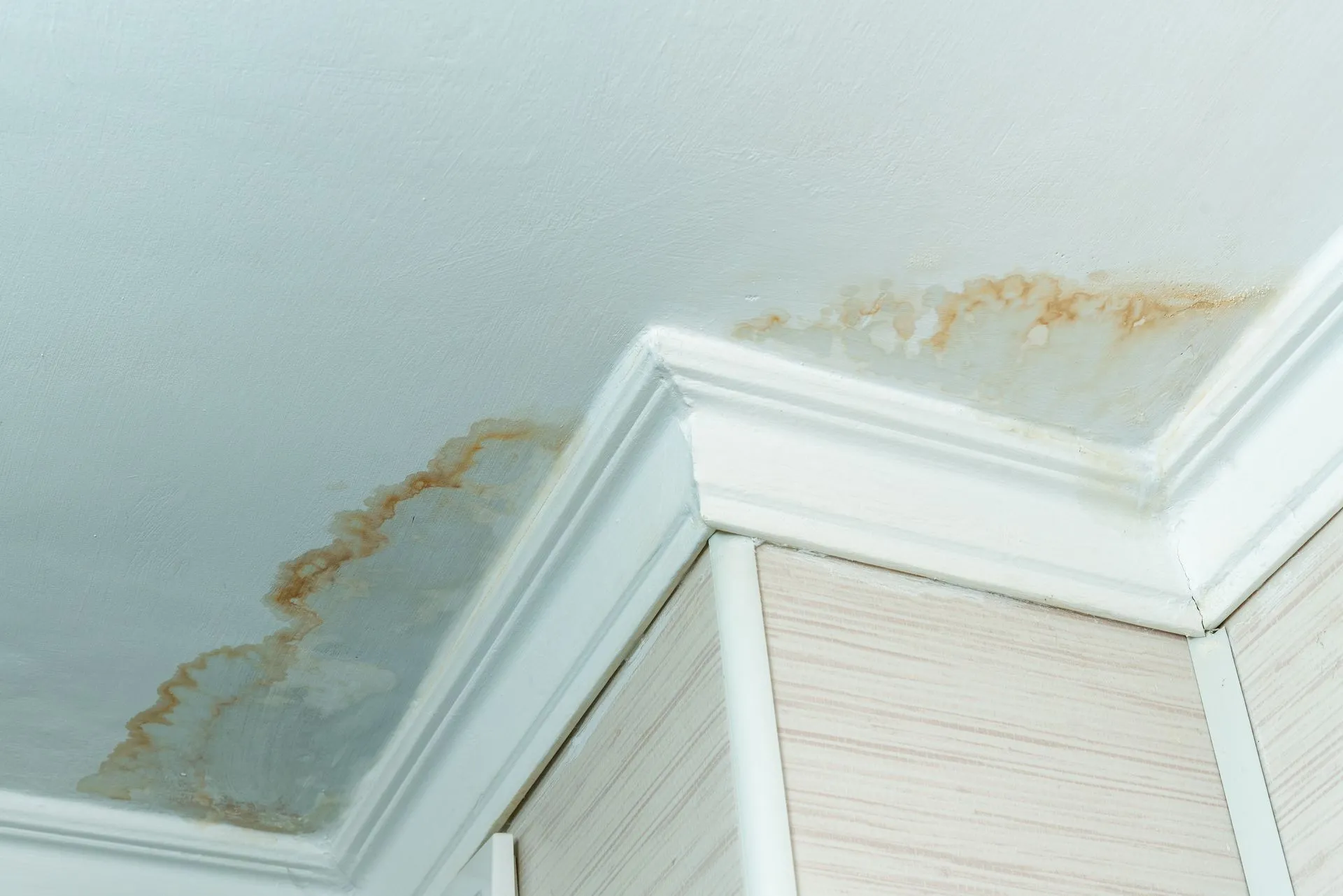
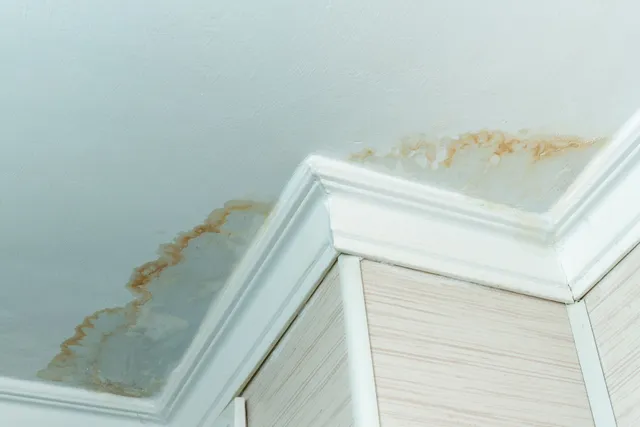
- "Disputed Causation": Insurers sometimes claim that the damage was not caused by a covered peril at all. They may argue that water intrusion came from poor maintenance rather than wind-driven rain, or that a structural crack existed before the weather event.
- "Insufficient Documentation": Claims can be closed quickly when the policyholder lacks detailed photographs, meteorological records, or professional damage assessments. Carriers take advantage of incomplete files to justify low or zero-dollar payouts.
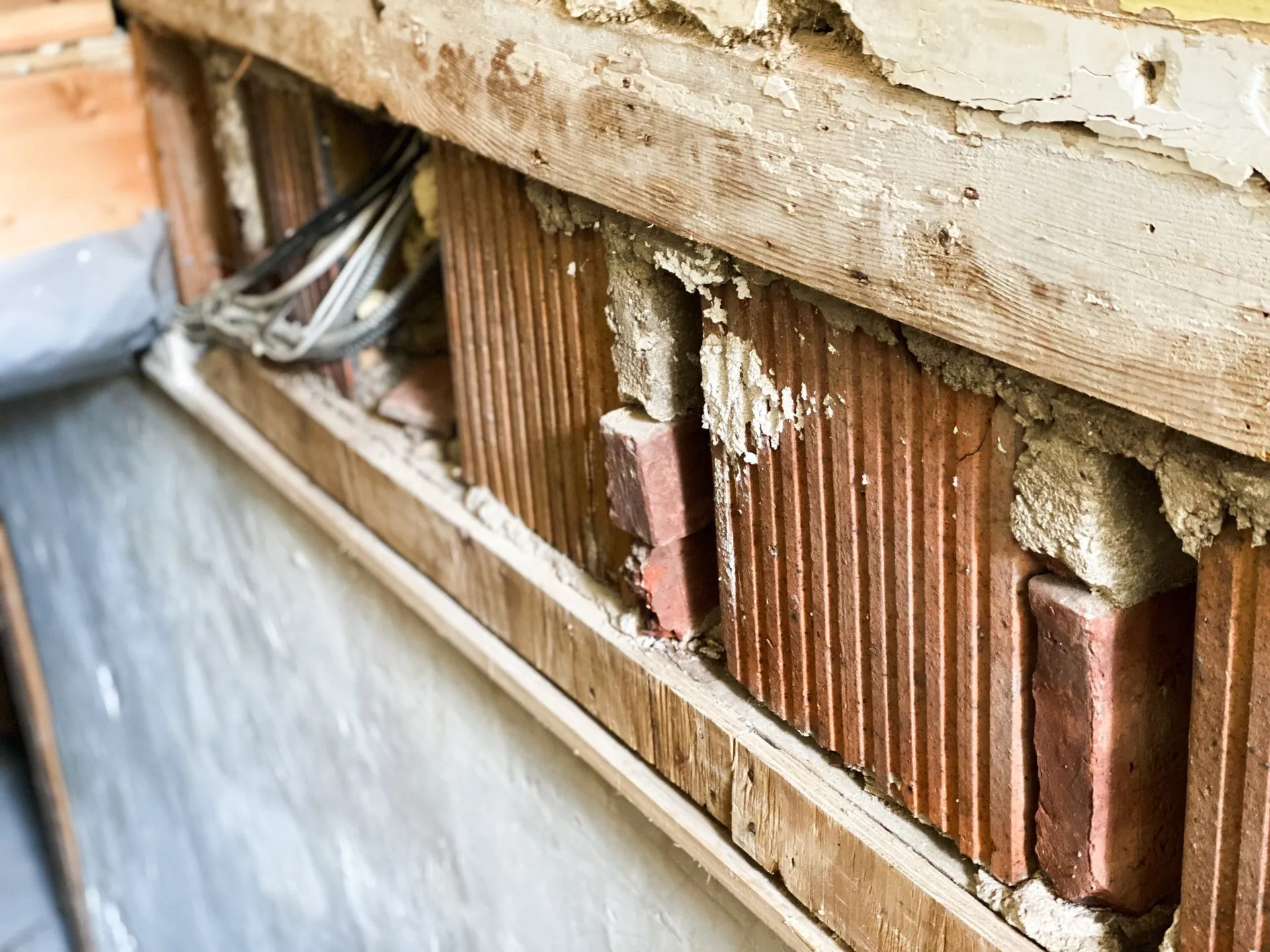
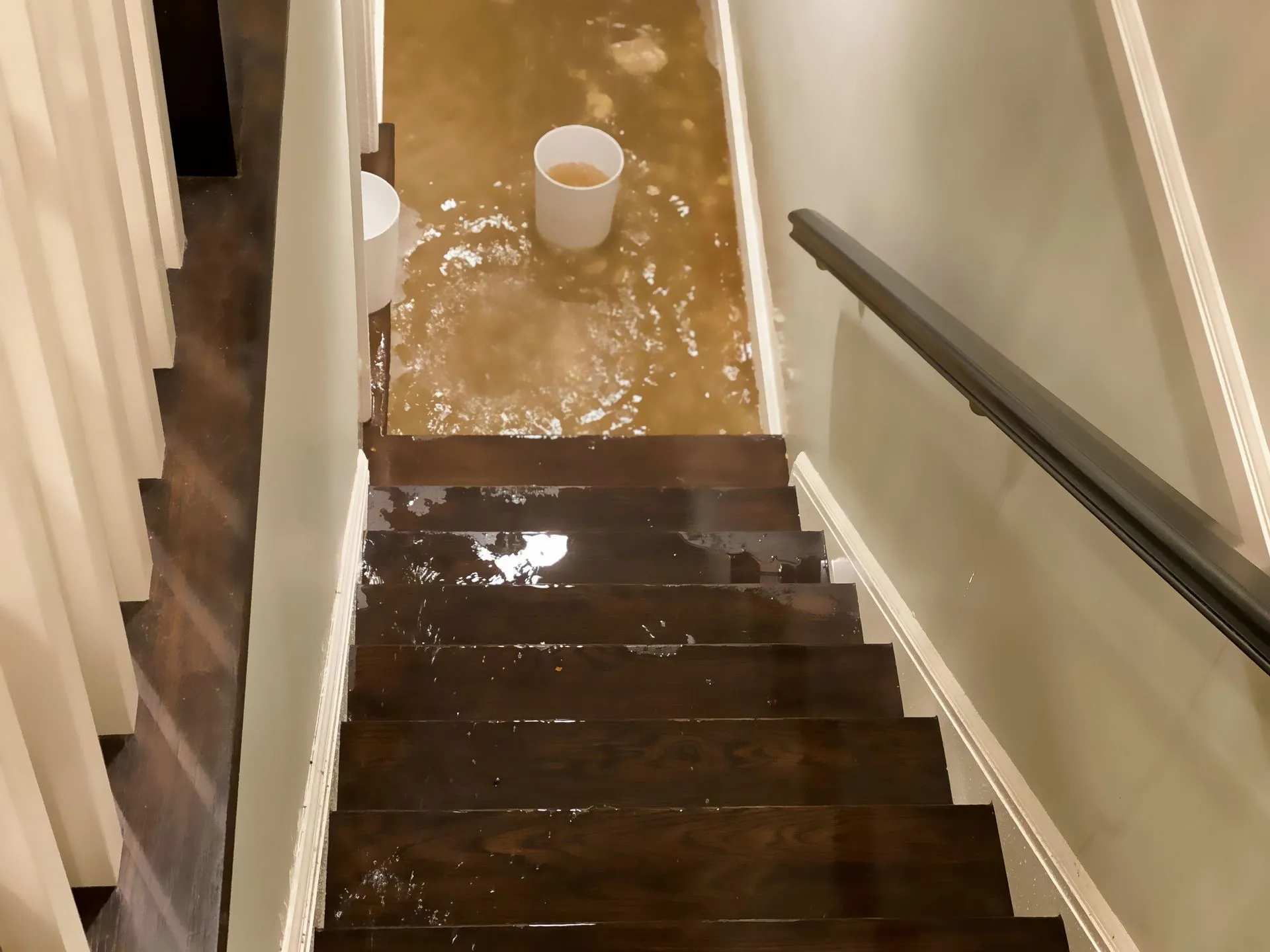
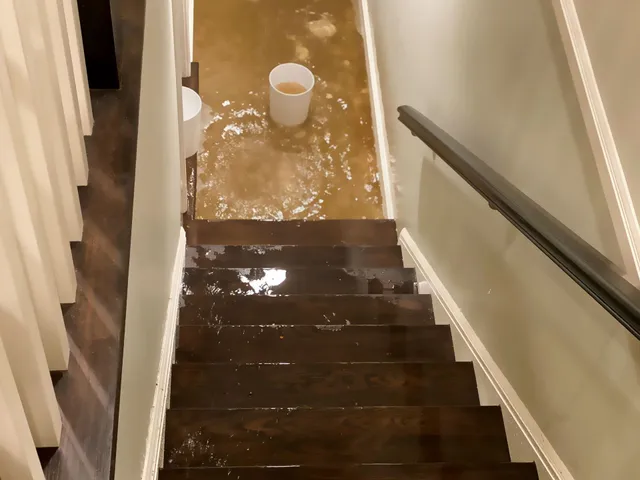
- Hidden and Delayed Damage: Perhaps the most financially dangerous scenario involves damage that develops over time. After major freeze events like the 2021 Texas winter disaster, hidden pipe leaks and structural issues surfaced for more than a year after the initial incident. Standard insurance adjusters, who are incentivized to close claims fast and cheaply, frequently miss this type of delayed damage entirely. If you have already signed a settlement, that later damage becomes your personal financial responsibility.
How a Public Adjuster Reverses a Denial
Filing a successful appeal against an insurance denial requires more than just disagreeing with the carrier's conclusion. It requires evidence, documentation, and an understanding of Texas insurance law and policy language.
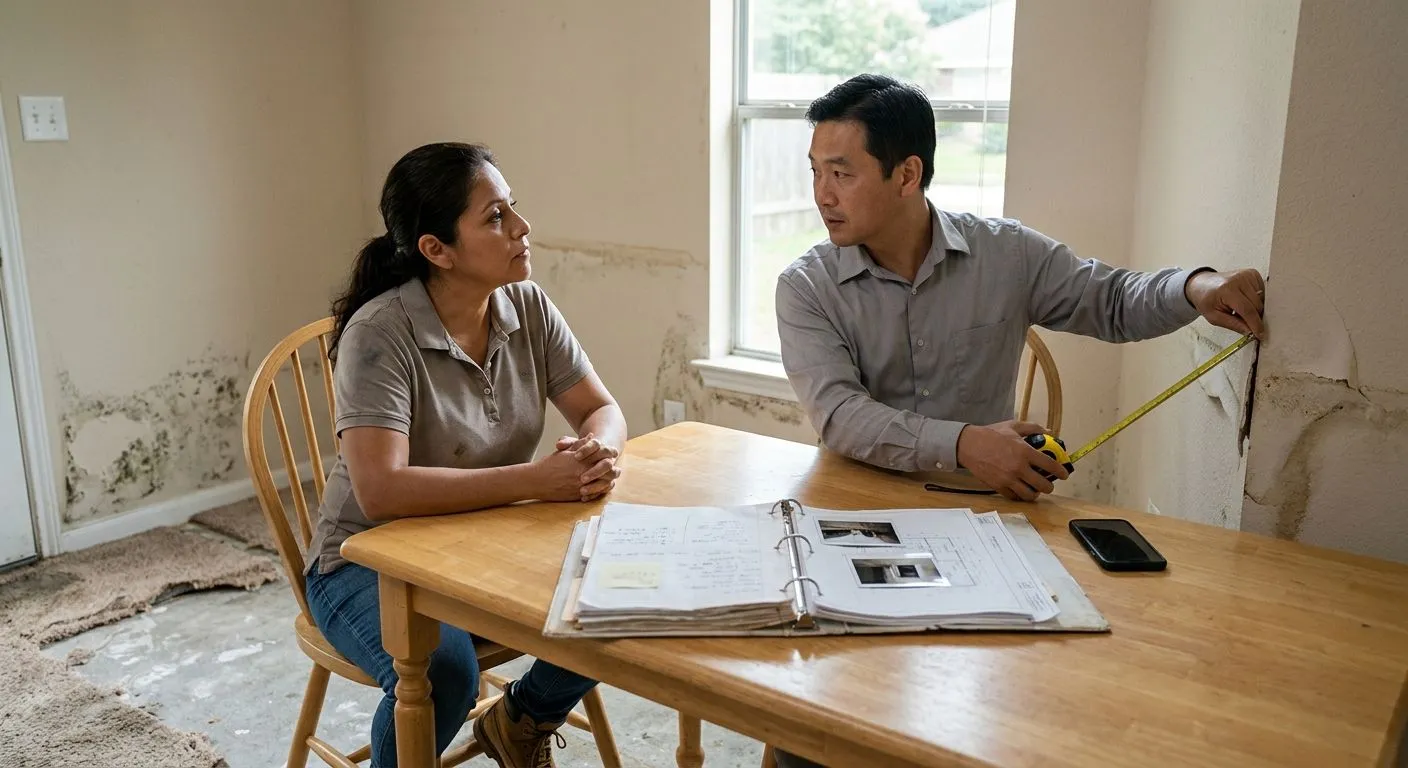
A licensed public adjuster works exclusively for you, not for the insurance company. When handling storm damage claims in Houston, a skilled public adjuster will:
- Pull local meteorological data to scientifically establish the severity and path of the storm event
- Conduct a thorough inspection to identify both visible and hidden damage before any settlement is signed
- Commission independent contractor estimates that reflect true market repair costs in the Houston area
- Build a comprehensive claim package that directly challenges the insurer's stated denial reasons
- Communicate and negotiate with the insurance company on your behalf throughout the entire process
This professional approach is especially critical for commercial property owners. Business interruption losses, equipment damage, and structural repairs involve complex valuations that require experienced documentation to maximize recovery. You can learn more about options for commercial property owners on the
commercial property insurance claims page.
Do Not Sign Anything Until You Get a Second Opinion
The single most costly mistake Houston property owners make is accepting a lowball offer or a denial simply because the process feels overwhelming. Insurance companies count on that exhaustion. Before you sign any settlement document or close any claim, consult with a public adjuster. There is no risk in a review, and the financial upside can be substantial.
FAQ
Can a public adjuster reopen a claim that was already closed with zero payment?
Yes. In many cases, a closed-without-payment claim can be reopened, especially if new evidence or documentation is presented. A public adjuster can evaluate your closed file and advise you on the best path to challenge the decision.
How long do I have to dispute an insurance claim denial in Texas?
Texas law provides specific deadlines for filing complaints and reopening claims, but the window can vary depending on your policy and the nature of the dispute. Acting quickly is always recommended. Consult a public adjuster as soon as possible after receiving a denial letter.
What does a public adjuster charge for their services?
Most public adjusters work on a contingency fee basis, meaning they only get paid if they recover money for you. Their fee is typically a percentage of the final settlement, so there is no upfront cost to the policyholder.
Is storm damage from a derecho or straight-line wind covered under a standard Houston homeowners policy?
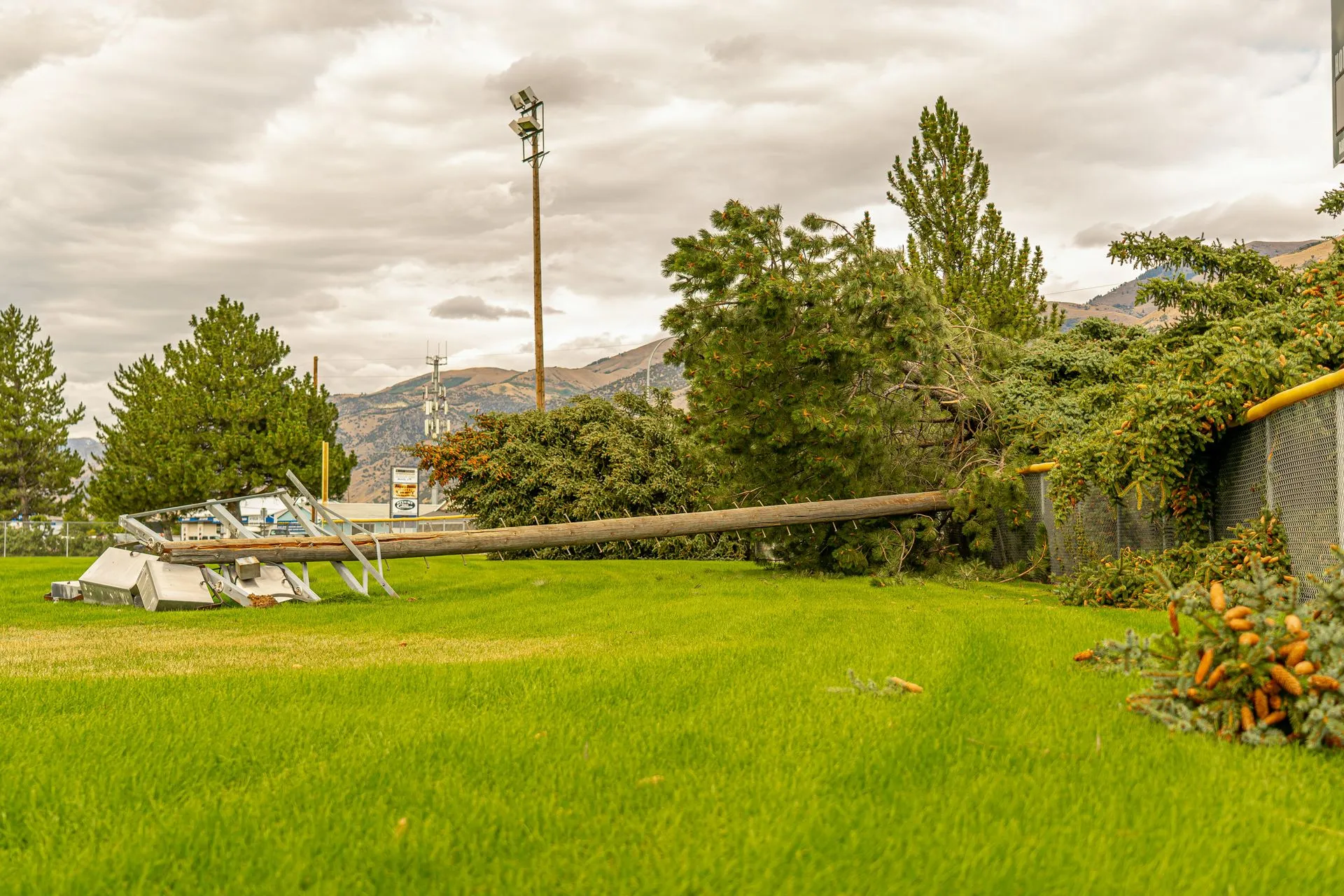
Generally yes, but insurers often attempt to reclassify the damage as pre-existing deterioration rather than storm-related. This is one of the most common denial tactics used after convective storm events in the Houston area. Proper documentation and meteorological evidence are essential to countering this argument.
What types of property damage does a public adjuster handle?
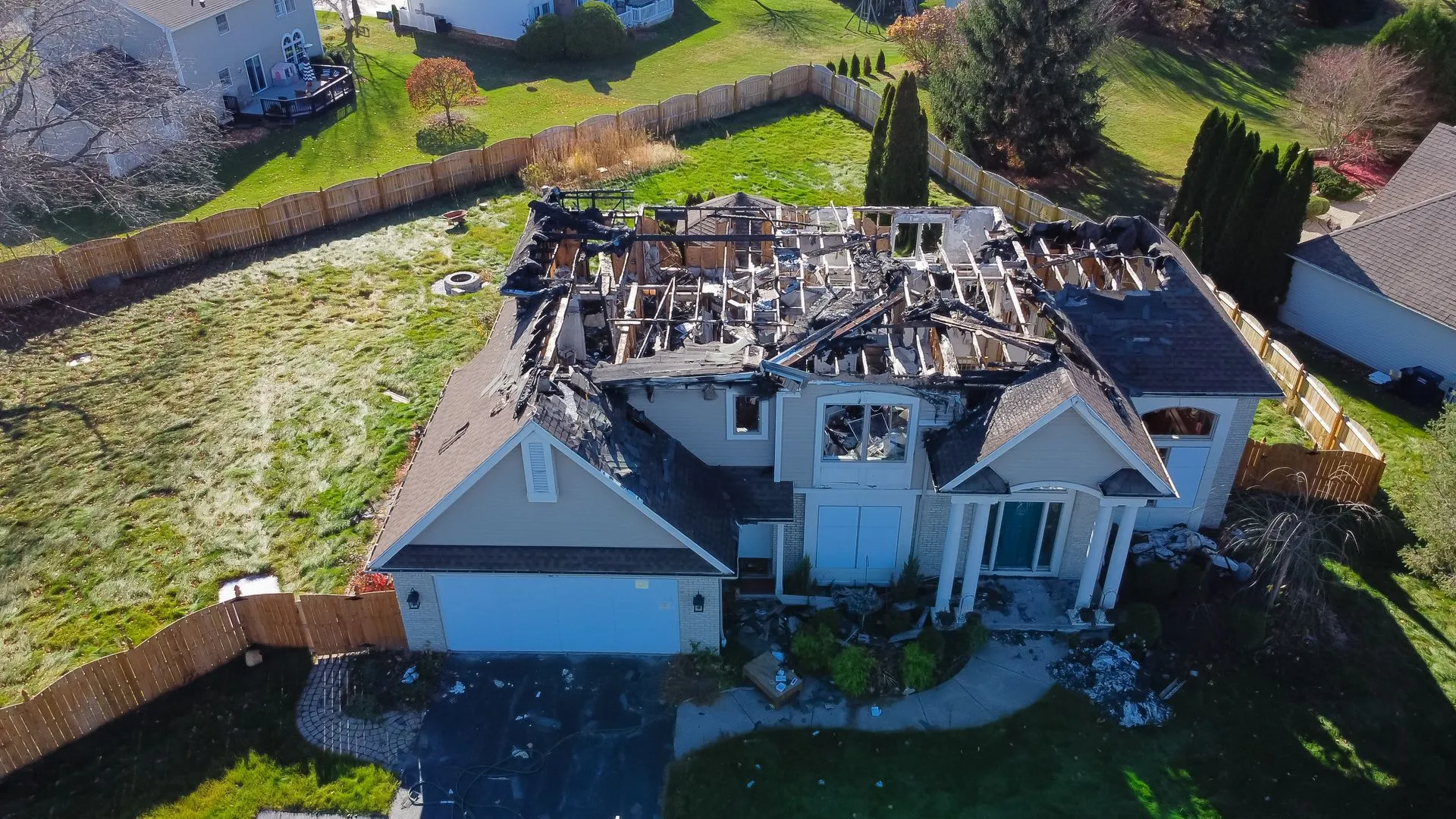
Public adjusters handle a wide range of claims including hurricane and wind damage, flood-related losses, fire and smoke damage, winter freeze damage, and commercial property losses. You can review the full scope of covered claim types on the property insurance FAQ page.
Ready to Fight Back? Get a Free Claim Review Today.
If your Houston property insurance claim was denied, underpaid, or closed without payment, you have options. The team at Nuclaim is ready to review your situation and help you understand what your policy actually owes you.
Get Your Free Claim Review Now